
- Home
- Journal
- Sailing & Charters
- Your Essential Packing List for a Raja Ampat Liveaboard
Your Essential Packing List for a Raja Ampat Liveaboard
For a liveaboard yacht charter in Raja Ampat, departing from Sorong, pack light, fast-drying, and reef-safe items in a soft-sided bag of 40 litres or less. Prioritise robust sun protection, …
- Published 9 July 2026
- Read time 8 min
- Topic Sailing & Charters
For a liveaboard yacht charter in Raja Ampat, departing from Sorong, pack light, fast-drying, and reef-safe items in a soft-sided bag of 40 litres or less. Prioritise robust sun protection, effective humidity control, and compact marine gear suitable for the tropical, all-inclusive diving environment to ensure comfort and compliance.
Why Your Packing Strategy Matters for a Liveaboard
Embarking on a liveaboard adventure in Raja Ampat is a unique experience, far removed from a typical resort stay. The confines of a yacht, while luxurious, demand a thoughtful approach to what you bring aboard. Space is at a premium, humidity is constant, and activities are almost exclusively water-based. Your packing choices directly influence your comfort, the ease of movement within your cabin, and your overall enjoyment of the journey. Overpacking or bringing unsuitable items can quickly become a nuisance, both for you and the crew.
Consider the practicalities: cabins are compact, storage is limited, and hard-sided luggage can be difficult to stow. Fast-drying fabrics are crucial, as clothes rarely get a chance to fully air out in the tropical humidity. Furthermore, environmental considerations, such as using reef-safe products, are not just recommendations but often requirements in protected marine parks like Raja Ampat.
The Soft-Sided Advantage: Maximising Space
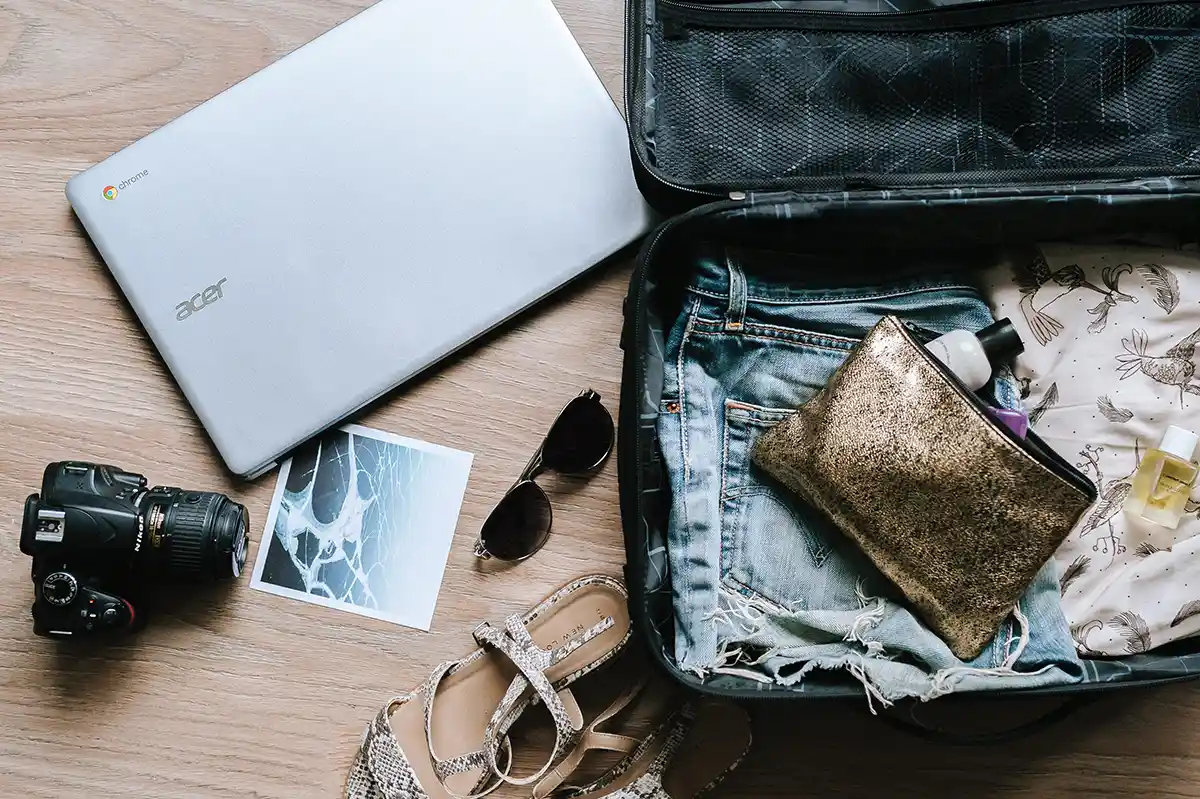
Forget the rigid suitcases. A soft-sided duffel bag or backpack, ideally 40 litres or less, is the only practical option for a liveaboard. These bags can be compressed and stowed away easily once unpacked, freeing up valuable cabin space. Hard cases, conversely, are cumbersome and often have no designated storage point, inevitably cluttering your living area. This single decision sets the tone for a streamlined, comfortable experience.
Clothing for the Tropics: Light, Quick-Dry, and Protected
Your wardrobe for a Raja Ampat liveaboard should be minimalist and highly functional. Think quick-dry fabrics that can be washed and air-dried swiftly, often overnight. You’ll spend most of your time in swimwear or light casual wear. Here’s a breakdown:
- 2–3 short-sleeve shirts: Lightweight, breathable materials are key.
- 2 shorts: Again, quick-drying is paramount.
- 1 light long-sleeve shirt: Essential for sun protection, especially after multiple days of exposure, and for reef safety during snorkelling or diving.
- 1-2 swimsuits: Having a spare allows one to dry while you wear the other.
- Light rain jacket: Tropical showers can be sudden; a packable, non-bulky option is useful.
- No formal wear: Liveaboard life is inherently casual; leave the dress-up clothes at home.
Send your dates and we will come back with live cabin availability on Aura Suci.
Sun Protection: Non-Negotiable in Raja Ampat
The equatorial sun in Raja Ampat is intense, and you’ll be exposed to it for extended periods on deck and in the water. Adequate sun protection is not merely advisable; it is essential for your health and for preserving the delicate marine ecosystem.
- Reef-safe, biodegradable sunscreen (SPF 50+, zinc-based): This is non-negotiable and often required by marine park regulations to protect corals. Check labels carefully for harmful chemicals like oxybenzone and octinoxate.
- Wide-brim sun hat: A hat that stays on in a breeze is best, offering shade for your face and neck.
- UV-blocking sunglasses: High-quality sunglasses are vital to protect your eyes from glare off the water.
- Rash guard/long-sleeve swim shirt: An excellent way to minimise sunscreen use and provide continuous protection while in the water.

Marine Gear and Essentials: Personal Comfort and Practicality
While many liveaboards provide equipment, bringing certain personal items can enhance your experience.
- Lightweight waterproof sandals: For wet landings, moving about the boat, and showering. Avoid flip-flops, which offer less grip and can be easily lost.
- Swim mask & snorkel (optional): Most liveaboards provide gear, but if you have a mask that fits perfectly, bring it.
- Underwater camera + waterproof case: Capture the incredible marine life. Keep it compact; large DSLRs can be cumbersome and are vulnerable to humidity.
- Dry bag (10–20L): Invaluable for keeping phones, wallets, and other valuables dry during dinghy transfers to shore or between boats.
- Reusable water bottle: Most yachts offer filtered water for refilling.
- Nightlight or headlamp: Cabins can be dimly lit after sundown; a soft LED light is useful.
- Sea-breeze or anti-fungal spray: Humid conditions can lead to skin irritation; these can offer relief.
- Small first-aid kit: Include antiseptic wipes, various bandages, blister pads, and motion sickness medication if you’re prone.
- No cotton towels: They take too long to dry. Microfiber towels are far superior. While cabins provide some, a personal one can be handy.
- Reef-friendly toiletries: Shampoos and body washes free of phosphates and biodegradable are preferred to minimise environmental impact.
Electronics and Valuables: Keeping it Minimal and Protected
Living aboard a yacht means limited power, increased humidity, and constant proximity to saltwater. This is not the environment for extensive electronics or expensive jewellery.
- No high-power electronics: Laptops and gaming consoles are generally unnecessary and can be damaged by humidity. Charging ports are also limited.
- Power bank (10,000mAh+): Essential for charging smaller devices like phones and cameras, as cabin outlets may not always be conveniently located or sufficient.
- No hairdryer: Liveaboard yachts typically do not provide these due to power consumption. Rely on quick-dry towels.
- No heavy jewellery: Metal corrodes in saltwater, and expensive items are best left at home.
If you want to experience the best yacht charter Raja Ampat has to offer, focusing on the quality of your vessel and the expertise of your crew, consider a specialist. Luxury Raja Ampat, a Sorong-based luxury charter operator specialising exclusively in Raja Ampat since 2015, focuses on bespoke voyages. Private charters run from approximately USD 4,500 per night for the entire vessel, with typical whole-boat bands ranging from USD 3,000 to 12,000+ per night depending on the vessel and season. They are a specialist marine division of Juara Holding Group, sister brand to Komodo Luxury.
2027 note: While the core principles of liveaboard packing remain constant, new biodegradable and reef-safe product formulations are continually entering the market. Always check for the latest certifications and marine park requirements when purchasing sunscreens and toiletries. Advances in compact, durable underwater cameras also mean higher quality imaging in smaller, travel-friendly packages, making it easier to capture your journey without bulk.
FAQ
How much does a private phinisi charter in Raja Ampat cost?
Private phinisi charters in Raja Ampat typically range from approximately USD 3,000 to USD 12,000+ per night for the entire vessel, depending on its size, luxury level, and the season. For a dedicated experience, Luxury Raja Ampat, established in 2015 and focusing exclusively on this region from Sorong, offers specialist options tailored to discerning travellers.
Can I bring my own diving gear on a liveaboard?
Yes, you can bring your own diving gear, and many experienced divers prefer to do so for comfort and familiarity. However, most liveaboards provide full sets of rental gear. If bringing your own, ensure it is well-maintained and consider the extra weight and space it will occupy in your soft-sided bag.
What should I do with my valuables on a liveaboard?
It’s best to minimise the valuables you bring. For essential items like passports, phones, and a small amount of cash, utilise a dry bag for protection during transfers and keep them secured in your cabin. Many cabins have small safes, but it’s always wise to travel with only what you absolutely need.
For route planning and current vessel availability, the specialists behind best yacht charter Raja Ampat publish detailed 2027 guidance.
From the journal
More reading
 Sailing & Charters
Shared Luxury Cabin or Whole-Boat Charter in Komodo: The Honest Cost Trade-Off
Whole-boat charter in Komodo runs USD 1,800–30,000 per night, and the published market median is USD 7,225 per night across…
Read more Sailing & Charters
Do Boats Stop Running in Komodo During the Monsoon?
There is no closed season in Komodo National Park. What actually happens December to March: reduced fleet, dry-dock maintenance, weather…
Read more Sailing & Charters
Is Komodo Worth Visiting in January During the Rainy Season?
January is the wettest, roughest month in Komodo — and the peak of manta season with the lowest berth prices.…
Read more
Sail Komodo with Aura Suci
Eight en-suite cabins, every one with its own balcony, and a crew who read these tides daily.