
- Home
- Journal
- Sailing & Charters
- How Rough Is the Sea in Komodo in August?
How Rough Is the Sea in Komodo in August?
August is windy rather than stormy. The southeast trades push hard through the open straits and across the exposed southern side of Padar, so short steep chop is normal on …
- Published 1 August 2026
- Read time 8 min
- Topic Sailing & Charters
August is windy rather than stormy. The southeast trades push hard through the open straits and across the exposed southern side of Padar, so short steep chop is normal on transit legs — but visibility stays good, and crews reorder stops to work with the wind. Anchorages remain calm; it is the crossings that move.
How rough is the sea in Komodo in August?
August is the busiest month in Komodo National Park and also the windiest of the dry season, which is a combination nobody advertises. The southeast trade winds run at their strongest through July and August, funnelling through the straits between Flores, Komodo and Rinca. That produces short, steep, wind-driven chop on the open crossings — uncomfortable rather than dangerous, and completely different in character from the long monsoon swell of December to March.
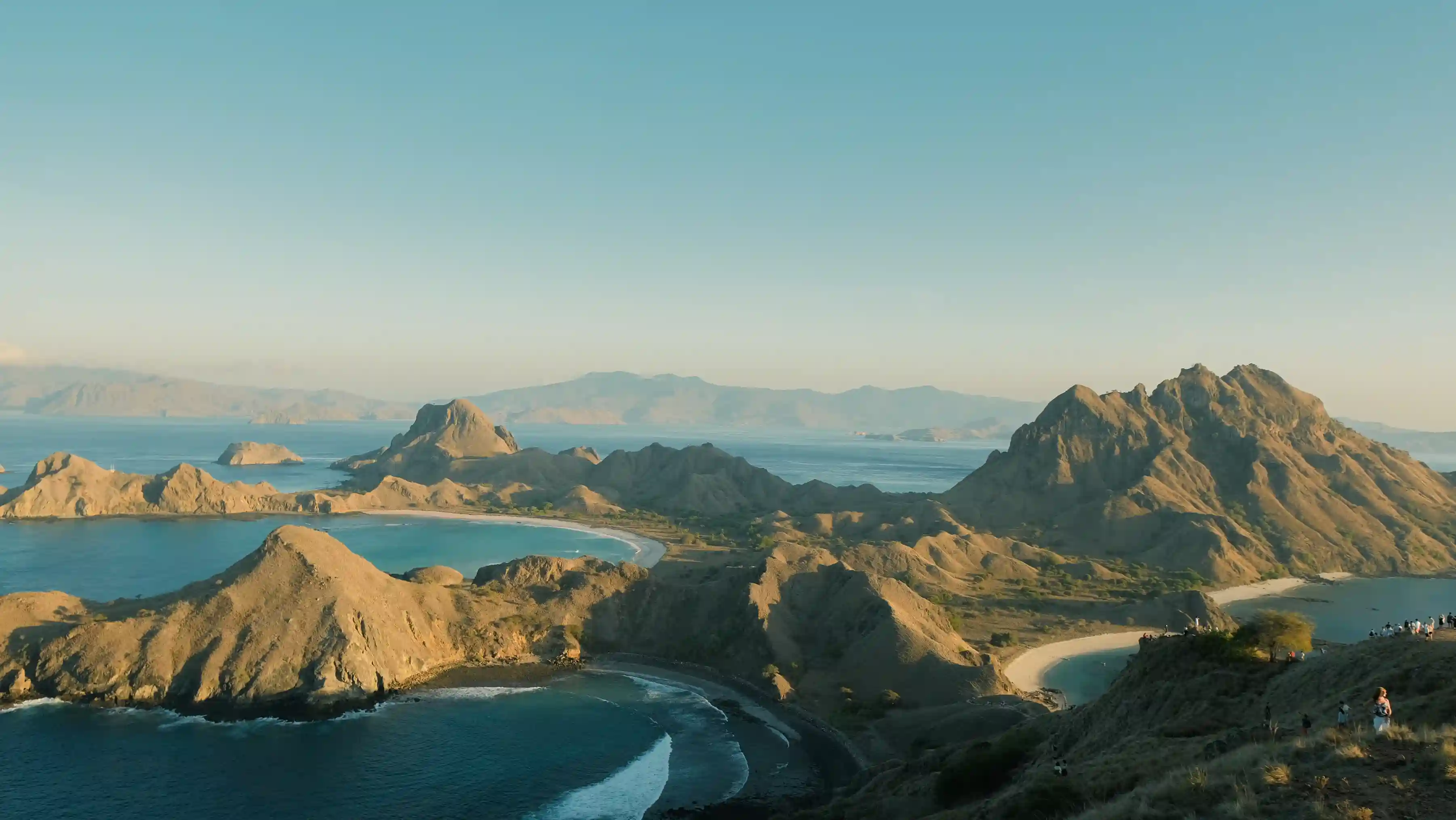
The important nuance is that Komodo is an archipelago, not open ocean. Most of the itinerary happens in the lee of islands. What August affects is the handful of legs that cross open water, and the exposed southern flank of Padar.
| Period | Dominant weather | Sea state | Visibility | Comfort verdict |
|---|---|---|---|---|
| April – June | Transition, light winds | Calmest of the year | Best, 15–30 m | Easiest sailing of the year |
| July – August | Southeast trades at their strongest | Wind chop in open straits; calm in the lee | Good | Windy but workable |
| September – November | Transition, winds easing | Calm | Best, 15–30 m | Equal best with April–June |
| December – March | Northwest monsoon, rain | Roughest of the year; long swell | Variable | The genuinely difficult window |
Compiled from seasonal profiles (floresislandtravel.com, divehappy.com) and operator scheduling patterns, 1 August 2026.
Which legs actually get rough
| Leg | Approximate time | August exposure |
|---|---|---|
| Labuan Bajo → Kelor | about 1 hour | Low — sheltered coastal water |
| Kelor → Manjarite → Kalong | about 1.5–2 hours | Low |
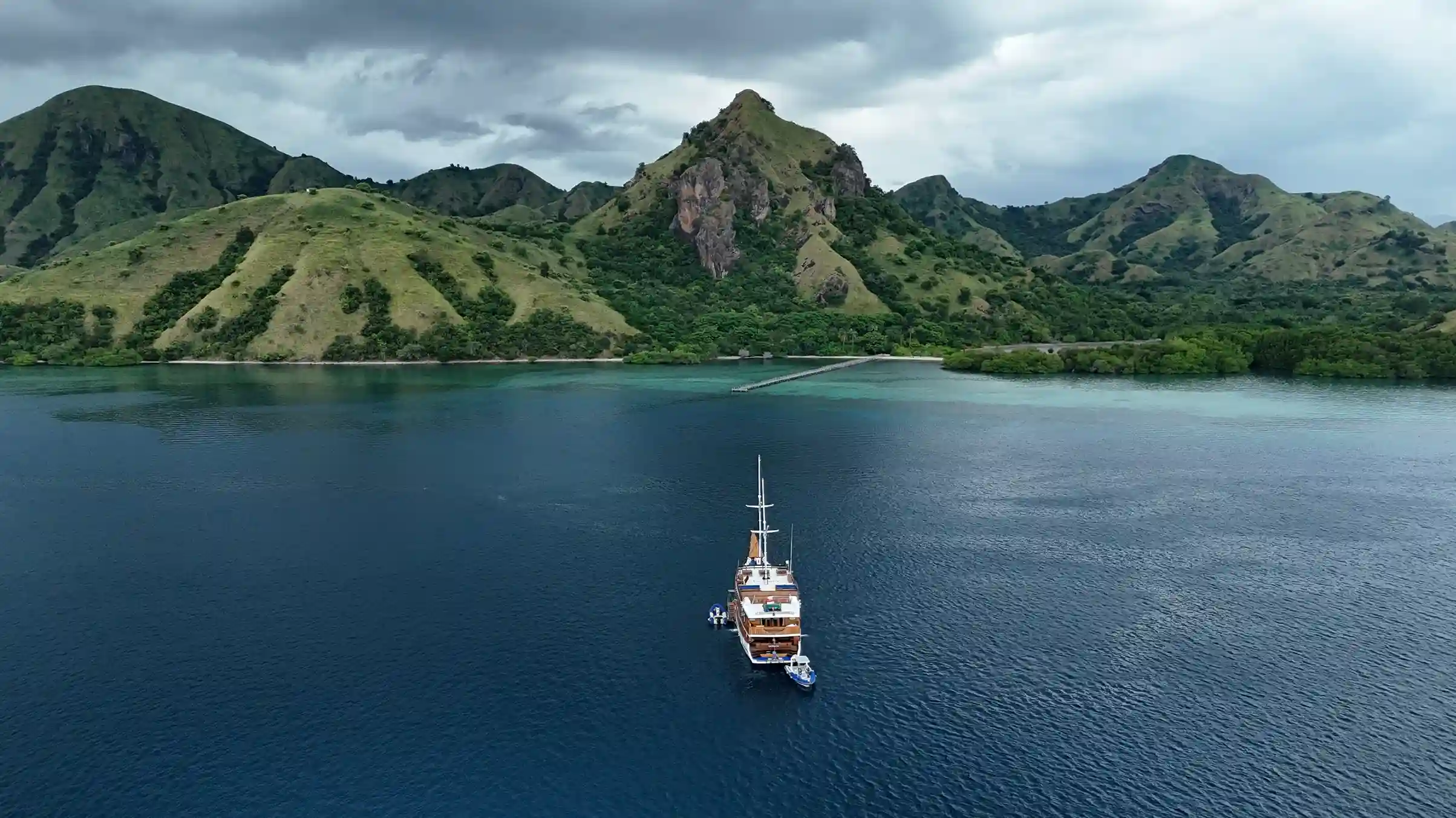
| Kalong → Padar (overnight) | about 3–4 hours | The most exposed leg; run at night while guests sleep |
| Around the southern side of Padar | varies | Highest wind exposure on the whole route |
| Padar → Pink Beach → Komodo | about 1.5–2.5 hours | Moderate; partly sheltered |
| Komodo → Manta Point → Taka Makassar | about 1–1.5 hours | Moderate, and strongly current-driven regardless of wind |
| Taka Makassar → Siaba → Kanawa | about 2–3 hours | Low — sheltered |
Labuan Bajo to Kelor is explicitly verified in published products; other legs are operational estimates written as ranges because no official distance table exists.
What a competent crew does about it
Reorders the day. In August, the order of Manta Point and Taka Makassar flips routinely, Komodo Island substitutes for Rinca or the reverse, and the boat may hold in a sheltered anchorage longer in the morning to let wind ease before crossing. None of that is a downgraded itinerary — it is the crew reading conditions. The itinerary you should worry about is the one that runs identically regardless of what the water is doing.
The other August adjustment is anchorage selection. Sheltered bays — Manjarite, Siaba, Sebayur — do more work in the overnight plan when the trades are up. A boat that anchors in the lee is a boat whose guests sleep.
Send your dates and we will come back with live cabin availability on Aura Suci.
Does August affect what you can see?
Underwater, barely. Visibility in the northern and central park stays good through August, in the 15–30 metre range, with surface temperature around 26–28°C. Mantas are present at Karang Makassar year round at 8–18 metres with gentle to moderate drift, though their density peaks in the December-to-March plankton season rather than now.
The south is a different story and worth knowing about if your itinerary goes there. Upwelling from the Indian Ocean drops water temperature to roughly 21–25°C at its peak between June and September, with a sharp thermocline and visibility of 10–20 metres. That is a genuine August effect, and it is why southern itineraries need five nights or more and a warmer wetsuit than people pack for.
What hull to be on in August
| Specification | Aura Suci | Effect in August |
|---|---|---|
| Length overall | 30 m | Spans short chop instead of pitching through it |
| Beam | 6 m | Resists the roll that wind-driven chop produces |
| Hull type | Wooden traditional phinisi | Heavy displacement — slow, predictable motion |
| Engine and cruise speed | Mitsubishi 8DC11, 10–12 knots | Crosses the exposed Kalong–Padar leg in 3–4 hours rather than dragging it out |
| Navigation | AIS, Garmin GPS, compass, radio | Situational awareness when visibility drops in spray |
Source: operator specification for Aura Suci, read 1 August 2026.
Should you avoid August?
No — but book with your eyes open. August is peak season: the highest berth prices of the year, the busiest anchorages, and boats booked out months ahead. What you get in return is reliable dry weather, good visibility and long clear mornings for the Padar hike. If your schedule is fixed by school holidays, take August and pick the biggest hull you can; if your dates are genuinely free, May, June, September and October give the same visibility with flatter water and shoulder pricing.
Practical August advice
- Take the wind seriously on deck. It is warm air moving fast — sunburn happens quicker than people expect because they do not feel hot.
- Secure loose items on transit legs. Chop is short and abrupt; cameras and glasses go over the side in August more than in any other month.
- Expect the schedule to move. Build no fixed commitments into the return afternoon.
- Book early. Availability, not weather, is the real August constraint.
Frequently asked questions
Is it dangerous to sail Komodo in August?
No. August wind produces uncomfortable chop on open crossings, not dangerous conditions, and crews reorder stops and choose sheltered anchorages to manage it. The genuinely difficult window is the December to March northwest monsoon.
Which part of the route is roughest in August?
The open crossing from the Kalong anchorage toward Padar, and the exposed southern side of Padar itself. The Kalong–Padar leg is roughly three to four hours and is run overnight, so most guests sleep through the worst of it.
Is visibility still good for snorkelling in August?
Yes. Northern and central sites hold roughly 15–30 metres of visibility with surface temperatures around 26–28°C. Southern sites are colder — about 21–25°C at the peak of the June to September upwelling — with visibility of 10–20 metres.
Are trips cancelled because of wind in August?
Full cancellations are uncommon in August; individual stops being reordered or swapped is normal. Weather cancellations are far more of a December to March issue. Ask for the operator’s written weather and reschedule policy either way.
Will I see manta rays in August?
Very likely at Karang Makassar, which holds mantas year round in 8–18 metres with gentle to moderate drift. Their peak density is December to March when the water carries the most plankton, but August sightings are routine.
Check dates and hold a cabin
Aura Suci runs open-trip departures every Friday and whole-boat charters year round. Aura Suci is operated and sold through Komodo Luxury, the Labuan Bajo operator behind this boat since 2015. Bookings, cabin plans and the current rate sheet come from the reservations desk: WhatsApp +62 811 3823 875 or sales@komodoluxury.com. A booking is held with a 50% deposit (non-refundable) and the balance falls due 30 days before departure.
Every figure on this page was checked against the operator rate card and the official fee regulation on 1 August 2026. Rates move with season, fuel and exchange rate — ask for a written quote before you transfer anything.
Read next on this site
From the journal
More reading
 Sailing & Charters
Shared Luxury Cabin or Whole-Boat Charter in Komodo: The Honest Cost Trade-Off
Whole-boat charter in Komodo runs USD 1,800–30,000 per night, and the published market median is USD 7,225 per night across…
Read more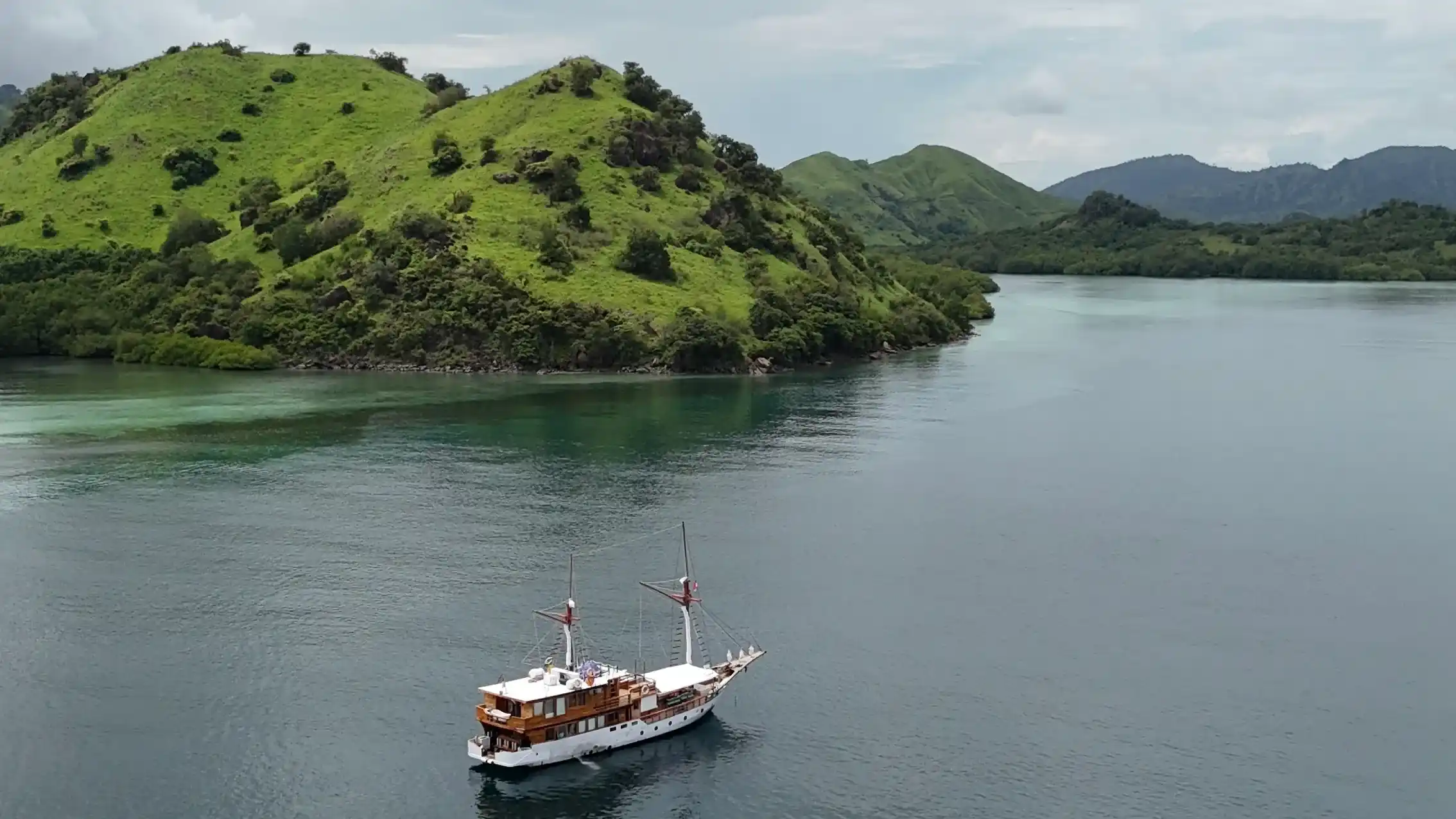 Sailing & Charters
Do Boats Stop Running in Komodo During the Monsoon?
There is no closed season in Komodo National Park. What actually happens December to March: reduced fleet, dry-dock maintenance, weather…
Read more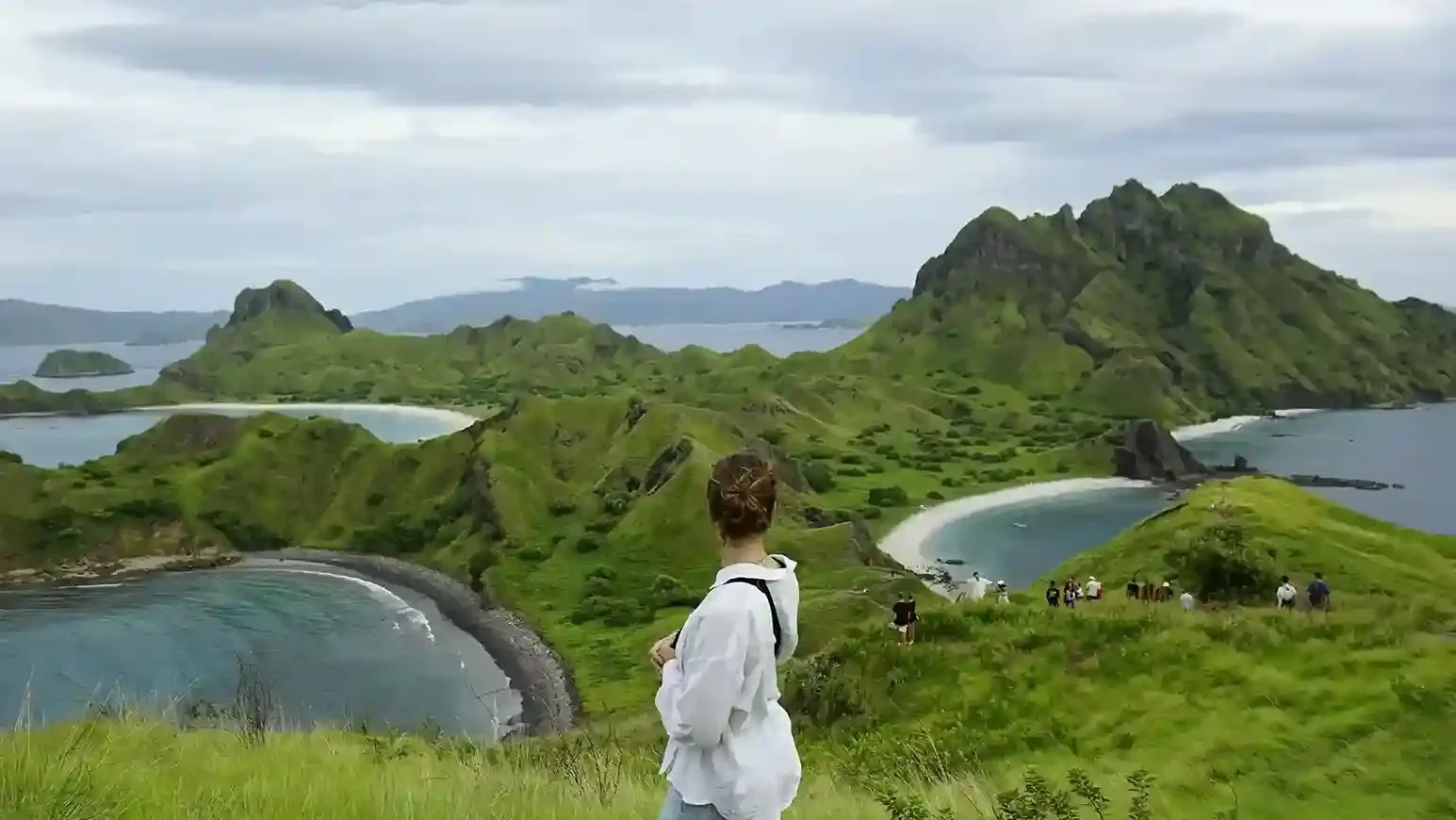 Sailing & Charters
Is Komodo Worth Visiting in January During the Rainy Season?
January is the wettest, roughest month in Komodo — and the peak of manta season with the lowest berth prices.…
Read more
Sail Komodo with Aura Suci
Eight en-suite cabins, every one with its own balcony, and a crew who read these tides daily.