
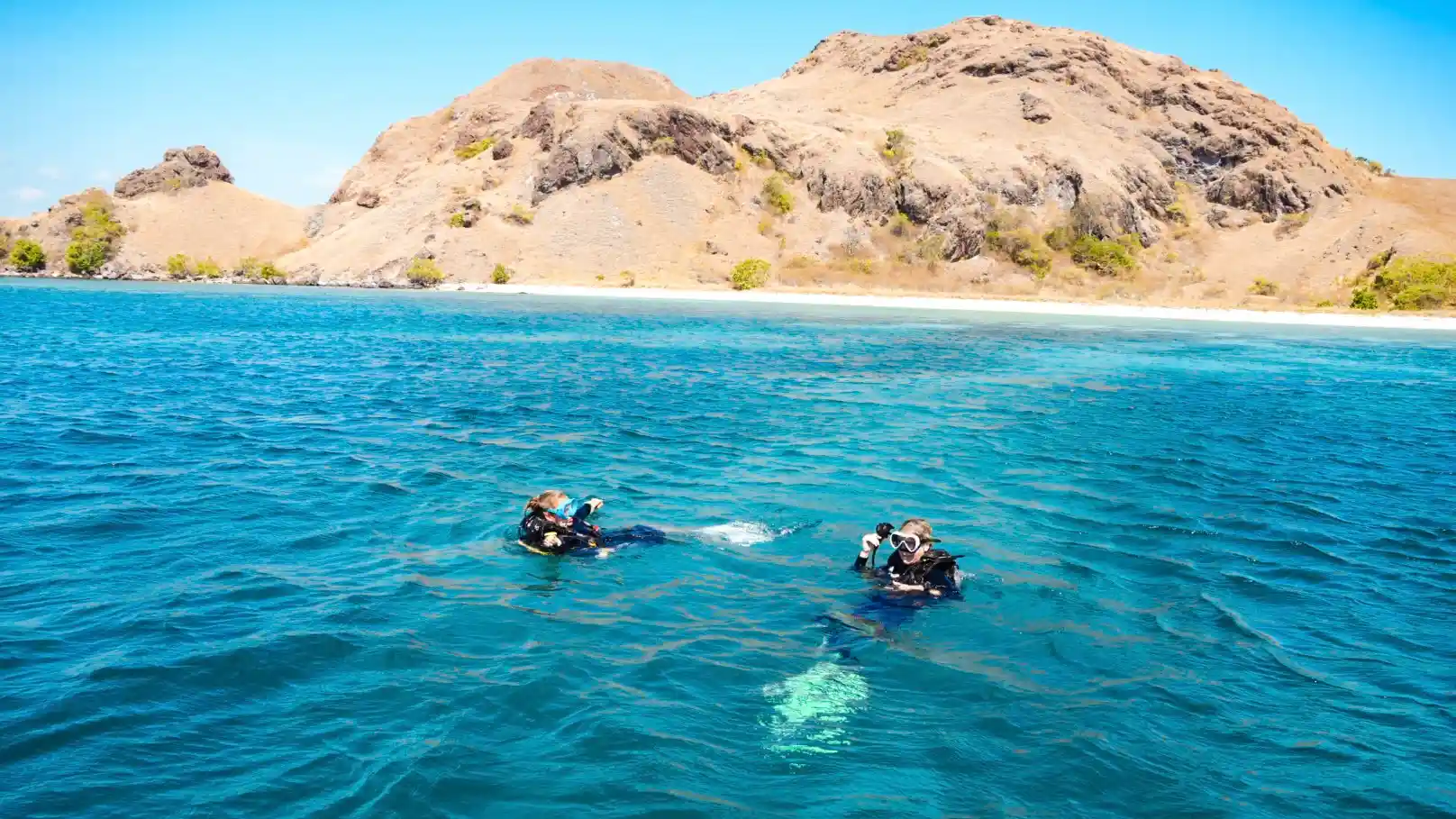
The 9 Best Komodo Dive Sites in 2027: Currents, Mantas & Macro Mapped
Explore the top nine dive sites in Komodo for 2027 with Aura Suci Liveaboard, featuring exhilarating currents, graceful mantas, and rich macro life. From the busy fish life of Batu …
- Published 28 June 2026
- Read time 8 min
Explore the top nine dive sites in Komodo for 2027 with Aura Suci Liveaboard, featuring exhilarating currents, graceful mantas, and rich macro life. From the busy fish life of Batu Bolong to the manta congregations at Manta Alley, experience a diving adventure rich in diversity and excitement.
Batu Bolong: Central Pinnacle with Dense Fish Biomass
Batu Bolong is one of Komodo’s premier dive sites, renowned for its lively marine life and challenging conditions. Located centrally in the park, this pinnacle is known for its dense fish biomass, making it a hotspot for divers seeking large schools of fish. White-tip reef sharks are a common sight, patrolling the waters around this isolated rock.
Timing is crucial when diving at Batu Bolong, as the site is only accessible at slack tide due to the strong surrounding currents. These currents bring rich nutrients, supporting a healthy ecosystem but also necessitating precise planning to ensure safety and maximize the experience. Visibility here typically ranges from 15 to 30 meters, offering a clear view of the underwater spectacle.
Beyond the aquatic marvels, the backdrop of Komodo’s rugged islands adds to the site’s dramatic appeal. Divers are often treated to the sight of lively coral gardens interspersed with swirling schools of fusiliers and snapper, while the occasional Napoleon wrasse glides past, adding to the site’s allure.
Castle Rock and Crystal Rock: Northern Seamounts with Strong Currents
In the northern region of Komodo, Castle Rock and Crystal Rock offer thrilling dives for those seeking adventure. These seamounts are famous for their strong currents, which require divers to perform negative entries to reach the dive site safely. The nutrient-rich waters attract grey reef sharks and giant trevally, providing an exhilarating dive experience.
Diving these sites can be challenging, with powerful currents presenting not only a test of skill but also an opportunity to witness the dynamic marine life of Komodo. Divers can expect water temperatures between 27 to 29°C and visibility extending to 30 meters, perfect for capturing the awe-inspiring scenes of predatory fish in action.
The impressive underwater pinnacles and ridges of Castle and Crystal Rock serve as a stage for an underwater ballet of big fish action. Hammerhead shark sightings, while rare, add an element of excitement and unpredictability to what is already a heart-thumping dive.
Karang Makassar: Central Manta Cleaning Stations
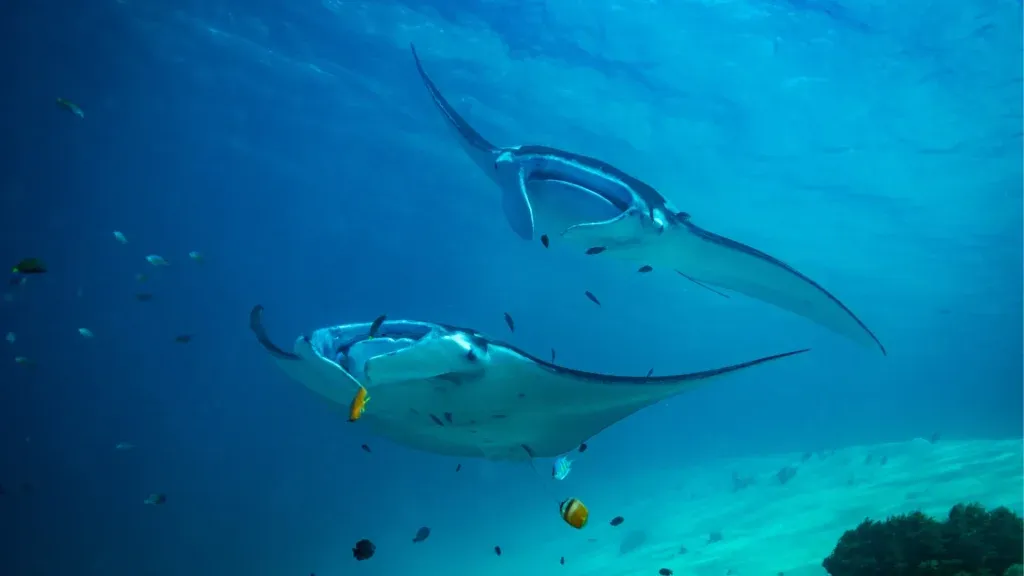
Karang Makassar, or Manta Point, is a magnet for manta rays, offering divers the unique chance to observe these gentle giants year-round. This central reef is home to several cleaning stations where mantas gather for grooming by cleaner fish. The site is known for its ‘manta trains,’ where multiple rays glide gracefully in formation over the reef.
Visibility typically ranges from 15 to 30 meters, with water temperatures around 27 to 29°C. The best encounters with mantas occur when the current is moderate, allowing divers to drift gently alongside these magnificent creatures. Karang Makassar promises a serene yet exhilarating experience, with mantas frequently appearing within arm’s reach.
Beyond mantas, the site also supports a lively reef ecosystem. Divers can catch glimpses of green sea turtles, bumphead parrotfish, and the occasional whale shark making a surprise appearance, adding to the thrill of the dive.
Manta Alley: Southern Hotspot for Manta Encounters
Located in the southern reaches of Komodo near the Indian Ocean, Manta Alley is a renowned location for observing manta rays. The site is particularly popular during the cool upwelling season from June to September, when mantas aggregate in large numbers. Here, divers can witness these creatures feeding and interacting in their natural habitat.
Water temperatures in the south are cooler, ranging from 22 to 26°C, often accompanied by thermoclines. Visibility can be lower due to upwelling, averaging 10 to 20 meters, which adds to the mysterious allure of the site. Despite the cooler conditions, Manta Alley remains a must-visit for those seeking intimate manta encounters.
The drama of Manta Alley is not just in the mantas but also in the dramatic topography of boulders and drop-offs that create a striking underwater landscape. This site is a photographer’s dream, offering endless opportunities to capture the ethereal beauty of manta rays gliding through curtains of plankton.
Cannibal Rock: Muck Diving and Macro Wonders
Cannibal Rock, situated in Nusa Kode, is a diver’s dream for muck diving and macro photography. Known for its rich biodiversity, the site is teeming with rare and unusual marine life, including pygmy seahorses, frogfish, and a variety of nudibranchs. The cooler southern waters create an environment perfect for spotting these cryptic creatures.
With water temperatures between 22 to 26°C and visibility ranging from 10 to 20 meters, Cannibal Rock offers an intimate dive experience focused on the smaller wonders of the ocean. This site is a notable trove for divers passionate about macro life, promising countless opportunities for unique underwater photography.
Every dive at Cannibal Rock is a notable hunt, with divers scouring the reef floor for lesser-known spots like the rare rhinopias and harlequin shrimp. The site’s underwater landscape, dotted with lively sea fans and sponges, provides the perfect backdrop for these tiny treasures.
Tatawa Besar and Golden Passage: Drift Diving Adventures
For those new to drift diving, Tatawa Besar offers a more relaxed introduction with its sweeping drifts over lively orange soft-coral gardens. The currents here are milder, allowing divers to comfortably glide along the reef while observing the diverse marine life. Water temperatures are consistent with the central Komodo region, offering a warm and inviting dive.
Conversely, the Golden Passage is a high-energy tidal channel, providing an adrenaline-pumping drift dive experience. This site connects the Pacific Ocean to the Flores Sea, channeling powerful currents that carry divers through a thrilling underwater journey. The nutrient flow supports a rich ecosystem, rewarding divers with encounters with schools of barracuda and eagle rays.
The dive at Golden Passage is akin to flying, with currents whisking divers through canyons where coral gardens are abuzz with life. The swift journey through this underwater corridor is both exhilarating and visually captivating, with the chance to spot larger pelagics adding to the excitement.
South Komodo Wonders: Nusa Kode and Padar Island
Nusa Kode and Padar Island, located in the south, offer a unique combination of rugged landscapes and diverse marine life, making them essential stops for divers and nature enthusiasts. Nusa Kode is known for its dramatic cliffs and secluded coves, offering calm waters that are perfect for diving.
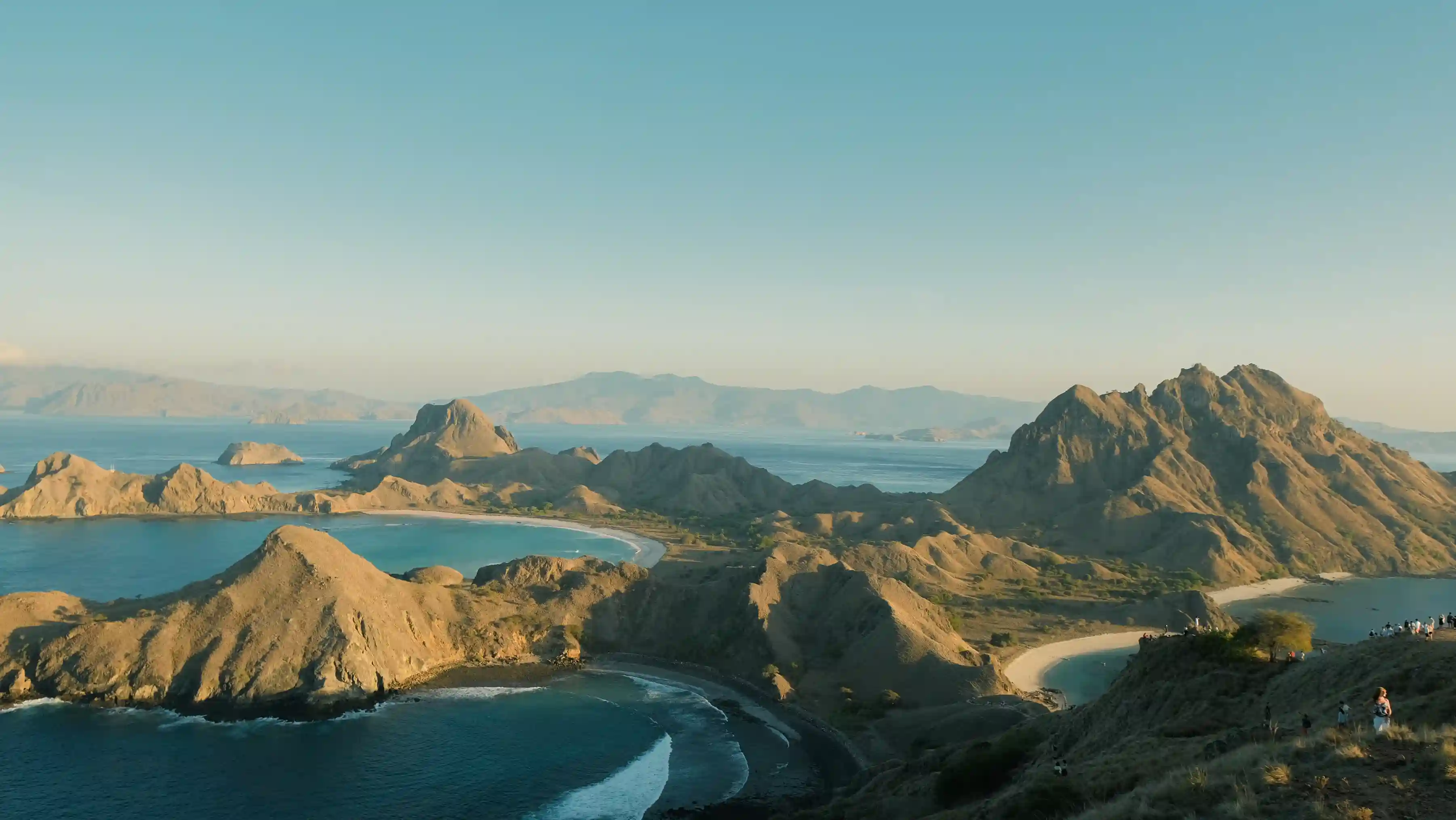
Padar Island, with its iconic view of crescent-shaped beaches, provides striking above-water scenery that complements the underwater exploration. The surrounding waters host a diverse range of marine species, from lively coral gardens to passing dolphin pods. Water temperatures here are slightly cooler, ranging from 22 to 26°C, which supports unique species not found in the warmer central areas.
Divers visiting these sites can expect to encounter a serene underwater world of sea turtles, playful reef fish, and the occasional curious octopus. The combination of dramatic topography and rich marine biodiversity makes Nusa Kode and Padar Island standout locations in the Komodo National Park.
FAQs
Q? What is the best time to dive in Komodo? A. The best season for diving in the north and central parts of Komodo is from April to November, when conditions are driest and currents are strongest from July to September. The southern sites, known for macro and mantas, are best visited during the cooler upwelling period from June to September.
Q? What are the typical prices for a liveaboard in Komodo? A. Liveaboard prices in Komodo range based on the level of luxury and duration. Budget phinisi options start from USD 160-250 per day, mid-range from USD 250-400, and luxury or boutique options can reach USD 450-800+ per day, per person in a shared cabin.
Q? How many dives can I expect on a liveaboard trip in Komodo? A. On a typical 3-day, 2-night trip, divers can expect around 6-7 dives, focusing on central sites. A 6-day, 5-night trip usually includes 15-18 dives, which allows for a more comprehensive exploration, including north, central, and a southern day trip to sites like Cannibal Rock or Manta Alley.
For wider arrangements, our partner labuanbajoluxury can coordinate end to end.
Related reading
Send your dates and we will come back with live cabin availability on Aura Suci.
From the journal
More reading

Komodo Open Trip 3D2N vs Private Wellness Charter (2026)
For wellness-minded travellers, the decision usually comes down to privacy versus price. A Komodo open trip 3D2N with shared cabins…
Read more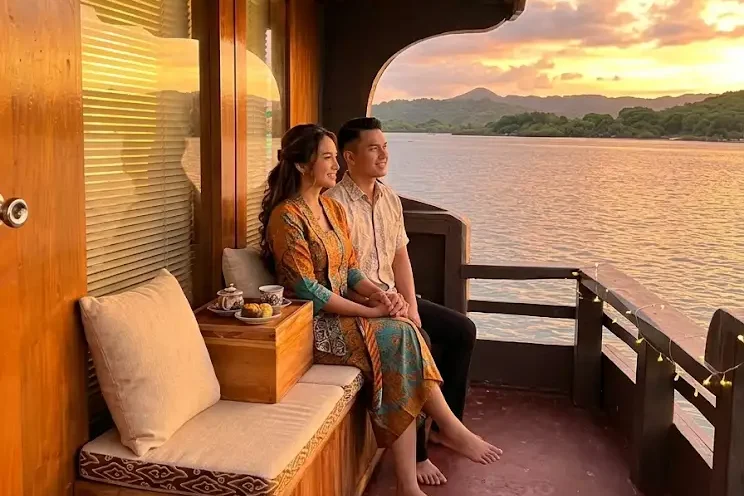
Every Cabin With a Private Balcony: Why That Is Rare on a 30m Komodo Phinisi
Every cabin on Aura Suci opens onto its own private balcony — and on a 30-metre wooden phinisi, that is…
Read more
One Phinisi, 24 Guests: The 2027 Charter Math for Large Groups in Komodo
If you are looking for a Komodo phinisi for large groups, here is the direct answer: Aura Suci, a 30-metre…
Read more
Sail Komodo with Aura Suci
Eight en-suite cabins, every one with its own balcony, and a crew who read these tides daily.