
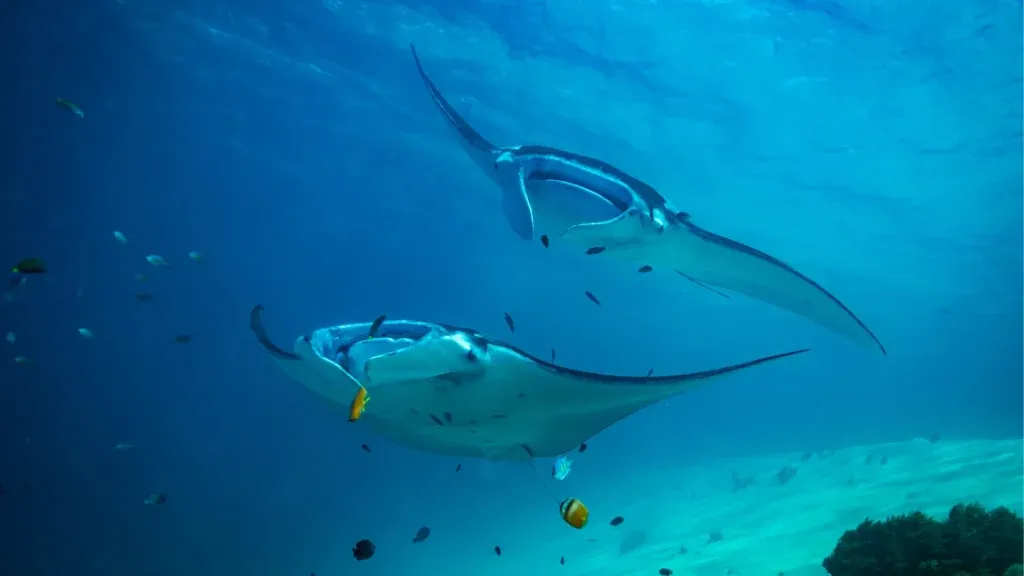
Where to See Manta Rays in Komodo: Karang Makassar & Manta Alley Guide
For those seeking to encounter manta rays in Komodo, Indonesia, the prime locations are Karang Makassar and Manta Alley. These sites provide unique opportunities to witness manta rays' natural behavior …
- Published 28 June 2026
- Read time 7 min
For those seeking to encounter manta rays in Komodo, Indonesia, the prime locations are Karang Makassar and Manta Alley. These sites provide unique opportunities to witness manta rays’ natural behavior and are integral parts of any Aura Suci Liveaboard diving itinerary.
Karang Makassar: The Central Reef Destination
Karang Makassar, also known as Manta Point or Makassar Reef, is a highlight for divers exploring the central region of Komodo National Park. This expansive reef is famed for its manta ray cleaning stations, where these gentle giants gather to be cleaned by smaller reef fish. Divers can expect to see manta trains—formations of several mantas swimming together—gliding majestically through the water.
The site is best visited from April to November, when water temperatures range between 27-29°C and visibility extends from 15 to 30 meters. The conditions during these months provide optimal opportunities for observing mantas in their natural habitat, with the strongest currents occurring from July to September. Karang Makassar is accessible on all trip durations, offering divers multiple chances to delight in these encounters.
The cost of visiting this iconic site varies based on the type of liveaboard selected; budget options start from around USD 160 per day, while luxury choices can exceed USD 800 per day, highlighting the diversity of experiences available for different budgets.
Manta Alley: South Komodo’s Manta Hotspot
Manta Alley is situated in the southern part of Komodo, near the Indian Ocean, and is renowned for its large aggregations of manta rays. This site is particularly active during the cool upwelling season from June to September, when the water temperature drops to between 22-26°C, with visibility ranging from 10-20 meters due to nutrient-rich upwellings.
The nutrient influx brings plankton that attracts mantas in significant numbers, providing memorable underwater experiences. Manta Alley can be visited on longer trips such as the 6D5N itineraries, which allow for a comprehensive exploration of Komodo, including both northern and southern sites.
Divers should be prepared for dynamic conditions as strong currents are common, and the experience of seeing manta rays dance against the upwelling backdrop is memorable. The cost for such an adventure aligns with mid-range to luxury liveaboard pricing, reflecting the unique allure of this diving location.
Ideal Diving Conditions and Seasonal Variations
The best time to dive in the northern and central parts of Komodo is from April to November. During this period, the dry season brings clearer skies and the most favorable dive conditions. The visibility is at its peak, and the lively marine life is more accessible, making it an excellent time to explore sites like Batu Bolong, Castle Rock, and Crystal Rock.
For those interested in macro life and manta encounters in the southern regions, the optimal period is June to September. This is when the cooler waters attract a diverse array of marine life, including the famous pygmy seahorses and frogfish at Cannibal Rock. Divers should be prepared for thermoclines and potential visibility challenges but will be rewarded with rich underwater biodiversity.
The seasons dictate not only the marine life you will encounter but also the nature of the diving experience itself. During the dry season, the currents are stronger, which can enhance drift dives, particularly at sites like the Golden Passage.
Dive Site Highlights: Beyond Mantas
Komodo offers a variety of dive sites, each with its unique attractions. Batu Bolong is famous for its dense fish biomass and frequent sightings of white-tip reef sharks. It is best dived at slack tide to ensure a safer experience. Meanwhile, Castle Rock and Crystal Rock in the north are known for their thrilling negative entries and strong currents, offering glimpses of grey reef sharks and giant trevallies.
Tatawa Besar provides a more relaxed drift dive with lively orange soft corals, perfect for divers looking for a calmer experience. The Golden Passage, a high-energy tidal channel, challenges divers with its swift currents but rewards with a dynamic drift dive experience.
Each dive site presents an aspect of Komodo’s diverse marine environment. Whether you prefer the adrenaline of high-current areas or the tranquility of gentler sites, Komodo delivers an array of memorable underwater landscapes.
Liveaboard Experiences with Aura Suci
Aura Suci Liveaboard offers several trip durations tailored to divers’ preferences and skill levels. A typical 3-day, 2-night trip includes approximately six to seven dives, focusing on central sites. For a more comprehensive experience, the 6-day, 5-night trip covers 15-18 dives, including a day at Cannibal Rock or Manta Alley. Those seeking a full exploration can choose the 7-day, 6-night or longer itineraries, which include over 18 dives throughout Komodo’s varied dive sites.
The daily routine on board includes a pre-breakfast dive, followed by three to four dives each day, along with optional night dives and sunset treks to observe Komodo’s terrestrial wildlife. This organized schedule ensures divers can make the most of their underwater experiences while enjoying the natural beauty of the region.
The longer trips not only offer more dives but also a greater chance to engage with the local culture and landscape through land excursions, making each trip a holistic adventure both above and below the water surface.
Pricing and Options for Every Diver
Aura Suci Liveaboard provides a range of pricing options to suit different budgets and preferences. Budget-friendly phinisi options are available at approximately USD 160-250 per day, while mid-range choices range from USD 250-400 per day. For those seeking a more luxurious experience, boutique liveaboards offer amenities at USD 450-800+ per day.
These varied price bands ensure that every diver can find a suitable package, whether they are seeking an economical adventure or a more exclusive journey. The liveaboard trips are designed to maximize the diving experience, providing comfort and convenience for divers exploring the wonders of Komodo National Park.
Each pricing tier offers distinct experiences, from more basic accommodations to the plush comforts of a luxury voyage, ensuring that divers can tailor their adventure to meet both their budget and their preferred level of service.
Exploring Komodo’s Underwater Diversity
Komodo National Park is not only about mantas and drift dives; it boasts a remarkable underwater diversity that enchants both novice and experienced divers. The region is home to more than 1,000 species of fish, over 250 types of coral, and numerous other marine organisms, making it a hotspot for biodiversity.
Sites like Cannibal Rock in the southern region are particularly renowned for muck diving, where divers can spot the elusive pygmy seahorse camouflaged amongst the seafans, or the lively nudibranchs that fascinate macro photographers.
Whether it’s the busy reef life at Batu Bolong or the serene beauty of Tatawa Besar’s coral gardens, Komodo offers a rich notable of marine life that continues to draw divers back, year after year, eager to uncover its underwater secrets.
FAQs
Q? What is the best time to see manta rays at Karang Makassar and Manta Alley?
A: Manta rays can be seen year-round at Karang Makassar, but the best time is from April to November. At Manta Alley, the aggregation peaks during the cooler months of June to September due to nutrient-rich upwellings.
Q? How many dives are typically included in a 6-day, 5-night trip with Aura Suci Liveaboard?
A: A 6-day, 5-night trip typically includes 15 to 18 dives, allowing divers to experience both the northern, central, and parts of the southern dive sites including a day at Cannibal Rock or Manta Alley.
Q? What kind of marine life can be expected at Cannibal Rock?
A: Cannibal Rock is known for its diverse macro marine life, including pygmy seahorses, frogfish, and a variety of nudibranchs. The site is particularly attractive for divers interested in muck diving and macro photography.
For wider arrangements, our partner labuanbajoluxury can coordinate end to end.
See also: Cannibal Rock 2027: Why South Komodo Is the Macro Diver’s Secret, Diving Batu Bolong: How to Read Komodo’s Most Demanding Pinnacle · Home.
Related reading
Send your dates and we will come back with live cabin availability on Aura Suci.
From the journal
More reading

Komodo Open Trip 3D2N vs Private Wellness Charter (2026)
For wellness-minded travellers, the decision usually comes down to privacy versus price. A Komodo open trip 3D2N with shared cabins…
Read more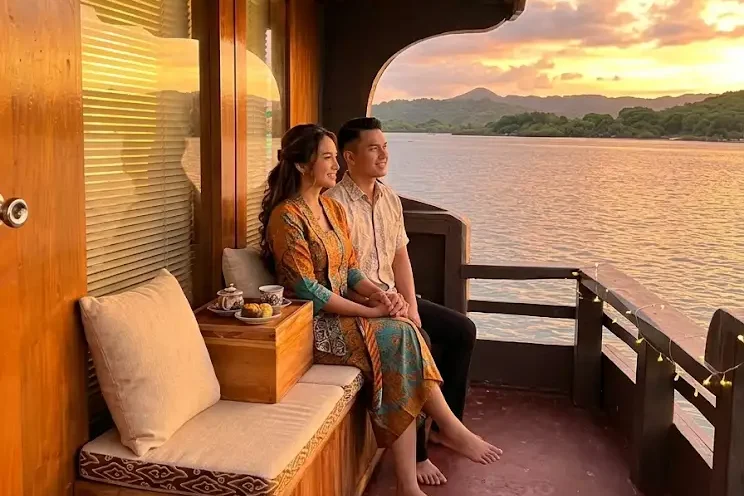
Every Cabin With a Private Balcony: Why That Is Rare on a 30m Komodo Phinisi
Every cabin on Aura Suci opens onto its own private balcony — and on a 30-metre wooden phinisi, that is…
Read more
One Phinisi, 24 Guests: The 2027 Charter Math for Large Groups in Komodo
If you are looking for a Komodo phinisi for large groups, here is the direct answer: Aura Suci, a 30-metre…
Read more
Sail Komodo with Aura Suci
Eight en-suite cabins, every one with its own balcony, and a crew who read these tides daily.