
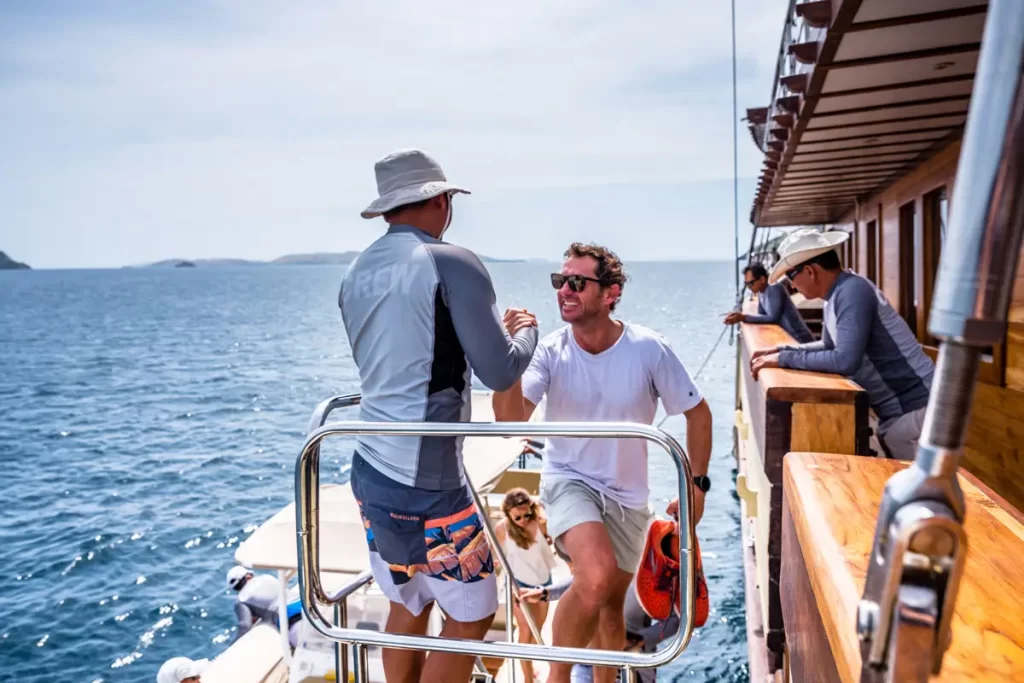
Behind the Scenes: How Your Labuan Bajo Liveaboard Adventure Works
Understanding the operational intricacies of a Labuan Bajo liveaboard ensures a smoother and more enjoyable trip for families and groups. From vessel maintenance and crew training to itinerary planning and …
- Published 3 July 2026
- Read time 8 min
Understanding the operational intricacies of a Labuan Bajo liveaboard ensures a smoother and more enjoyable trip for families and groups. From vessel maintenance and crew training to itinerary planning and provisioning, every detail is meticulously managed to deliver a safe and memorable experience in Komodo National Park.
The Vessel: More Than Just a Boat
A liveaboard is a complex floating hotel, designed to navigate the Komodo archipelago safely and comfortably. Our vessels undergo rigorous maintenance schedules, often during the low season, to ensure all systems – engines, navigation, safety equipment, and guest facilities – are in prime condition. This involves dry-docking for hull inspection and painting, engine overhauls, and thorough checks of electrical and plumbing systems. Safety is paramount; all boats are equipped with life rafts, life jackets, fire extinguishers, and first aid kits, with crew trained in emergency procedures.
For families and groups, the layout of the boat is crucial. Cabins range from budget-friendly shared bunks to private rooms with en-suite bathrooms and even dedicated family cabins with balconies. The design prioritises communal spaces for dining and relaxation, allowing groups to socialise while also offering private retreats. The galley, often surprisingly compact, produces three fresh meals a day, catering to various dietary requirements with advance notice.
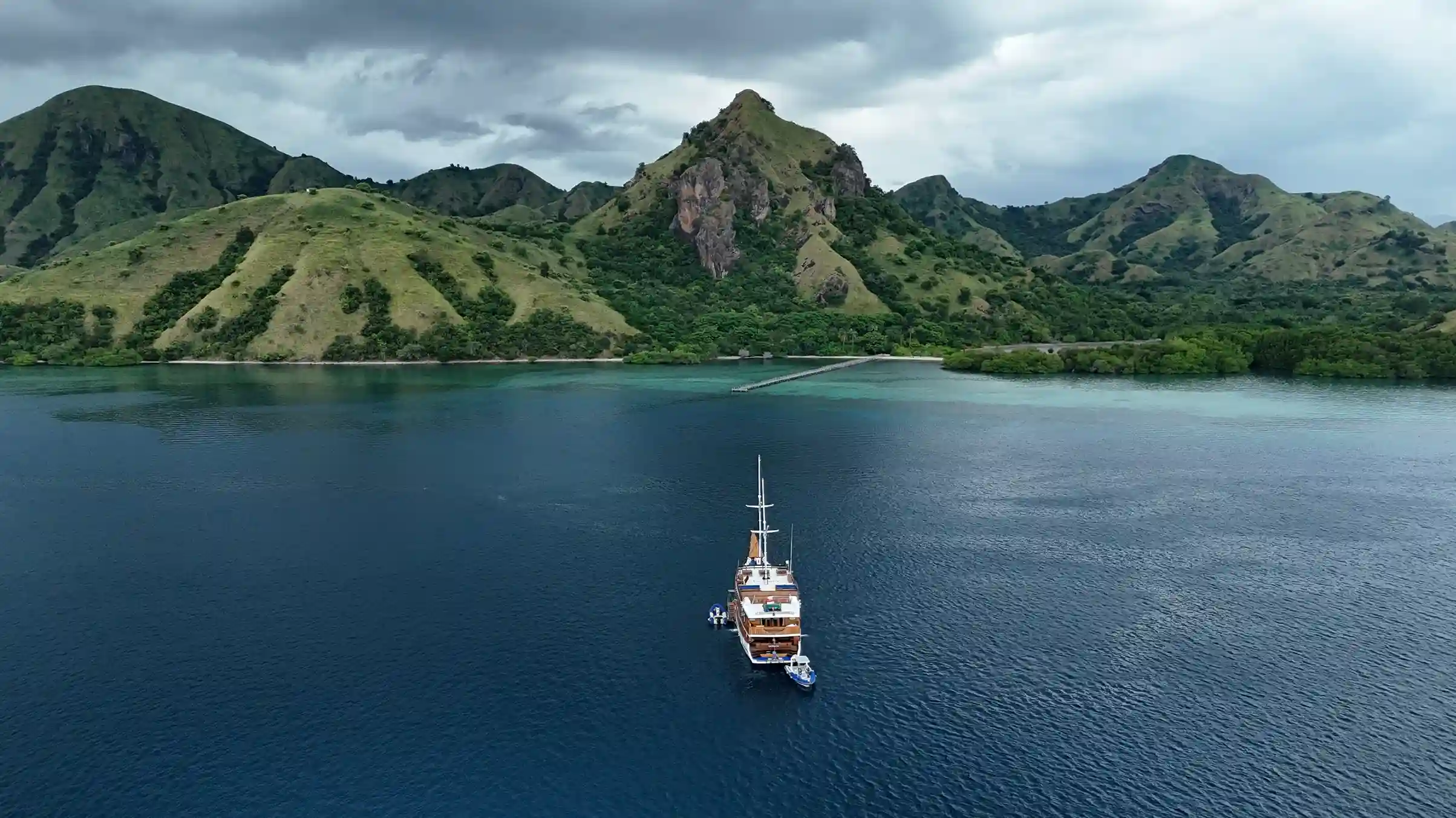
The Crew: The Backbone of Your Voyage
Our crew are the unsung heroes of any liveaboard trip. A typical Labuan Bajo liveaboard for 15-20 guests will have a crew of 6-10 individuals, each with specific roles:
- Captain: Responsible for navigation, vessel safety, and overall command. Years of experience in the Komodo waters are essential.
- First Mate: Assists the captain, manages deck operations, and often supervises the dive or snorkelling guides.
- Engineers: Crucial for maintaining the vessel’s propulsion and power systems.
- Chef: Prepares all meals, snacks, and drinks, often working in a compact galley to produce high-quality Indonesian and international cuisine.
- Deckhands: Assist with mooring, tender operations, guest luggage, and general upkeep.
- Dive Masters/Snorkel Guides: Lead underwater excursions, ensuring safety and pointing out marine life. They possess extensive local knowledge of dive sites.
- Guest Relations/Host: Often the primary point of contact for guests, managing comfort, special requests, and ensuring a pleasant experience.
Regular training in first aid, emergency response, and customer service is mandatory for all crew members. Their local knowledge, particularly of Komodo’s currents and weather patterns, is invaluable for safe and enjoyable trips.
Itinerary Planning: Crafting Your Adventure
Creating a liveaboard itinerary involves balancing popular attractions with guest preferences, weather conditions, and the strictly enforced daily visitor caps in Komodo National Park. Our typical 3-day, 2-night itineraries for families and groups often include:
- Komodo Dragon Viewing: Rinca Island or Komodo Island.
- Snorkelling/Diving: Manta Point, Batu Bolong, Pink Beach, Siaba Besar.
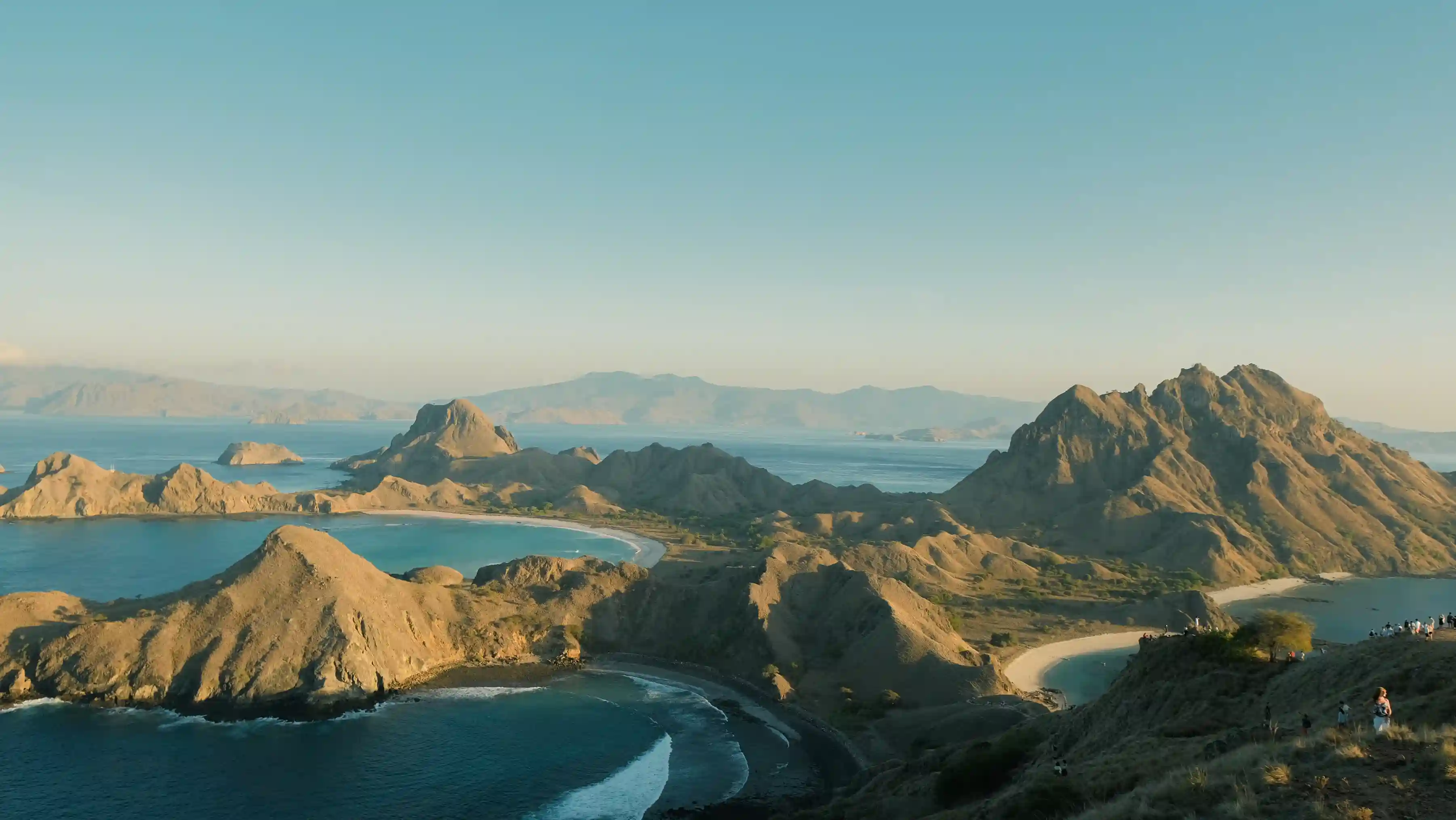
- Hiking: Padar Island for panoramic views.
- Relaxation: Kalong Island (Flying Fox bats at sunset), various secluded beaches.
Private charters offer more flexibility, allowing groups to tailor their journey to specific interests, whether that’s more diving, extended beach time, or visiting less-frequented spots. However, even private charters must adhere to park regulations and visitor limits, particularly the see liveaboard itineraries for 2026 daily cap of 1,000 visitors in core zones.
Send your dates and we will come back with live cabin availability on Aura Suci.
Provisioning: Keeping Everyone Fed and Hydrated
Before each trip, the boat is fully provisioned with fresh food, drinking water, and other supplies. This is a significant logistical undertaking, particularly for multi-day trips with numerous guests. Fresh produce, meat, and seafood are sourced locally in Labuan Bajo, and careful planning ensures enough variety and quantity for all meals and snacks, including accommodating dietary restrictions. Water purification systems or bottled water ensure a constant supply of safe drinking water throughout the voyage.
Understanding the Costs: What Your Money Covers
When planning a Labuan Bajo liveaboard for 2026, understanding the cost structure is crucial for families and groups. Here’s a breakdown of typical pricing and what it generally includes:
| Trip Type & Duration | Per Person Cost (2026) | Key Inclusions & Best For |
|---|---|---|
| Budget Open Trip (3D2N) | IDR 3,700,000 – 5,000,000 (approx. $230–$310) | Shared cabins (2–4 bunks), often not private en-suites. Best for families wanting low-cost, social experience; groups of 4–10. |
| Mid-Range (3D2N) | IDR 5,000,000 – 7,500,000 | Private rooms with en-suites, more spacious. Best for families needing privacy; groups prioritising comfort. |
| Diving-Focused (3D2N) | IDR 9,600,000 – 10,500,000 | Multiple dives, dive masters, equipment (extra cost possible). Best for dedicated diving families or friend groups. |
| Family Ocean View (3D2N) | IDR 5,000,000 (for 4 pax) | Dedicated family cabin with private balcony, en-suite. Best for families with 2 adults + 2 children. |
| Private Boat Charter (Whole Boat, 2D1N) | ~IDR 40,500,000 (approx. $2,500) | Capacity up to 20 people. Total privacy, custom itinerary. Best for large groups (15–20) wanting exclusivity. |
| Luxury Charter (Per Day) | IDR 19,000,000 – 53,500,000+ | High-end comfort, bespoke services. Best for high-budget groups seeking 5-star experience. |
Additional Costs to Budget For:
- Flights to Labuan Bajo: IDR 2,000,000 – 4,000,000 per person (return domestic). These must be booked separately.
- Komodo National Park Entrance Fees: IDR 150,000 – 350,000 per person per day. Expect higher fees on weekends and holidays. Note the daily cap of 1,000 visitors in core zones from April 2026.
- Nitrox (Optional): Often an extra charge on budget boats; sometimes included in luxury packages.
- Equipment Rental: Snorkelling gear usually included; dive gear often extra.
- Personal Expenses: Souvenirs, alcoholic beverages (if not included), tips for the crew.
2027 note: While 2026 pricing and regulations provide a strong basis, travellers planning for 2027 should anticipate potential minor adjustments. Inflationary pressures and evolving park management policies could influence final costs and visitor restrictions. Always confirm the latest details directly with your liveaboard operator closer to your travel date to ensure accurate budgeting and planning.
Environmental Responsibility: Our Commitment
Operating in Komodo National Park comes with a significant responsibility to protect its delicate ecosystem. Our liveaboards adhere strictly to environmental guidelines:
- Waste Management: All waste is sorted and stored on board, then properly disposed of back in Labuan Bajo. We discourage single-use plastics.
- Anchoring Practices: Boats use designated mooring buoys where available, or anchor in sandy areas to avoid damaging coral reefs.
- Wildlife Interaction: Strict rules are followed for viewing Komodo dragons, manta rays, and other marine life to minimise disturbance. No touching or feeding of animals is permitted.
- Guest Education: We educate guests on responsible tourism practices, including not littering and respecting marine life.
By understanding the operational considerations and commitment required to run a liveaboard, families and groups can appreciate the value and effort behind their Komodo adventure. It is a carefully orchestrated experience, designed for both enjoyment and preservation.
FAQ
How far in advance should I book a liveaboard for a family or group trip?
For families and groups, particularly for peak season (June-August) or specific cabins like family ocean view rooms, we recommend booking 6-12 months in advance. Private charters, especially, fill up quickly due to limited availability.
What happens if there’s bad weather during our trip?
The captain’s priority is guest safety. In cases of severe weather, itineraries may be adjusted to seek calmer waters or sheltered anchorages. While rare, extreme conditions might necessitate a return to Labuan Bajo. Our team will communicate any changes promptly and ensure your safety and comfort.
Are there any age restrictions for children on liveaboard trips?
While there are no strict age restrictions, we generally recommend liveaboards for children aged 5 and above, especially for longer trips. Younger children might find the boat environment challenging. Some boats may have specific policies regarding very young children, so it’s best to inquire when booking.
From the journal
More reading

Komodo Open Trip 3D2N vs Private Wellness Charter (2026)
For wellness-minded travellers, the decision usually comes down to privacy versus price. A Komodo open trip 3D2N with shared cabins…
Read more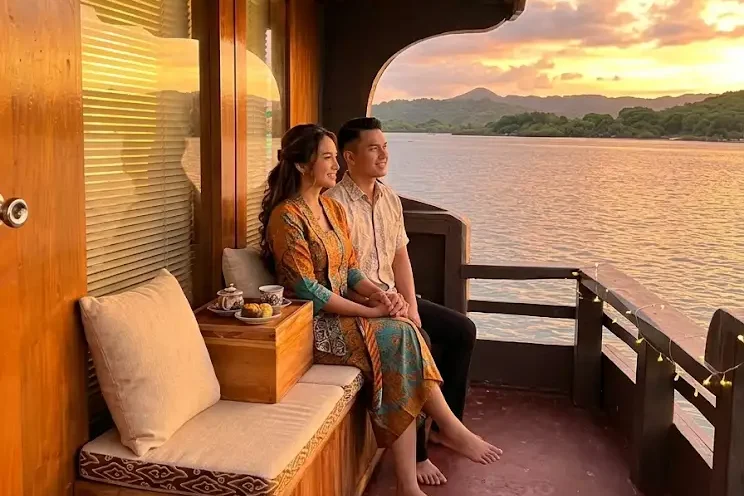
Every Cabin With a Private Balcony: Why That Is Rare on a 30m Komodo Phinisi
Every cabin on Aura Suci opens onto its own private balcony — and on a 30-metre wooden phinisi, that is…
Read more
One Phinisi, 24 Guests: The 2027 Charter Math for Large Groups in Komodo
If you are looking for a Komodo phinisi for large groups, here is the direct answer: Aura Suci, a 30-metre…
Read more
Sail Komodo with Aura Suci
Eight en-suite cabins, every one with its own balcony, and a crew who read these tides daily.