
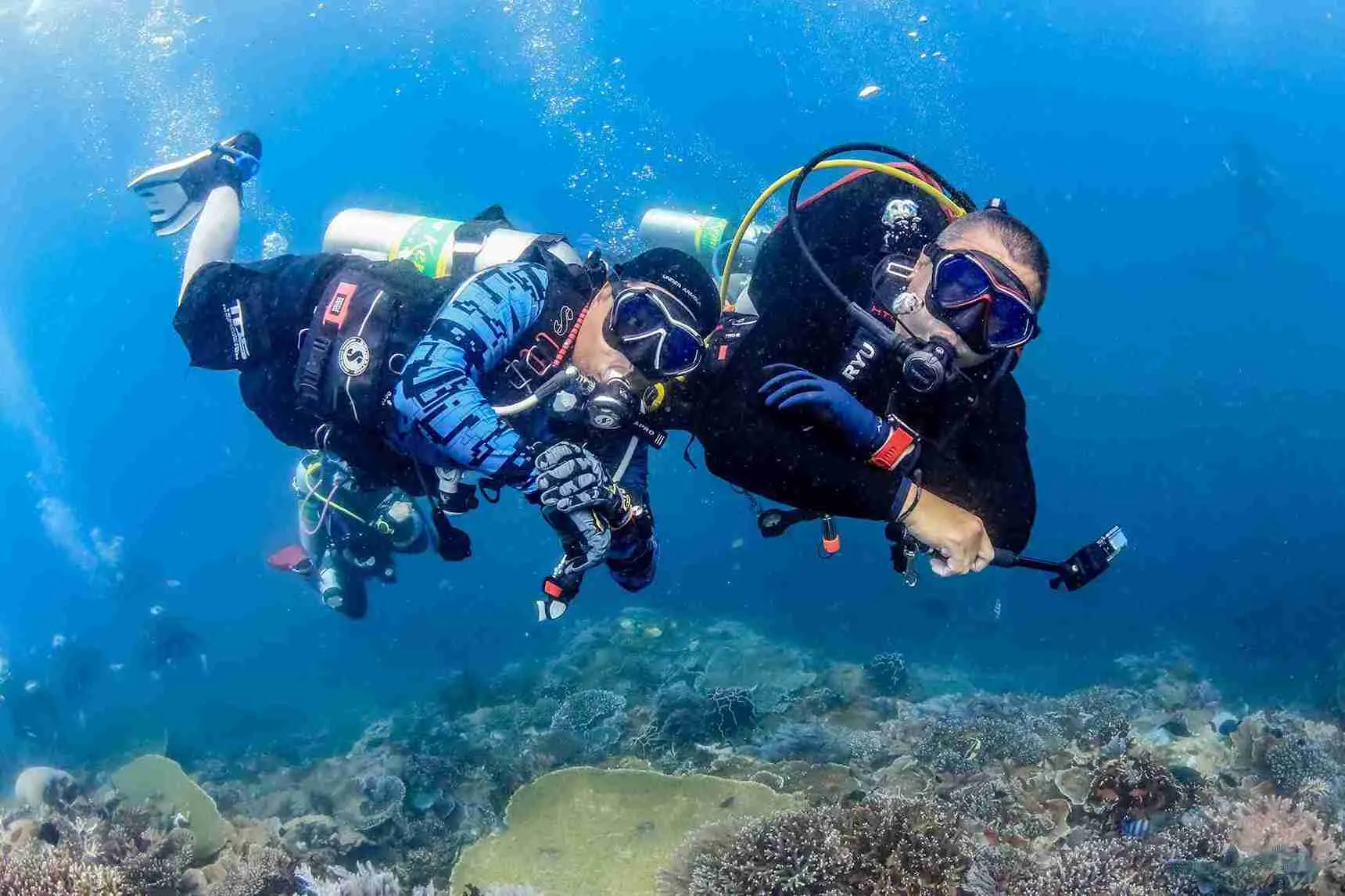
Best Time to Dive Komodo in 2027: Month-by-Month Seasons & Visibility
Planning your 2027 dive adventure in Komodo with Aura Suci Liveaboard requires understanding the seasonal underwater dynamics. Generally, the best diving conditions in the north and central Komodo occur from …
- Published 1 July 2026
- Read time 7 min
Planning your 2027 dive adventure in Komodo with Aura Suci Liveaboard requires understanding the seasonal underwater dynamics. Generally, the best diving conditions in the north and central Komodo occur from April to November, while the southern sites offer thrilling macro and manta experiences from June to September.
North and Central Komodo Diving: April to November
The diving season in north and central Komodo peaks between April and November. During these months, conditions are optimal with water temperatures ranging from 27-29°C and visibility of 15-30 meters. This season is perfect for exploring the dynamic dive sites such as Batu Bolong, where dense fish biomass and white-tip reef sharks thrive, but only safely explored at slack tide.
Castle Rock and Crystal Rock are favored locations in the north, known for their thrilling negative entry dives in strong currents. These seamounts teem with marine life, including grey reef sharks and giant trevally. The stronger currents from July to September enhance the diving experience, making it an exhilarating time for experienced divers. The underwater spectacle at these sites is complemented by the abundance of marine diversity, including barracudas and Napoleon wrasses.
Overall, the north and central Komodo offer a lively underwater panorama with the possibility of encountering dolphins and the occasional dugong, especially near the outer reef fringes. Beyond the underwater allure, the drier weather during this period also provides ideal conditions for surface intervals and scenic island treks.
Southern Komodo Macro and Manta Season: June to September
The cooler waters of southern Komodo present unique diving opportunities from June to September, with water temperatures between 22-26°C and visibility ranging from 10-20 meters due to Indian Ocean upwelling. This season is ideal for those interested in macro photography and manta ray encounters.
Sites like Cannibal Rock in Nusa Kode are renowned for their rich macro life, including pygmy seahorses, frogfish, and lively nudibranchs. Manta Alley, on the other hand, offers exhilarating encounters with mantas, especially when the cool upwelling currents peak. This makes the south an exciting destination for divers seeking diverse marine experiences. The nutrient-rich waters attract mantas in large numbers, creating striking ‘manta trains’ that glide gracefully through the currents.
The southern area also features remarkable topography with lively coral gardens and arches, providing shelter for rare critters and unique marine species. The challenge of the cooler thermoclines is offset by the rewarding encounters, making it a must-visit for underwater photographers and nature enthusiasts.
The Shoulder and Wet Season: December to March
From December to March, Komodo experiences its wet and shoulder season. Although diving is still possible, conditions can be less predictable with reduced visibility and increased rainfall. However, central sites offer sheltered bays that are suitable during this period.
For those seeking manta ray interactions, Karang Makassar remains a reliable choice as mantas are present year-round. While the weather may not be as accommodating, keen divers can still enjoy calmer waters in select locations, making it a serene period to explore Komodo’s underwater realms with fewer crowds.
This season also offers a quieter and more peaceful experience, allowing divers to connect with nature without the usual hustle and bustle of peak tourist times. The lush, rain-drenched landscapes above water can be a striking backdrop for those interested in combining land-based adventures with their diving journey.
Liveaboard Trip Durations and Daily Diving Rhythm
Aura Suci Liveaboard offers various trip durations to suit different diving preferences. A 3-day/2-night trip provides about 6-7 dives, focusing on central sites. For a more comprehensive experience, a 4-day/3-night trip offers 9-11 dives, while a 6-day/5-night journey is the realistic minimum to include north, central, and a southern day at Cannibal Rock or Manta Alley, with 15-18 dives.
For those wanting to explore the full expanse of Komodo, 7-day/6-night or 8-day/7-night itineraries offer 18-22+ dives, covering the Grand Komodo circuit. The daily routine typically starts with a pre-breakfast dive, followed by 3-4 dives per day, including a land or snorkel stop and an optional night dive, concluding with a sunset trek. This immersive routine allows divers to maximize their underwater time while savoring the serene beauty of Komodo’s islands.
Evenings aboard the liveaboard often include informative briefings, photographic workshops, or cultural presentations, enhancing the educational aspect of the trip. With expert guides leading the way, divers can gain insights into marine biology and the ecological significance of the park’s notable habitats.
Pricing for Komodo Liveaboard Trips in 2027
In 2027, Aura Suci Liveaboard offers a range of pricing options based on the level of comfort and service. Budget-friendly phinisi options range from USD 160-250 per day (IDR ~2.6-4.1M), providing a cost-effective way to experience Komodo’s wonders. Mid-range offerings are priced at USD 250-400 per day (IDR ~4.1-6.6M), balancing comfort and affordability.
For those seeking the ultimate in luxury, boutique liveaboard experiences are available for USD 450-800+ per day (IDR ~7.4-13.2M), ensuring a high level of service and amenities. Regardless of the choice, each package promises an enriching dive experience while exploring the rich marine life of Komodo.
Each pricing tier includes meals, accommodations, dive excursions, and guidance from seasoned dive masters, ensuring a captivating and worry-free adventure. The cost also reflects the quality of equipment and exclusivity of dive sites accessed, with luxury options offering personalized experiences like private dive guides and bespoke itineraries.
Key Dive Sites and Diving Conditions
Komodo National Park is renowned for its diverse dive sites. Batu Bolong is a central pinnacle surrounded by a busy underwater ecosystem, making it a must-visit for divers looking to witness dense schools of fish and predatory reef sharks. Due to its currents, it is dived best at slack tide for safety.
Golden Passage is another highlight, offering a high-energy tidal channel drift dive. Meanwhile, Tatawa Besar provides an easier drift dive experience with lively orange soft corals. Each site offers unique conditions and marine life, making Komodo a versatile diving destination.
The park’s diverse offerings cater to both adrenaline seekers and those preferring tranquil explorations. Sites like Tatawa Besar are perfect for those new to drift diving, providing a gentle introduction amidst lively coral tapestries, while the exhilarating currents of Golden Passage challenge more seasoned divers.
FAQs
Q? When is the best time to see manta rays in Komodo? A: Manta rays are present year-round at sites like Karang Makassar, but the peak manta season in the south, particularly at Manta Alley, is from June to September, coinciding with the cooler upwelling currents.
Q? What are the water temperatures I can expect in Komodo? A: Water temperatures in north and central Komodo range from 27-29°C, while the southern sites experience cooler conditions between 22-26°C with thermoclines due to Indian Ocean upwelling.
Q? Are liveaboard trips suitable for beginner divers? A: While Komodo offers sites suitable for all levels, some areas, particularly in the north, have strong currents requiring experience. Beginners may choose central sites or join guided dives with Aura Suci Liveaboard to ensure a safe and enjoyable experience.
For wider arrangements, our partner labuanbajoluxury can coordinate end to end.
Related reading
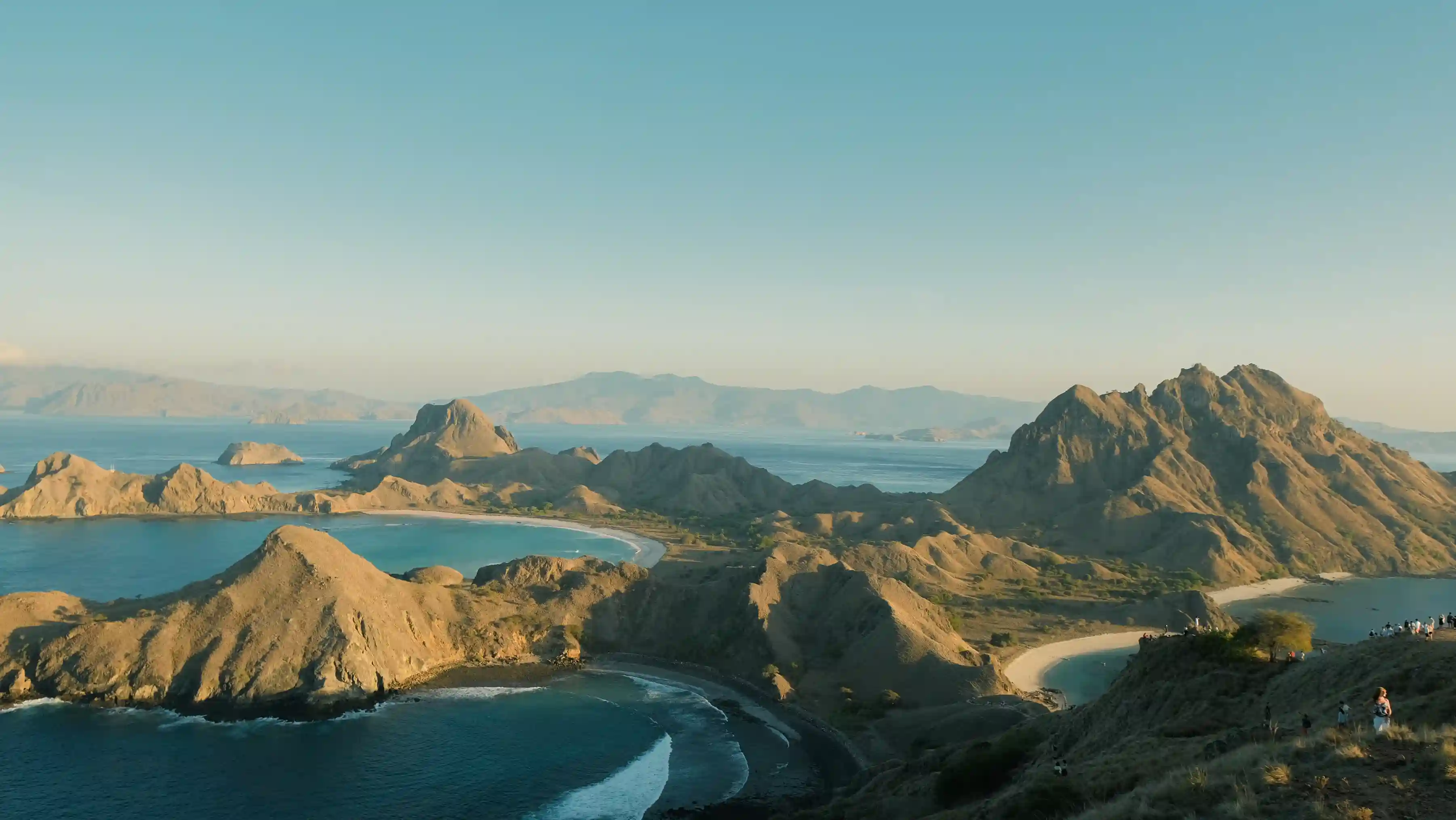
Send your dates and we will come back with live cabin availability on Aura Suci.
From the journal
More reading

Komodo Open Trip 3D2N vs Private Wellness Charter (2026)
For wellness-minded travellers, the decision usually comes down to privacy versus price. A Komodo open trip 3D2N with shared cabins…
Read more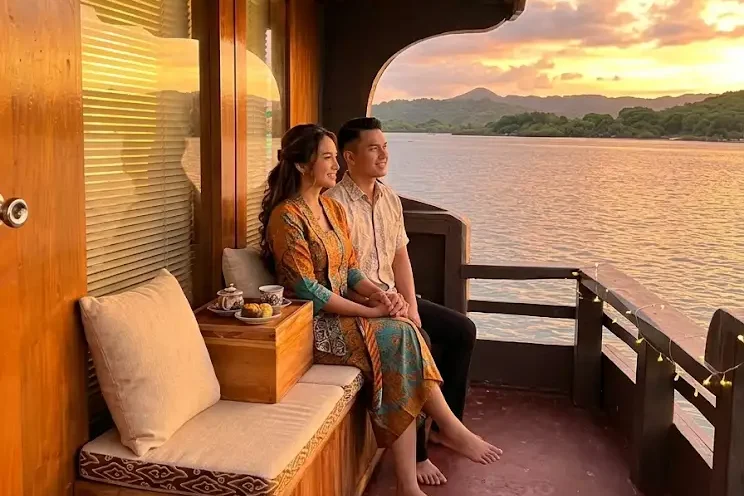
Every Cabin With a Private Balcony: Why That Is Rare on a 30m Komodo Phinisi
Every cabin on Aura Suci opens onto its own private balcony — and on a 30-metre wooden phinisi, that is…
Read more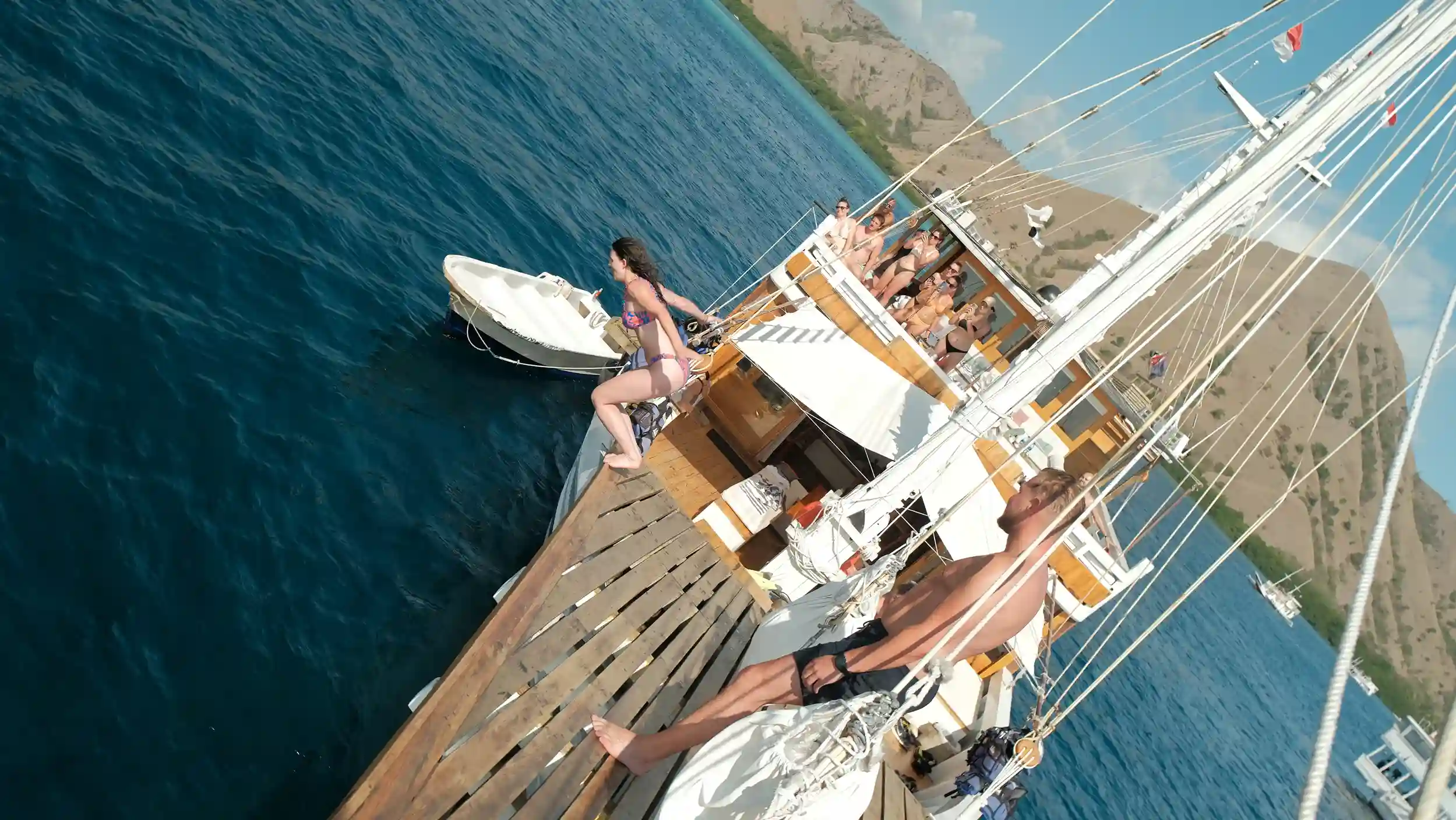
One Phinisi, 24 Guests: The 2027 Charter Math for Large Groups in Komodo
If you are looking for a Komodo phinisi for large groups, here is the direct answer: Aura Suci, a 30-metre…
Read more
Sail Komodo with Aura Suci
Eight en-suite cabins, every one with its own balcony, and a crew who read these tides daily.