
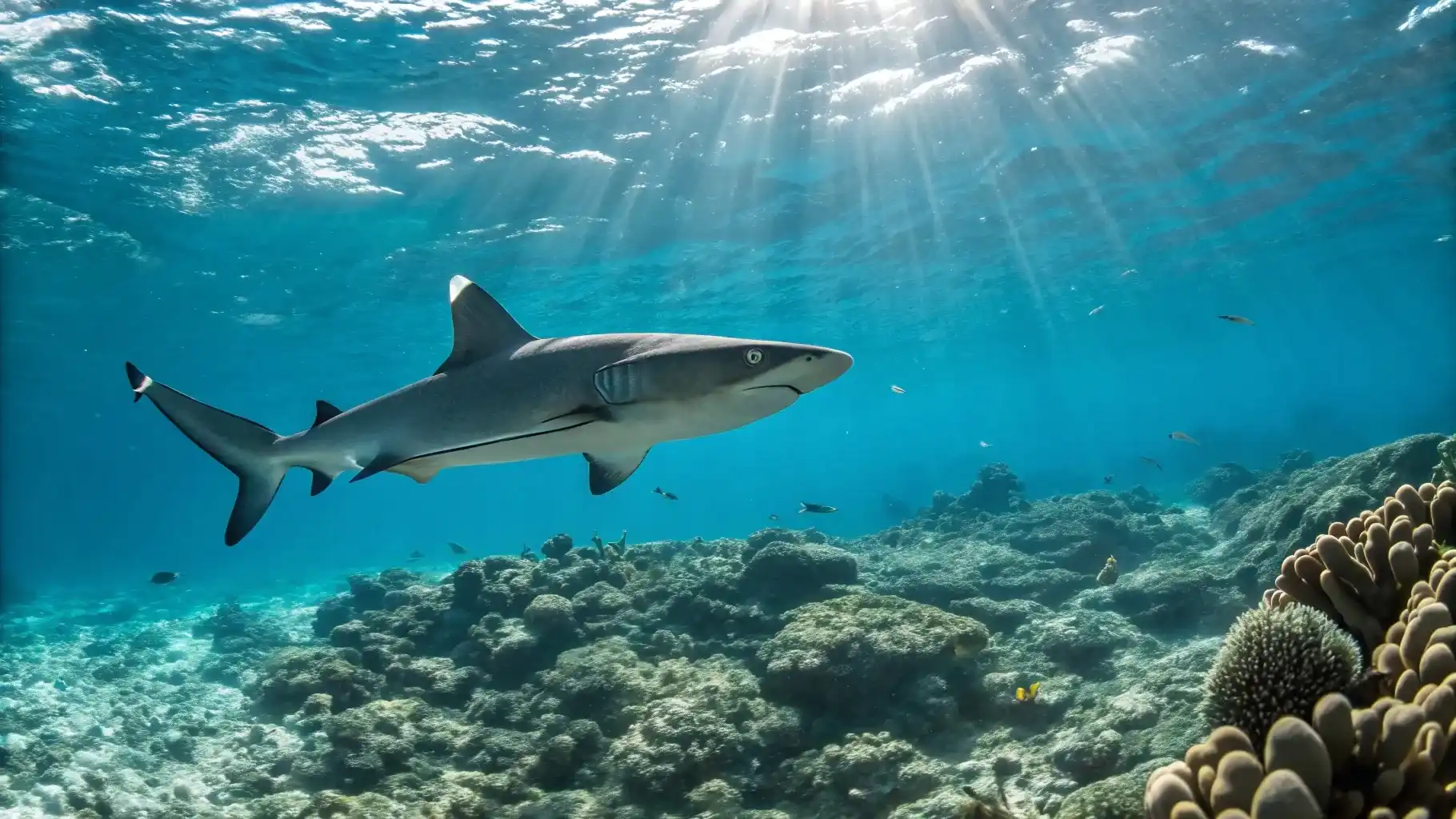
Castle Rock vs Crystal Rock: Komodo’s Twin Shark Seamounts Compared
Castle Rock and Crystal Rock are two of the premier dive sites in Komodo known for their thrilling encounters with grey reef sharks and giant trevally. These seamounts challenge divers …
- Published 28 June 2026
- Read time 8 min
Castle Rock and Crystal Rock are two of the premier dive sites in Komodo known for their thrilling encounters with grey reef sharks and giant trevally. These seamounts challenge divers with strong currents and require negative entries, offering a unique underwater adventure for experienced divers.
Understanding Castle Rock
Castle Rock is one of Komodo’s most renowned dive sites, celebrated for its busy marine life and thrilling underwater experiences. Located north of Komodo Island, this seamount attracts divers seeking the rush of encountering large pelagic species. The dive typically begins with a negative entry to combat the site’s strong currents, which are a hallmark of the area.
Once submerged, divers are greeted by a lively community of marine life, including schools of barracuda, trevally, and snappers. Grey reef sharks are a common sight, patrolling the currents alongside Napoleon wrasses and the occasional manta ray. The visibility here ranges from 15 to 30 meters, providing excellent conditions to observe the dynamic marine interactions that unfold around the rock.
The best time to dive Castle Rock is between April and November, when the dry season presents favorable diving conditions. Divers visiting during July to September will experience the strongest currents, enhancing the pelagic action that Castle Rock is known for. The lively underwater landscape is complemented by the site’s striking coral structures, which are teeming with life year-round.
Exploring Crystal Rock
Crystal Rock, situated close to Castle Rock, offers a similar yet distinct diving experience. The site is named for its clear waters that often provide visibility of up to 30 meters. Like Castle Rock, Crystal Rock requires a negative entry due to strong currents, making it a dive suitable for those with a bit more experience under their belts.
Divers here can expect encounters with an array of large pelagic species, including grey reef sharks and giant trevallies. The topography of Crystal Rock features colorful coral gardens that house smaller reef dwellers like anthias and nudibranchs, adding a macro interest to this thrilling dive. The currents that sweep through Crystal Rock bring nutrients that sustain the lively ecosystem, making every dive a unique spectacle.
During the peak diving season from April to November, divers can explore the rich biodiversity that Crystal Rock offers. The presence of large schools of jacks and trevallies creates an exhilarating underwater ballet. These dives are not just about the big fish; the lively corals and smaller reef species provide a striking contrast to the large pelagic life.
Dive Conditions and Currents
The northern dive sites of Komodo, including Castle Rock and Crystal Rock, are known for their challenging conditions, characterized by strong currents. These currents are not only responsible for the abundance of marine life but also dictate the dive plans. The best time to dive these sites is during slack tide, when the currents are most manageable.
Water temperatures in the north and central parts of Komodo range from 27 to 29 degrees Celsius, offering comfortable diving conditions. Visibility is generally excellent, allowing divers to fully appreciate the underwater landscapes and the marine life that inhabits them.
The dynamic currents are a significant driving force behind the rich marine biodiversity found here. Divers must be prepared for these conditions, which can vary from moderate to intense, especially during the height of the season. Proper skills in current diving are essential to safely enjoy the lively aquatic life that thrives due to these nutrient-rich waters.
Comparing Marine Life at Castle and Crystal Rocks
Both Castle Rock and Crystal Rock are famous for their pelagic action, with grey reef sharks being a major draw. These sites are also frequented by large schools of jacks, trevallies, and occasionally mantas, making them a hotspot for those seeking big fish encounters. It’s not uncommon for divers to witness exhilarating hunting behaviors as these predators zip through the water.
While the large pelagics often steal the show, the rocks are also home to smaller creatures. Colorful anthias, angelfish, and butterflyfish populate the lively coral gardens, providing a striking backdrop to the action. The diverse marine life ensures that every dive offers something new to discover.
Beyond the well-known predators, these dive sites are a haven for photographers and marine biologists alike. The smaller inhabitants, such as nudibranchs and pygmy seahorses at the fringes of the rocks, offer intricate details that contrast with the fast-paced pelagic show. The interplay between large and small species is the complex ecosystem supported by the nutrient-rich currents of Komodo.
Dive Seasons and Trip Planning
The prime diving season in Komodo’s northern and central regions, where Castle and Crystal Rocks are located, runs from April to November. This period is marked by dry weather and strong currents, particularly between July and September, which creates ideal conditions for diving these action-packed seamounts.
Dive trips generally range from 3 to 8 days, with longer itineraries allowing for a more comprehensive exploration of Komodo. A 6-day, 5-night trip is recommended for those wishing to dive both the northern and central sites, with the potential to include a day of diving in the south, at sites like Cannibal Rock or Manta Alley, known for their unique macro life and manta encounters.
Planning a dive trip to Komodo involves considering the varied conditions across different seasons and regions. While the north and central areas are best from April to November, the southern sites like Cannibal Rock and Manta Alley offer peak macro and manta encounters from June to September. This timing aligns with the cooler Indian Ocean upwellings that draw mantas into the southern waters. Customizing your trip to include these regions can enrich your diving experience significantly.
Pricing and Accommodation Options
When planning a dive trip to Komodo, it’s important to consider the different price bands available. Budget options on traditional Indonesian phinisis start at approximately USD 160-250 per day. Mid-range options, which offer a bit more comfort and additional amenities, range from USD 250-400 per day. For those seeking a more luxurious experience, high-end liveaboards are priced from USD 450-800+ per day.
These prices typically include accommodation, meals, and guided dives, ensuring a hassle-free diving experience. The choice of vessel can significantly impact the overall trip experience, so divers should consider their budget and preferences when selecting a liveaboard.
Choosing the right liveaboard can make or break your diving adventure. Budget-friendly options provide a more social and authentic Indonesian experience, while mid-range and luxury vessels offer increased comfort, private cabins, and gourmet dining. Beyond the costs, the type of vessel chosen can also affect the dive locations accessible, with some of the more luxurious options offering exclusive access to less visited sites and extended itineraries.
Exploring Karang Makassar and Manta Point
Karang Makassar, also known as Manta Point, is a central reef famous for its manta ray cleaning stations. Divers often witness “manta trains,” where several mantas follow each other in a mesmerizing sequence. This site is a highlight for those keen on observing these graceful giants up close.
Diving at Karang Makassar offers a unique opportunity to observe manta rays year-round, with aggregations peaking from June to September. During this period, the cooler waters from the Indian Ocean attract more mantas, creating spectacular underwater scenes. Water temperatures here range from 27 to 29 degrees Celsius, providing warm and pleasant conditions for divers.
The site is relatively accessible, making it a popular choice for divers of all levels looking to experience the magic of manta interactions. The extensive sandy bottom of Karang Makassar is interspersed with coral heads, where mantas come to get cleaned by smaller fish. This natural behavior provides a rare chance to observe mantas in their natural habitat, performing their gentle underwater ballet.
FAQs
Q? How challenging are the dives at Castle Rock and Crystal Rock? Both sites are renowned for their strong currents, requiring divers to have experience with negative entries and current diving. These conditions make the dives thrilling yet challenging, ideal for experienced divers.
Q? What is the best time to dive Castle Rock and Crystal Rock? The best time to dive these sites is during the dry season from April to November, with July to September offering the strongest currents and most lively marine life action.
Q? Are manta rays common at these dive sites? While manta rays are more commonly associated with sites like Manta Point and Manta Alley, they can occasionally be seen at Castle and Crystal Rocks. However, sightings are less frequent compared to the dedicated manta sites.
For wider arrangements, our partner labuanbajoluxury can coordinate end to end.
See also: The 9 Best Komodo Dive Sites in 2027: Currents, Mantas & Macro Mapped · Home.
Related reading
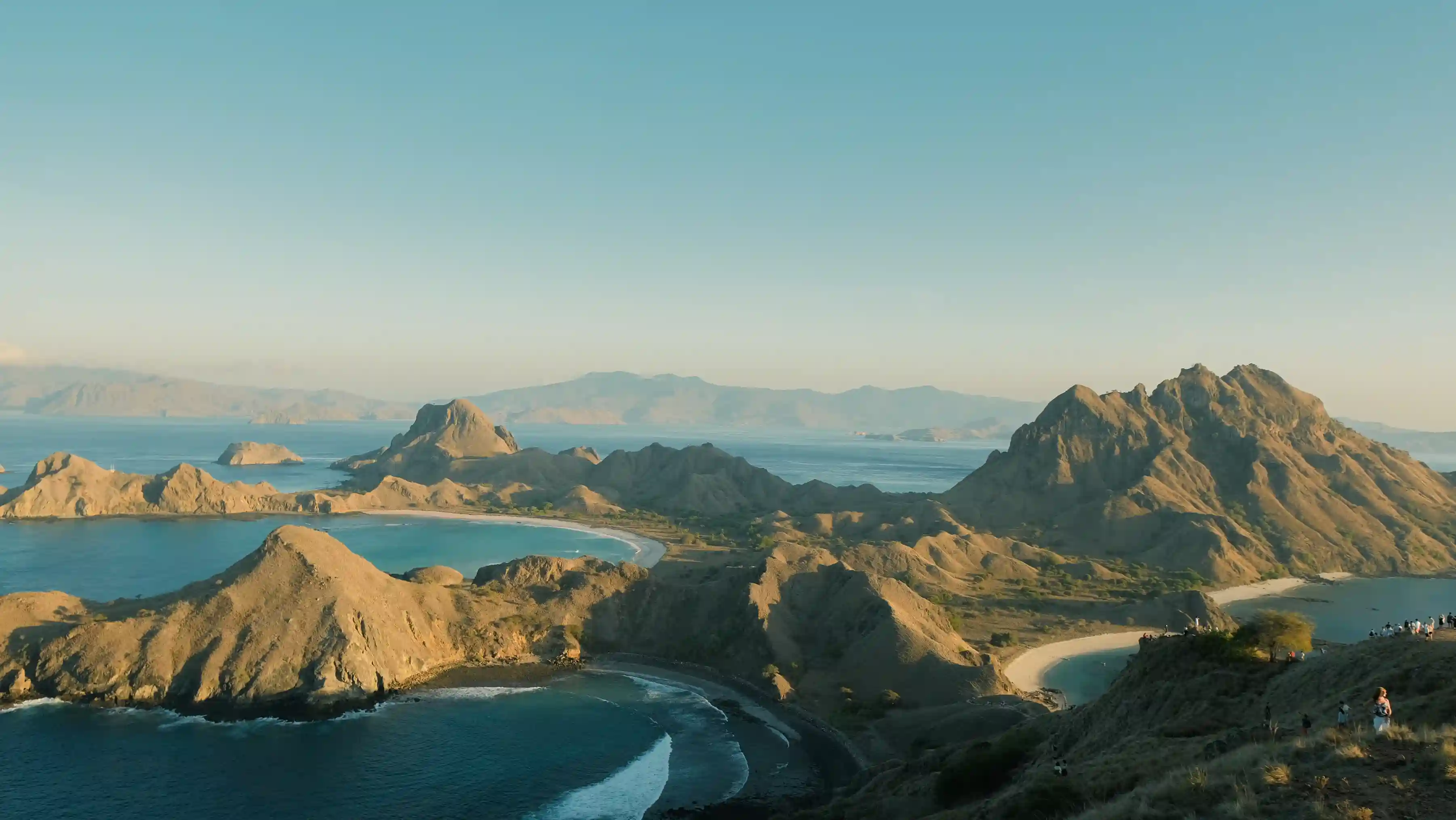
Send your dates and we will come back with live cabin availability on Aura Suci.
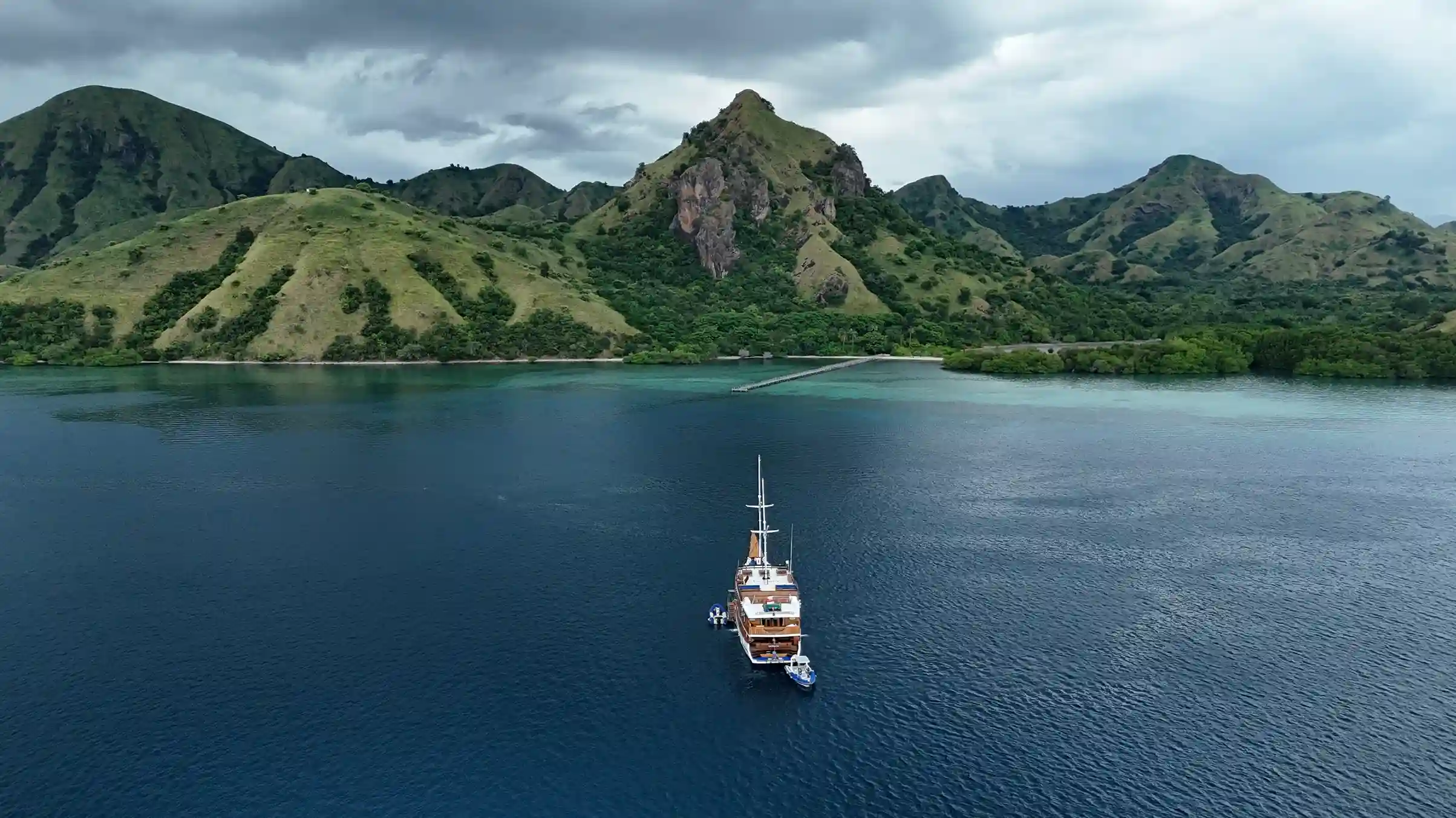
From the journal
More reading

Komodo Open Trip 3D2N vs Private Wellness Charter (2026)
For wellness-minded travellers, the decision usually comes down to privacy versus price. A Komodo open trip 3D2N with shared cabins…
Read more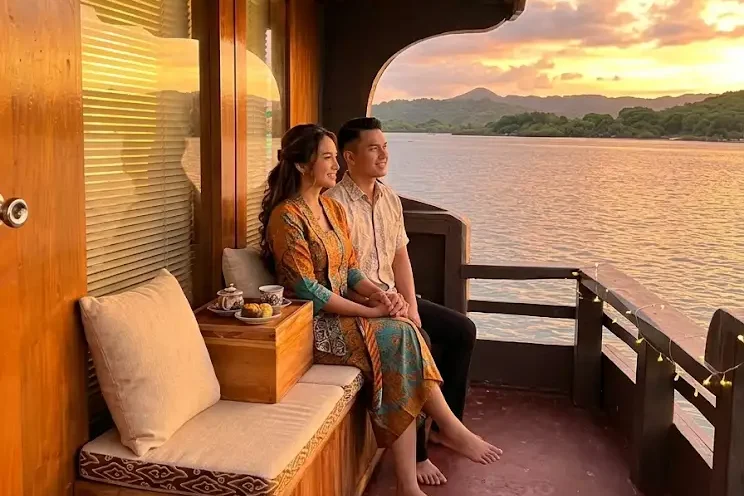
Every Cabin With a Private Balcony: Why That Is Rare on a 30m Komodo Phinisi
Every cabin on Aura Suci opens onto its own private balcony — and on a 30-metre wooden phinisi, that is…
Read more
One Phinisi, 24 Guests: The 2027 Charter Math for Large Groups in Komodo
If you are looking for a Komodo phinisi for large groups, here is the direct answer: Aura Suci, a 30-metre…
Read more
Sail Komodo with Aura Suci
Eight en-suite cabins, every one with its own balcony, and a crew who read these tides daily.