
Komodo Dragons Up Close: Rinca vs Komodo Island for Trekking in 2027
For an memorable experience with the legendary Komodo Dragons, explore both Rinca and Komodo Island treks in 2027. With distinct habitats and dragon populations, each island offers unique encounters, easily …
- Published 30 June 2026
- Read time 8 min
For an memorable experience with the legendary Komodo Dragons, explore both Rinca and Komodo Island treks in 2027. With distinct habitats and dragon populations, each island offers unique encounters, easily accessed via liveaboard trips like those offered by Aura Suci Liveaboard, where adventure meets comfort.
Understanding Komodo National Park
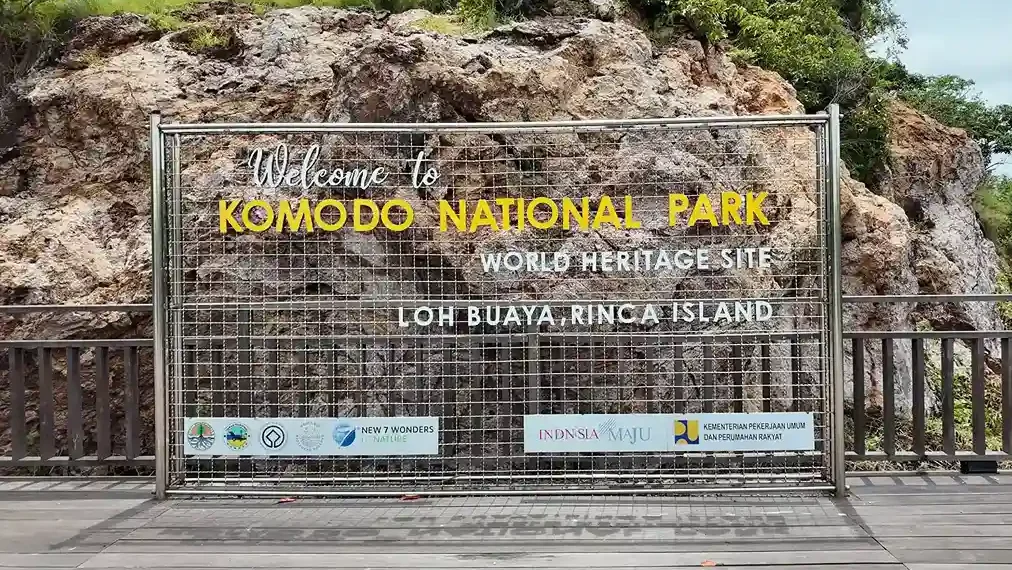
Komodo National Park, a UNESCO World Heritage Site, spans across several islands in Indonesia. The park is renowned for its biodiversity, particularly the Komodo Dragons, the largest lizards on Earth. The park’s terrain varies from rugged hillsides to lush forests, providing diverse habitats that support a range of wildlife.
Access to the park is generally via Labuan Bajo, located on the island of Flores. From here, liveaboards such as Aura Suci Liveaboard offer comprehensive packages that include both diving and trekking. This provides an excellent opportunity to combine encounters with marine life at dive sites like Batu Bolong and terrestrial treks to see Komodo Dragons.
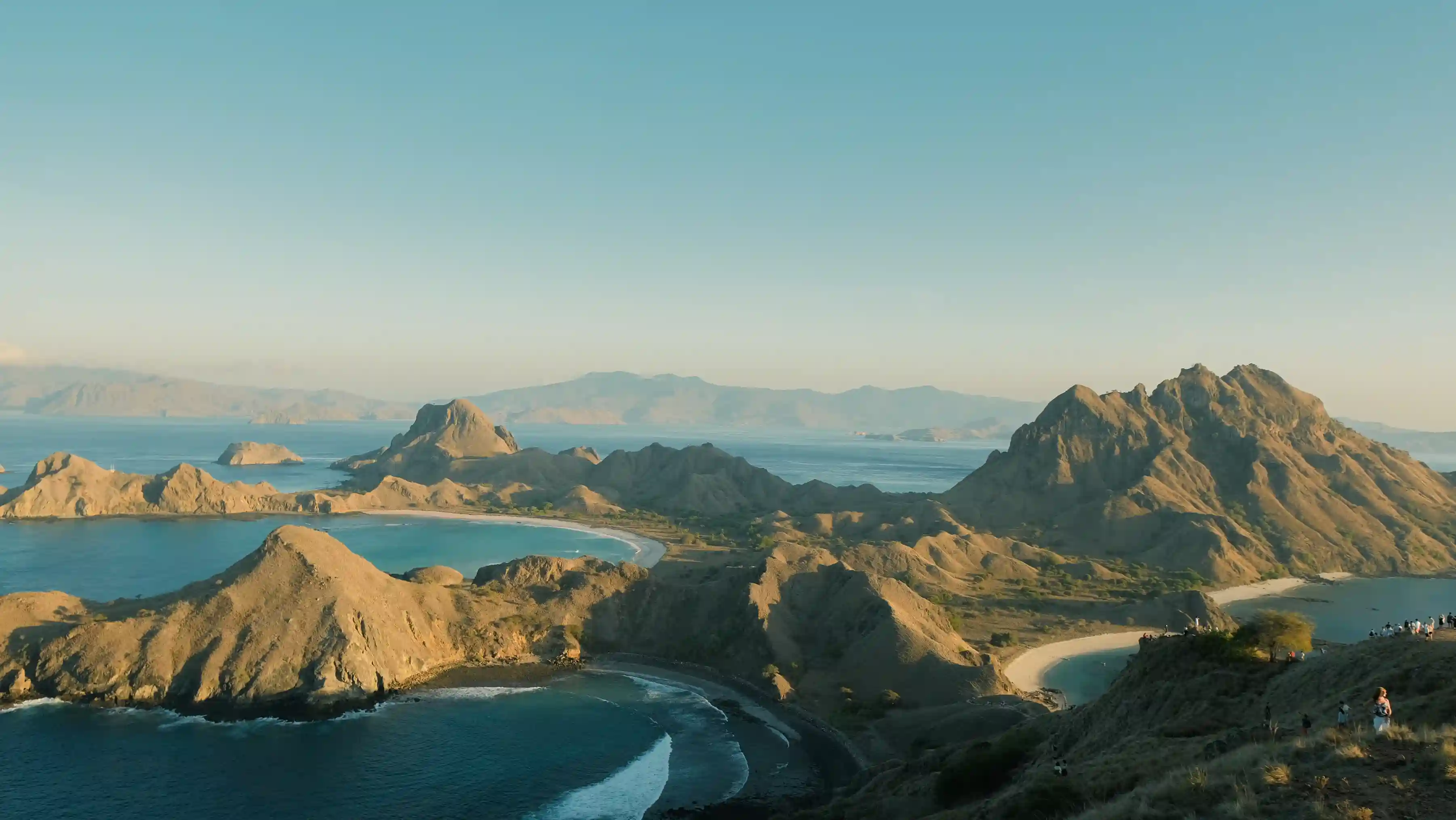
The park also offers unique geological features, with its islands formed by volcanic activity. This has resulted in a rugged landscape characterized by steep hills and deep bays, contributing to the rich diversity of flora and fauna. Visitors can explore the park’s natural beauty year-round, with peak visitation typically occurring between April and November.
Rinca Island: A Closer Look
Rinca Island is smaller than Komodo Island but offers equally impressive experiences with Komodo Dragons. Due to its size, visitors often find it easier to spot dragons in their natural habitat. The island’s landscape is rugged and arid, creating a dramatic backdrop for wildlife photography.
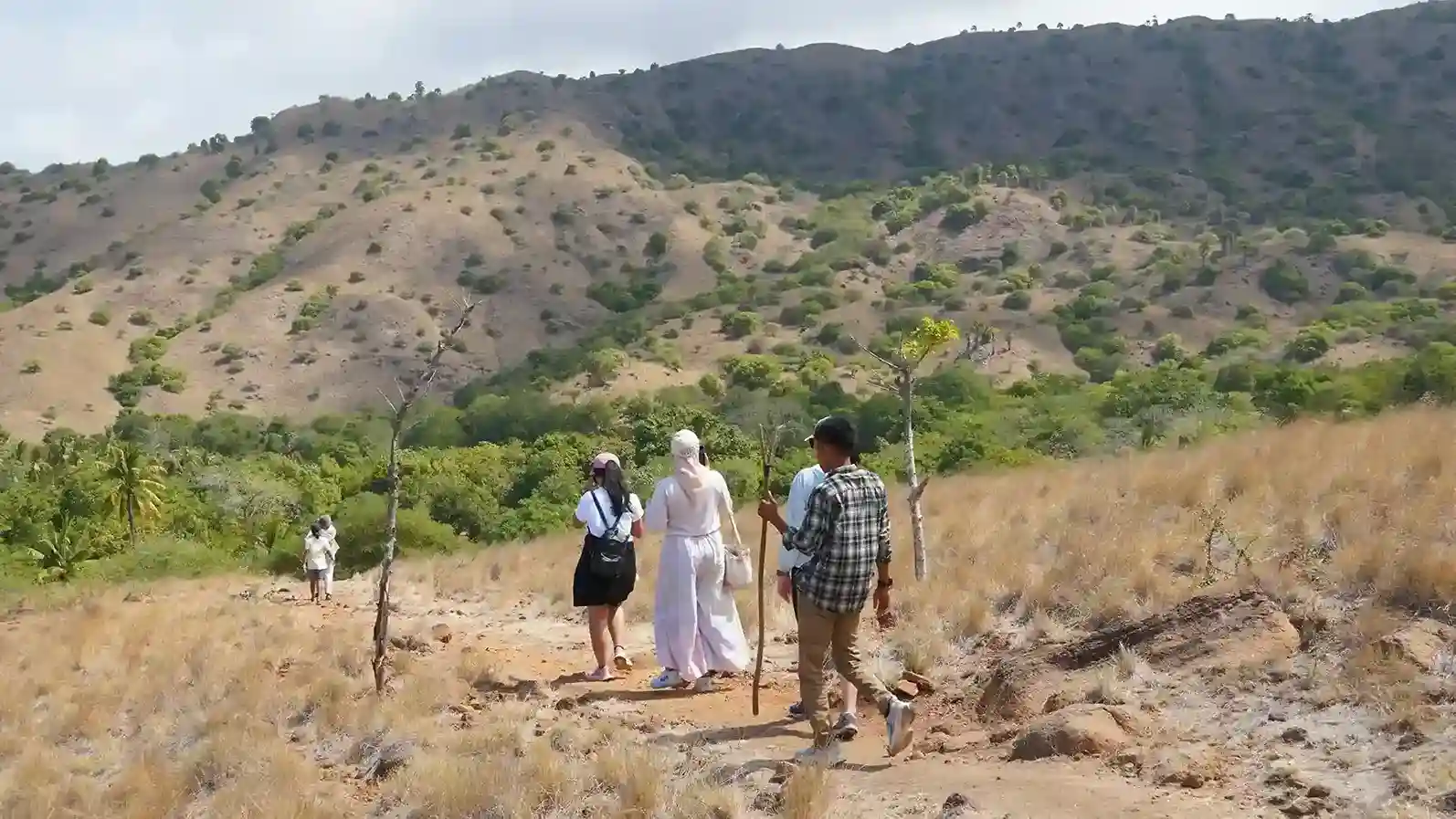
Trekking on Rinca can vary in difficulty, with several trails to suit different fitness levels. The shorter trek might last an hour, while longer ones could extend to two or more, offering greater chances to observe dragons hunting or basking in the sun. The entry fee to Rinca, typically around USD 10-15, is part of broader park conservation fees.
Beyond the dragons, Rinca Island offers sightings of other wildlife such as buffalo, wild pigs, and various bird species. The island’s dry savannah landscape is dotted with lontar palms and is particularly striking against the turquoise waters surrounding it. The best time to visit Rinca is during the dry season from May to October when conditions are optimal for trekking and wildlife visibility.
Komodo Island: The Iconic Experience
Komodo Island is perhaps the most famous location within the national park. It features a larger population of dragons, which can be seen close to the ranger station or further afield during guided treks. These excursions provide insights into the behavior and ecology of the dragons.
The treks on Komodo are more demanding than those on Rinca, with some routes covering steep and hilly terrain. A typical trek lasts about two hours, with guides ensuring safety and enriching the experience with their knowledge. Entry fees are similar to those at Rinca, contributing to the park’s conservation efforts.
Komodo Island also boasts Pink Beach, one of only seven pink sand beaches in the world, which is a popular spot for snorkeling and relaxation. The island’s lush vegetation contrasts beautifully with its white sandy beaches, and the surrounding coral reefs are teeming with marine life. Visitors can experience the island’s natural charm throughout the year, with optimal hiking and beach conditions from April to November.
Diving Highlights in Komodo
Aura Suci Liveaboard offers a range of diving experiences that highlight the rich marine biodiversity of Komodo. Dive sites such as Batu Bolong and Manta Point provide opportunities to see dense fish populations and manta rays. The strong currents in these areas make for thrilling dives, especially at slack tide.
Other notable sites include Castle Rock and Crystal Rock, known for their grey reef sharks and giant trevally. For less intense experiences, Tatawa Besar offers a gentle drift dive amidst lively coral gardens. Water temperatures vary, with the north and central sites remaining warm at 27-29°C, while the southern sites are cooler due to Indian Ocean upwellings.
Karang Makassar, also known as Manta Point, is famous for its manta cleaning stations where divers can witness manta trains gliding gracefully in the currents. Manta Alley in the south is a hotspot for manta rays, especially during the cool upwelling season from June to September. The diverse dive sites cater to both novice divers and seasoned adventurers, making Komodo a sought-after destination for underwater exploration.
Choosing the Right Liveaboard Experience
When planning your trip, consider the duration and type of liveaboard experience that suits your interests. Shorter itineraries like a 3D2N trip offer a taste of central Komodo with around six to seven dives. Longer voyages, such as a 6D5N journey, allow for a comprehensive exploration of north, central, and southern dive sites.
Prices for these trips vary depending on the level of comfort. Budget options start at around USD 160 per day, while mid-range and luxury options can exceed USD 450 per day. Aura Suci Liveaboard ensures a blend of adventure and relaxation, with daily schedules that include multiple dives, land excursions, and sunset treks.
The liveaboard experience is enhanced by knowledgeable crew members who offer insights into the local marine and terrestrial environments. Guests can enjoy amenities such as comfortable cabins, freshly prepared meals, and opportunities for evening relaxation under the stars. Bookings are recommended well in advance, especially during peak seasons, to secure desired itineraries and accommodations.
Best Time to Visit and Practical Information
The best season for diving in the north and central parts of Komodo is from April to November when the weather is driest, and currents are strongest between July and September. For those interested in the unique macro life and manta rays in the south, the peak season is from June to September.
When visiting Komodo National Park, remember to respect local regulations and guidelines, which are in place to protect the delicate ecosystems of both the land and sea. Be prepared for variable weather conditions, especially if traveling during the shoulder seasons of December to March.
Travelers should also consider the cultural aspects of the region, as the local communities have rich traditions and customs. Engaging with village tours can provide a deeper understanding of the indigenous way of life. It’s advisable to carry local currency (IDR) for transactions, as credit card facilities may be limited in remote areas.
Exploring Komodo’s Mainland and Beyond
Apart from the renowned dragon islands, the mainland areas near Komodo National Park, such as Labuan Bajo, offer additional attractions. Visitors can explore the busy fish markets, which showcase the region’s lively seafood trade, or enjoy a meal at local restaurants that serve traditional Indonesian cuisine.
Labuan Bajo serves as a access point to other exciting activities, including visiting the beautiful waterfalls and caves hidden in the dense jungles of Flores Island. Travelers can also start on cultural excursions to nearby traditional villages, where they can witness the weaving of ikat textiles and experience local hospitality.
For those looking to extend their adventure, a tour of Flores Island offers striking landscapes ranging from volcanic lakes to rice terraces. The island’s interior is a trekker’s region, with trails leading through lush forests and up to panoramic viewpoints. The dry season from May to September is ideal for these excursions, providing clear skies and manageable trekking conditions.
FAQs
Q? How close can you get to the Komodo Dragons? A: While trekking on Rinca or Komodo Island, you’ll be guided by experienced rangers who ensure a safe distance is maintained between visitors and the dragons. This is crucial as the dragons can be dangerous if they feel threatened.
Q? What should I bring for trekking? A: Comfortable walking shoes, lightweight clothing, a hat, and sunscreen are essential. Also, bring plenty of water to stay hydrated, and a camera to capture the striking landscapes and wildlife.
Q? Are there any health precautions to consider? A: It’s important to have up-to-date vaccinations, and carrying a small first aid kit is advisable. Be aware of the heat and humidity and take precautions against mosquito bites, as dengue fever is present in some parts of Indonesia.
For wider arrangements, our partner labuanbajoluxury can coordinate end to end.
See also: Komodo Marine Life in 2027: Sharks, Mantas, Turtles & 1,000 Reef Fish · Home.
Related reading
Send your dates and we will come back with live cabin availability on Aura Suci.
From the journal
More reading

Komodo Open Trip 3D2N vs Private Wellness Charter (2026)
For wellness-minded travellers, the decision usually comes down to privacy versus price. A Komodo open trip 3D2N with shared cabins…
Read more
Every Cabin With a Private Balcony: Why That Is Rare on a 30m Komodo Phinisi
Every cabin on Aura Suci opens onto its own private balcony — and on a 30-metre wooden phinisi, that is…
Read more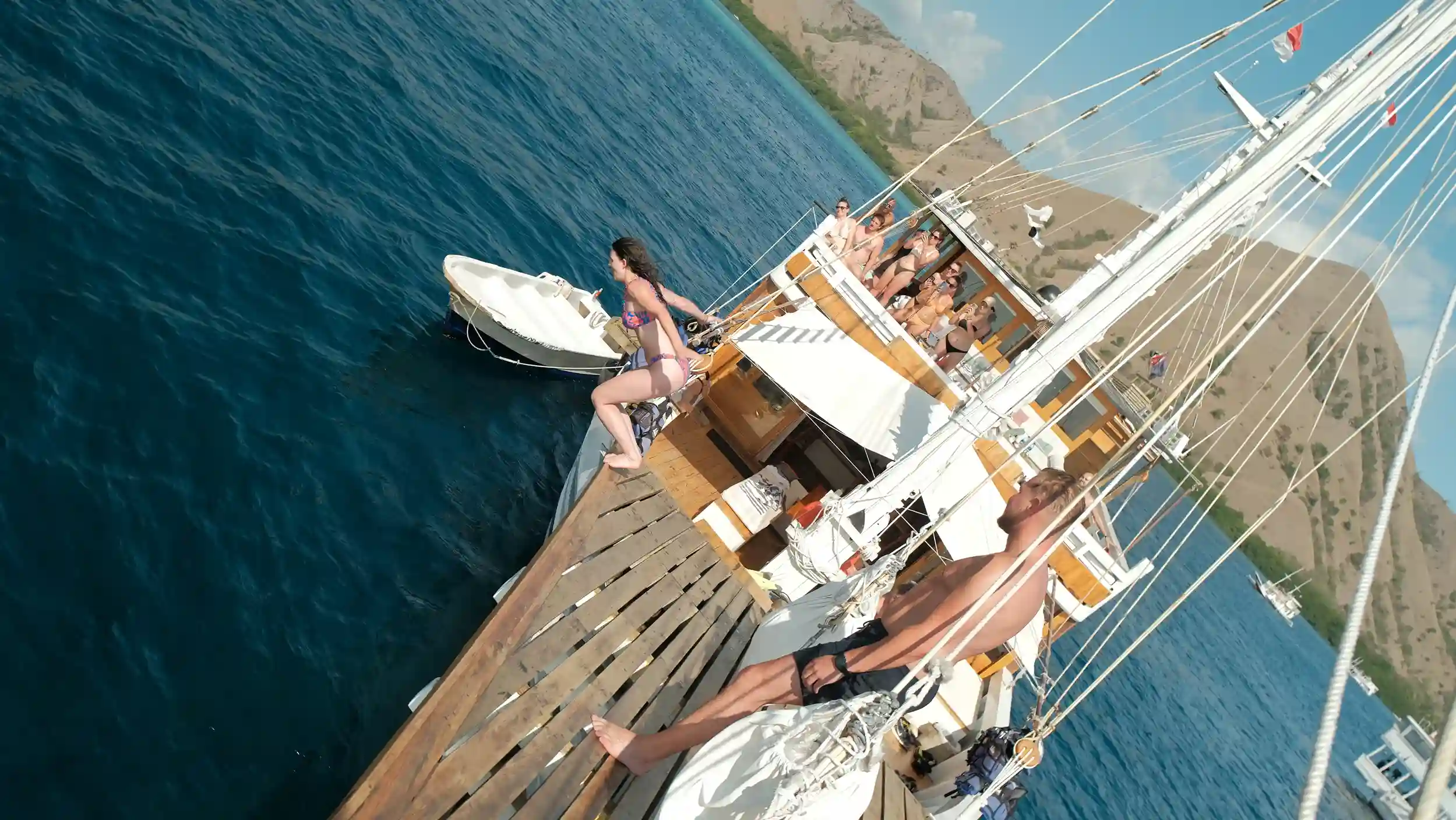
One Phinisi, 24 Guests: The 2027 Charter Math for Large Groups in Komodo
If you are looking for a Komodo phinisi for large groups, here is the direct answer: Aura Suci, a 30-metre…
Read more
Sail Komodo with Aura Suci
Eight en-suite cabins, every one with its own balcony, and a crew who read these tides daily.