
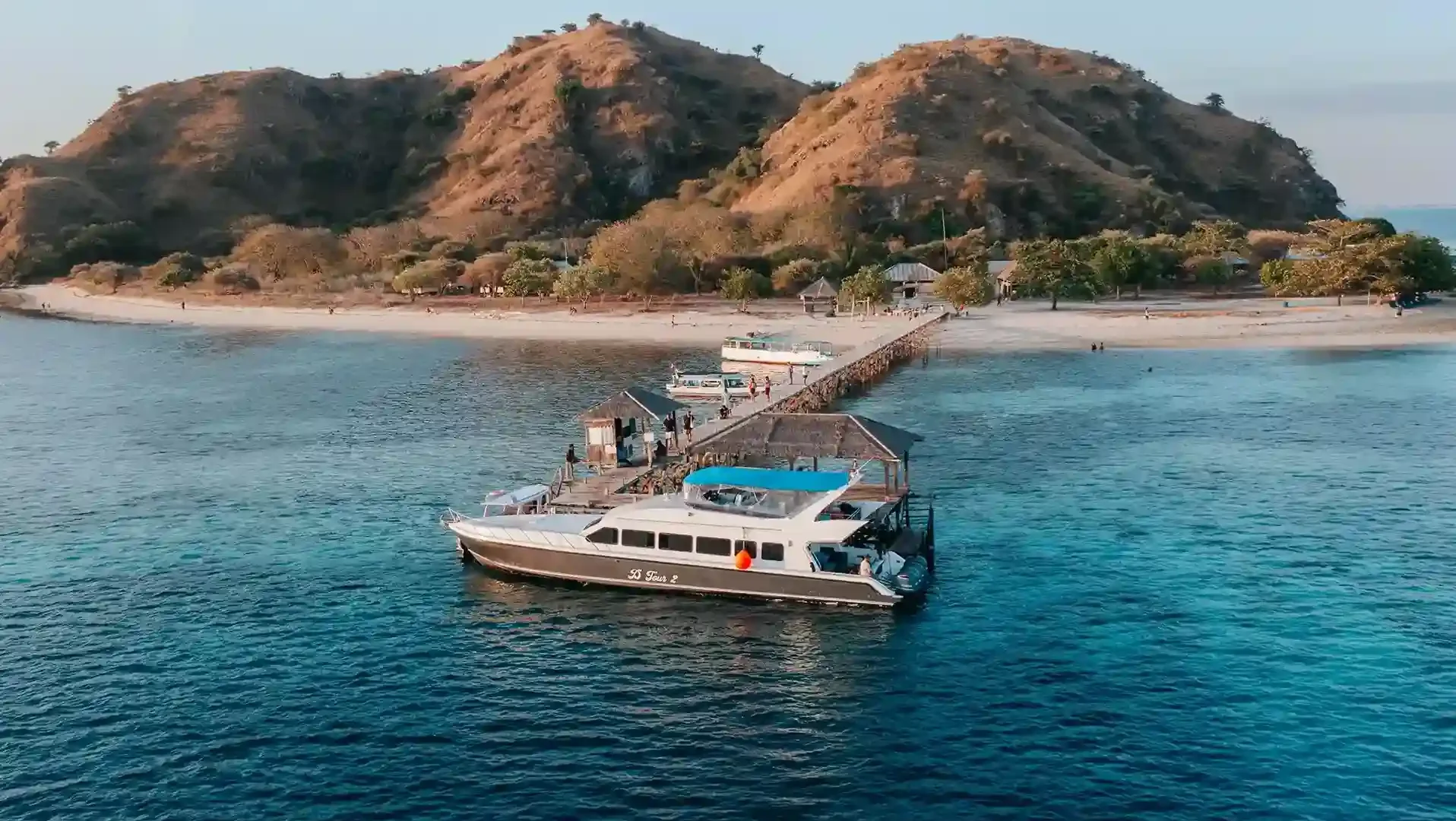
Komodo Liveaboard vs Day Trips vs Dive Resort: The 2027 Decision Guide
Choosing between a Komodo liveaboard, day trips, or a dive resort requires balancing dive site access, cost, and convenience. Liveaboards offer extensive site coverage and flexible schedules, while day trips …
- Published 1 July 2026
- Read time 8 min
Choosing between a Komodo liveaboard, day trips, or a dive resort requires balancing dive site access, cost, and convenience. Liveaboards offer extensive site coverage and flexible schedules, while day trips and resorts provide localized diving convenience. Consider dive goals, budget, and time when planning your Komodo exploration.
Komodo Liveaboard Experience
The Komodo liveaboard experience is characterized by extensive dive site coverage and a flexible diving schedule. Aboard a liveaboard, divers can access remote sites like Batu Bolong, renowned for its dense fish biomass and white-tip sharks, only dived at slack tide for optimal conditions. This central pinnacle offers a striking display of marine life that captivates even the most seasoned divers. The northern sites of Castle Rock and Crystal Rock offer thrilling encounters with grey reef sharks and giant trevally, requiring negative entries due to strong currents that appeal to adrenaline-seeking divers.
Liveaboards typically offer trips ranging from 3-day to 8-day durations. A 6D5N itinerary is often the minimum to adequately cover both central sites and include a special day at southern highlights such as Cannibal Rock or Manta Alley. Cannibal Rock, located in Nusa Kode, is celebrated for its muck and macro diving, revealing hidden treasures like pygmy seahorses, frogfish, and lively nudibranchs. Prices vary, with budget phinisi options starting around USD 160-250 per day and luxury choices reaching USD 450-800+ per day. This wide coverage ensures a rich diving experience, with 3-4 dives per day and the option for night dives or sunset treks, often accompanied by a remarkable view of the sun setting over the rugged Komodo landscapes.
Day Trips from Labuan Bajo
Day trips from Labuan Bajo are ideal for divers who prefer a base on land or have limited time. These trips primarily focus on central dive sites like Karang Makassar, known for year-round manta ray presence, where divers can witness the mesmerizing manta trains gliding gracefully through the water. Day trips are generally more economical, with prices ranging from USD 100-150 per trip, including 2-3 dives. This makes them a practical choice for budget-conscious travelers or those new to diving, as it allows for a taste of Komodo’s underwater marvels without the need for a long-term commitment.
The limitations of day trips include less flexibility in site choice and timing, as trips are often restricted to areas accessible within a single day. The experience can vary with weather and sea conditions, particularly as the best diving months are April to November when the skies are clear and the waters teem with life. During the off-season, the focus shifts to sheltered central bays, requiring more planning for optimal conditions. While the convenience of returning to land each day is appealing, divers may miss out on the more distant and diverse dive sites reached by liveaboards.
Dive Resorts in Komodo
Dive resorts offer a comfortable balance between liveaboard coverage and day trip convenience. Resorts like Komodo Resort and Scuba Junkie Komodo provide access to central and some northern sites. These resorts offer dive packages that cater to both divers and non-divers, with prices typically ranging from USD 200-400 per night, including meals and diving. For instance, a stay at Komodo Resort offers not just diving but a chance to relax on a private beach or explore the lush surroundings after a day of underwater exploration.
Staying at a resort allows divers to enjoy a stable base with additional amenities and the flexibility to explore the local culture and landscapes in Komodo. Although the dive site reach is not as extensive as liveaboards, the comfort and convenience of a resort stay can enhance the overall experience, especially for families or groups with mixed interests. Divers can engage in cultural excursions or enjoy the lively sunsets over the horizon, making the trip a holistic adventure beyond just diving.
Comparing Costs and Value
When comparing costs, liveaboards generally provide a higher upfront expense compared to day trips and resorts. However, the value of a liveaboard lies in its comprehensive access to Komodo’s diverse dive sites and the unique onboard experience. Budget liveaboards start from USD 480 for a 3D2N trip, while mid-range options offer more amenities for around USD 750-1200 for a 4D3N adventure, ensuring a blend of adventure and comfort.
In contrast, day trips allow for incremental spending, making them suitable for those on a tighter budget. Divers can enjoy iconic sites like Tatawa Besar, known for its easier orange soft-coral drifts, without breaking the bank. Dive resorts strike a middle ground, with all-inclusive packages that simplify cost management. Ultimately, the decision depends on the diver’s priorities—whether they seek extensive site coverage, budget flexibility, or a balance of comfort and accessibility. Each option presents its own unique value, tailored to different diving ambitions and lifestyle preferences.
Optimal Seasons and Conditions
Komodo’s dive conditions vary significantly between the north-central and southern regions. The best diving season in the north and central areas runs from April to November, coinciding with the driest period and the strongest currents from July to September. Water temperatures here range from 27-29°C with visibility from 15-30 meters, ideal for exploring Batu Bolong and Karang Makassar. The exhilarating drifts at Golden Passage, a high-energy tidal channel, offer divers an incredible rush as they glide past lively reefs and abundant marine life.
The southern sites, including Cannibal Rock and Manta Alley, are best visited between June and September. During these months, cooler waters from the Indian Ocean create upwelling conditions, reducing visibility to 10-20 meters but attracting a plethora of macro species and manta rays. Divers can witness the grand mantas in their natural habitat, enjoying their playful interactions and cleaning rituals. The combination of these unique seasonal conditions ensures that every diving adventure in Komodo is distinct and rewarding, offering experiences that few other places in the world can match.
Planning Your Komodo Dive Adventure
When planning a Komodo dive adventure, consider personal preferences, dive goals, and logistical factors. Liveaboards offer the broadest access and are ideal for those seeking an immersive diving experience with the flexibility of site selection. They are particularly suited for experienced divers eager to tackle challenging dives like Castle Rock or Crystal Rock, where the strong currents provide an adrenaline-pumping environment.
For those with time constraints or a desire for land-based comforts, day trips and dive resorts offer viable alternatives. Day trips provide immediate access to key sites, while resorts offer a blend of relaxation and diving convenience. As Komodo continues to be a sought-after destination, early planning and booking are advisable to secure preferred dates and accommodations. Whether seeking the thrill of the deep or the serene beauty of the reefs, Komodo offers an exceptional diving experience tailored to various preferences and interests.
Understanding Komodo’s Marine Diversity
Komodo’s rich marine biodiversity is one of its most compelling attractions. The region’s location at the confluence of the Indian and Pacific Oceans creates a unique environment that supports a vast array of marine life. From the lively coral gardens to the deep blue waters teeming with pelagics, Komodo’s underwater world is a diver’s region.
The coral reefs around Komodo are home to over 1,000 species of fish and 260 species of reef-building corals. This diversity is most apparent at sites like Cannibal Rock, where divers can spot rare and unusual species rarely seen elsewhere. The nutrient-rich waters also support large populations of iconic creatures like manta rays, which can be seen gliding gracefully at sites such as Manta Point and Manta Alley. These encounters offer divers a chance to observe the complex interactions and behaviors of marine life in their natural habitats.
Understanding and appreciating the ecological significance of Komodo’s marine diversity is crucial for its conservation. With increasing numbers of visitors, sustainable practices and responsible diving are essential to preserve this ecological wonder for future generations. Dive operators and conservation organizations are actively working to ensure that the region’s natural beauty remains intact, promoting awareness and education among divers and tourists alike.
FAQs
What is the best time to dive in Komodo? The optimal diving season in Komodo runs from April to November for northern and central sites, while the southern sites are best explored from June to September due to cooler water upwellings.
How much does a liveaboard trip in Komodo cost? Liveaboard prices in Komodo vary, with budget options starting around USD 160 per day and luxury choices reaching USD 800+ per day. These prices include accommodation, meals, and diving activities.
Can beginners dive in Komodo? Yes, beginners can dive in Komodo, particularly at easier sites like Tatawa Besar. It’s recommended that beginners start with day trips or resorts that offer guided dives tailored to skill levels.
For wider arrangements, our partner labuanbajoluxury can coordinate end to end.
See also: Komodo Manta Season 2027: When North, Central & South Peak, Komodo vs Raja Ampat in 2027: Which Liveaboard Should You Book First? · Home.
Related reading
Send your dates and we will come back with live cabin availability on Aura Suci.
From the journal
More reading

Komodo Open Trip 3D2N vs Private Wellness Charter (2026)
For wellness-minded travellers, the decision usually comes down to privacy versus price. A Komodo open trip 3D2N with shared cabins…
Read more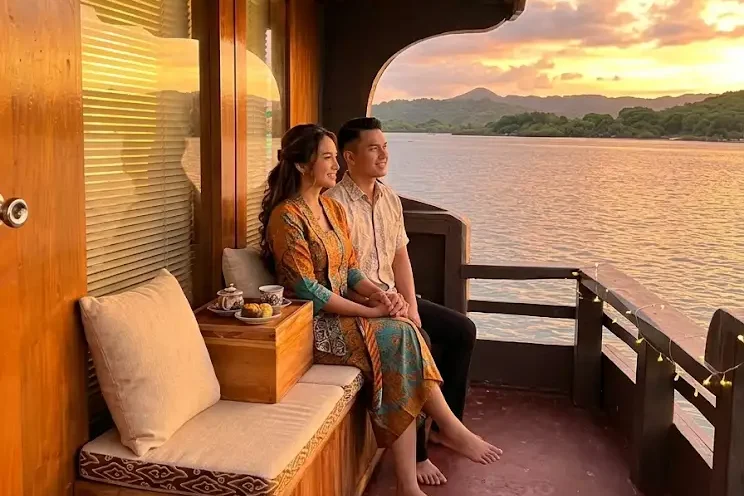
Every Cabin With a Private Balcony: Why That Is Rare on a 30m Komodo Phinisi
Every cabin on Aura Suci opens onto its own private balcony — and on a 30-metre wooden phinisi, that is…
Read more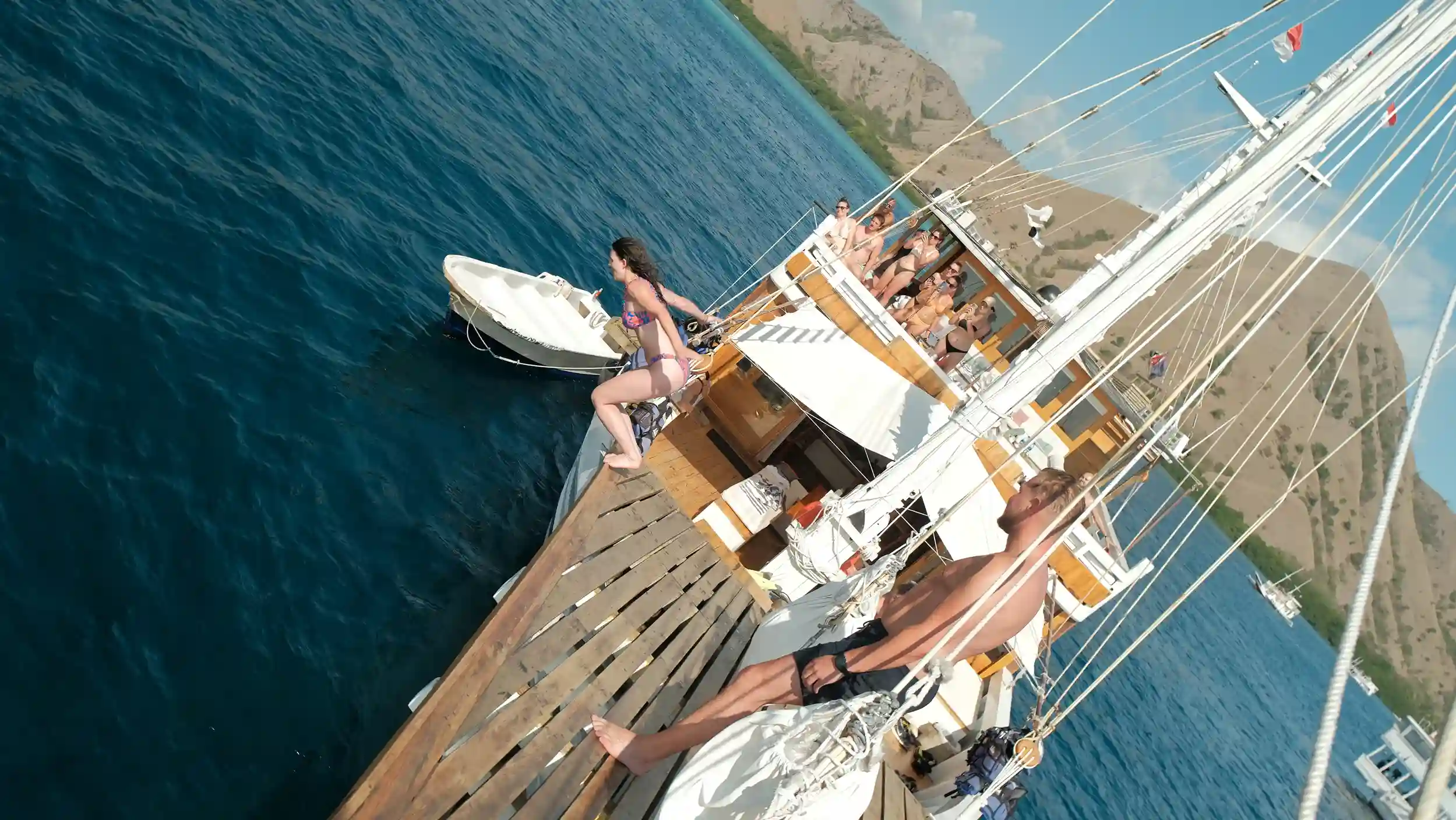
One Phinisi, 24 Guests: The 2027 Charter Math for Large Groups in Komodo
If you are looking for a Komodo phinisi for large groups, here is the direct answer: Aura Suci, a 30-metre…
Read more
Sail Komodo with Aura Suci
Eight en-suite cabins, every one with its own balcony, and a crew who read these tides daily.