
Mantas, Moorings & Citizen Science: Komodo Conservation Travel in 2027
Explore Komodo's marine wonders in 2027 with Aura Suci Liveaboard. Journey through Manta hotspots, Moorings in lively waters, and contribute to Citizen Science. Dive into Komodo's conservation efforts through structured …
- Published 18 July 2026
- Read time 9 min
Key Takeaways
- Batu Bolong offers dense fish biomass and white-tip sharks; dive during slack tide for safety.
- For advanced divers, Castle and Crystal Rock provide thrilling negative entries with strong currents and predator action.
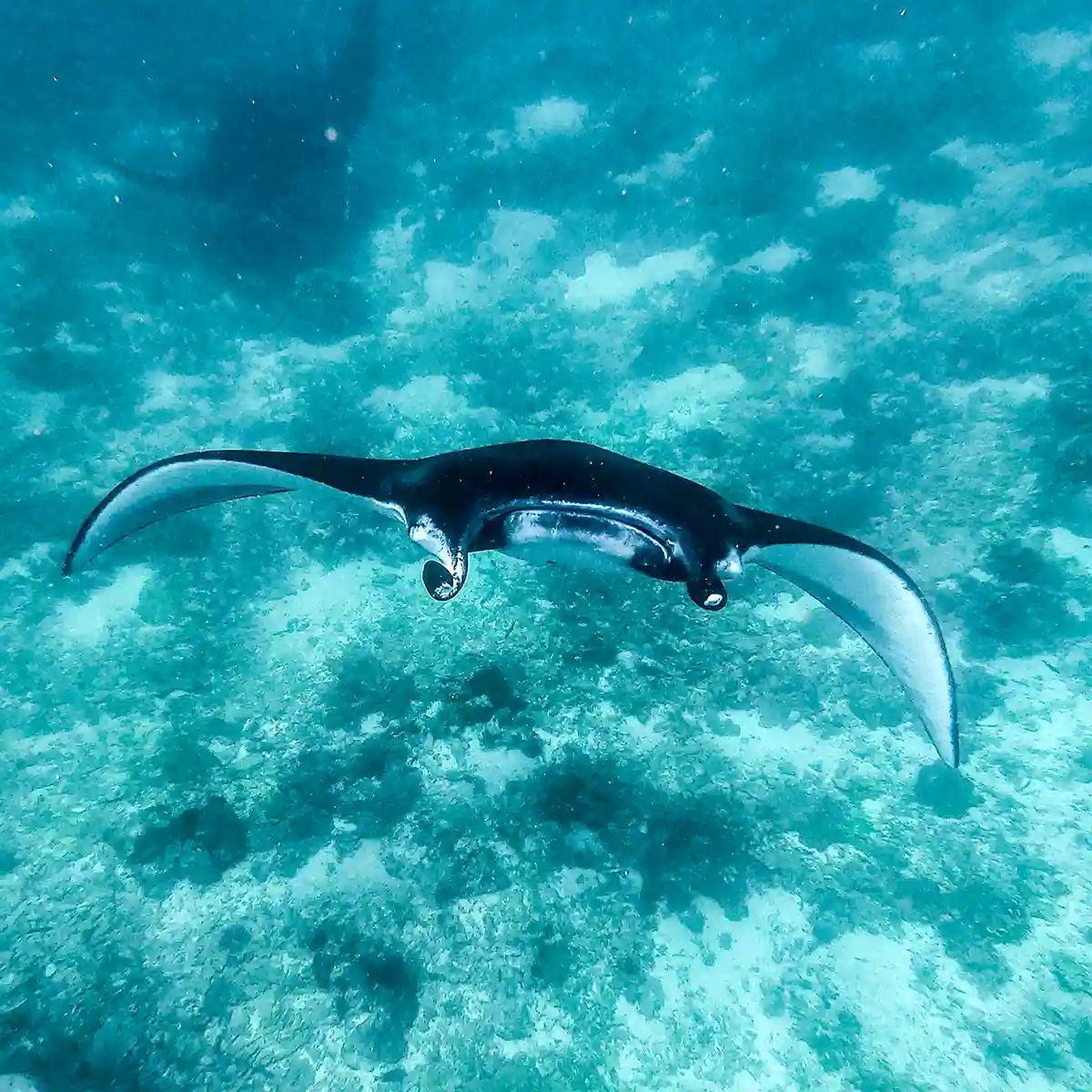
- Karang Makassar and Manta Alley are prime spots for observing majestic manta rays in their natural habitats.
- Explore Cannibal Rock for exceptional muck diving; see pygmy seahorses, frogfish, and vibrant nudibranchs.
Explore Komodo’s marine wonders in 2027 with Aura Suci Liveaboard. Journey through Manta hotspots, Moorings in lively waters, and contribute to Citizen Science. Dive into Komodo’s conservation efforts through structured itineraries, balancing adventure and ecological insight across mesmerizing dive sites and dynamic ecosystems.
Discover the Iconic Dive Sites of Komodo
The Komodo National Park is a diver’s haven, renowned for its diverse marine life and challenging dive sites. Batu Bolong, situated in the central Komodo area, is a pinnacle dive site known for its dense biomass of fish that swirl around divers in mesmerizing patterns. This site, while rewarding, is best dived at slack tide due to its powerful currents. In the north, Castle Rock and Crystal Rock are must-visit seamounts where divers can experience negative entries and strong currents that bring grey reef sharks and giant trevally into view.
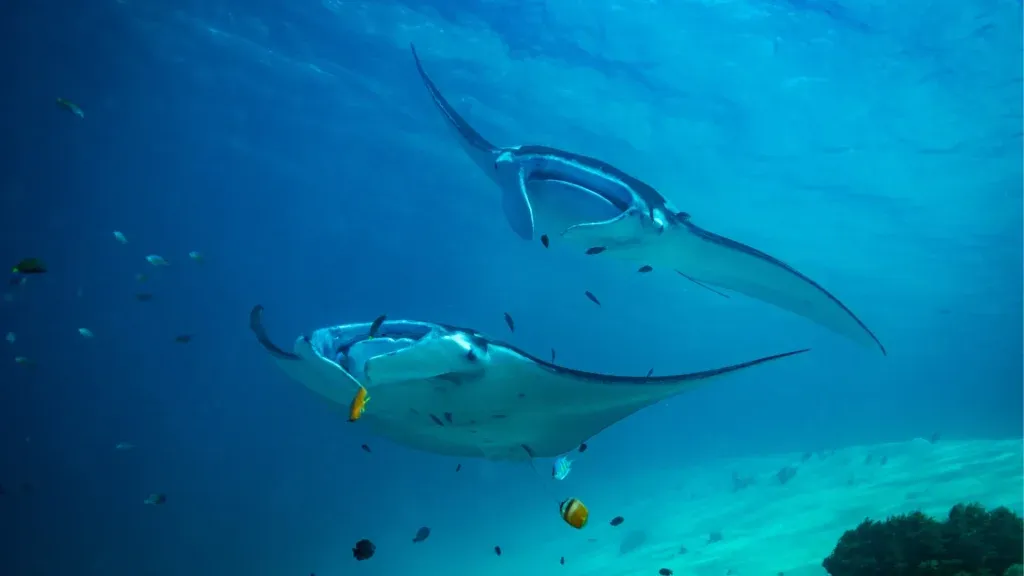
For manta ray enthusiasts, Karang Makassar, often referred to as Manta Point or Makassar Reef, offers a unique opportunity to witness manta cleaning stations and observe the grand “manta trains.” Meanwhile, in the south of Komodo, Manta Alley near the Indian Ocean is a hotspot for manta aggregations, especially during the cooler months of June through September. The varied topography of these sites, including steep walls and coral gardens, provides a lively habitat for marine life.
Cannibal Rock, located in the south at Nusa Kode, is another gem for those interested in muck diving and macro photography. This site is famous for its unique critters, where you might spot pygmy seahorses camouflaged among sea fans, alongside frogfish and colorful nudibranchs. Tatawa Besar offers a more relaxed diving experience with its orange soft-coral drifts, ideal for divers who appreciate the beauty of coral gardens swaying in the gentle currents.
Seasonal Diving Conditions
Understanding the seasonal variations in Komodo is crucial for planning a successful diving expedition. North and central Komodo experience water temperatures ranging from 27 to 29 degrees Celsius, with visibility between 15 to 30 meters. This area is best explored from April to November, with the strongest currents occurring between July and September, providing thrilling drift dive experiences. These months coincide with the dry season, offering optimal weather conditions and increased chances of encountering larger pelagic species.
The southern regions, encompassing sites like Cannibal Rock and Manta Alley, present a different set of conditions. From June to September, the cool upwelling from the Indian Ocean reduces water temperatures to between 22 and 26 degrees Celsius, and visibility can drop to 10 to 20 meters due to thermoclines. This period is ideal for macro enthusiasts eager to find unique species like pygmy seahorses, frogfish, and nudibranchs. Visiting during this time allows divers to witness the rich biodiversity brought about by nutrient-rich waters, creating a unique diving experience.
Liveaboard Itineraries and Trip Durations
Aura Suci Liveaboard offers various itineraries tailored to both novice and experienced divers. A 3-day, 2-night trip allows guests to explore central sites with about 6 to 7 dives. A 4-day, 3-night itinerary expands the diving experience to approximately 9 to 11 dives, covering a broader range of central locations. These shorter trips are perfect for those with limited time, offering a taste of Komodo’s underwater magic.
For a more comprehensive adventure, a 6-day, 5-night tour is seen as the minimum duration to explore both the north and central Komodo, with an exciting day at south sites like Cannibal Rock or Manta Alley. Longer trips lasting 7 days and 6 nights or even 8 days and 7 nights provide an extensive Grand Komodo experience with up to 22 dives, ensuring ample time to explore every major underwater attraction. These longer excursions allow for deeper exploration into remote areas, offering the unique opportunity to experience the full spectrum of Komodo’s marine environments.
Daily Dive Schedules and Activities
The daily rhythm aboard Aura Suci ensures that each day is packed with diving and exploration. Typically, the day begins with a pre-breakfast dive, followed by 3 to 4 dives throughout the day. Divers have the option to participate in a night dive, adding a unique perspective to the underwater landscape. Night dives can reveal the park’s nocturnal inhabitants, such as the elusive Spanish dancer nudibranch or hunting moray eels.
In addition to diving, the itineraries include land or snorkel stops to experience the natural beauty above the waterline. A sunset trek is often on the agenda, offering striking views and a chance to encounter Komodo’s terrestrial wildlife, including the famed Komodo dragons. These excursions provide a balanced itinerary, combining underwater exploration with cultural and natural highlights of the region.
Pricing Structures for 2026-2027
Aura Suci Liveaboard offers a range of pricing options to suit different budgets, ensuring access to Komodo’s wonders for all diving enthusiasts. Budget-friendly phinisi cruises are available from USD 160 to 250 per day, approximately IDR 2.6 to 4.1 million. These provide a no-frills experience that focuses on the essentials of diving and exploration.
Mid-range options, priced between USD 250 and 400 per day (IDR 4.1 to 6.6 million), offer additional comforts and amenities for a more relaxed experience. For those seeking luxury and personalized service, boutique liveaboards range from USD 450 to 800 or more per day, translating to IDR 7.4 to 13.2 million, ensuring a high-end adventure with premium facilities and service. These pricing structures allow divers to select a package that best fits their comfort and preference for adventure, providing flexibility in planning their Komodo diving experience.
Citizen Science and Conservation Efforts
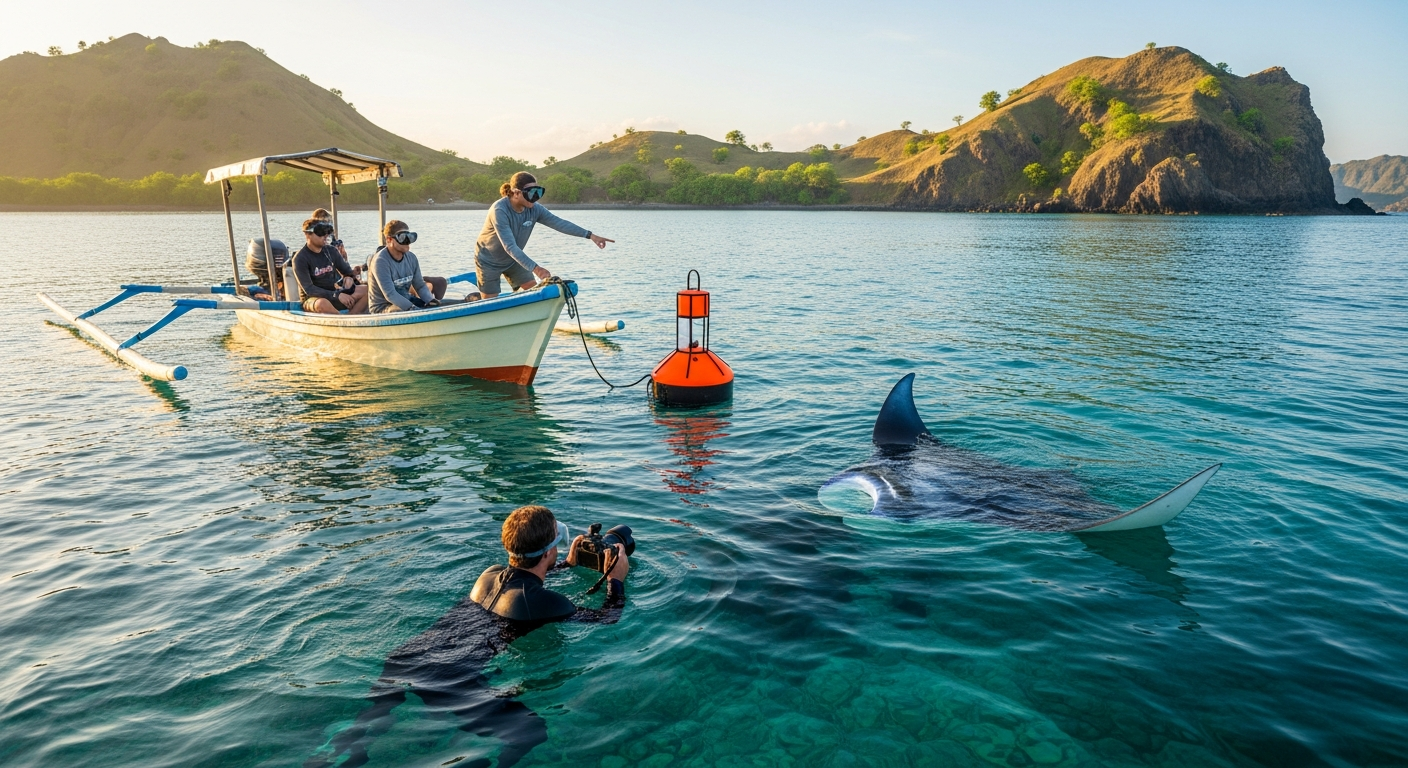
Contributing to conservation is at the heart of Aura Suci’s mission. Guests have the opportunity to engage in citizen science initiatives, helping to collect data on marine life and environmental conditions. This involvement aids in tracking manta populations and coral health, crucial for the ongoing preservation of Komodo’s marine biodiversity. The data gathered is shared with local and international conservation organizations to support global ocean health initiatives.
Participating in these efforts not only enhances the diving experience but also fosters a deeper connection with the ecosystem. By helping to protect these waters, divers become stewards of the ocean, ensuring that future generations can enjoy the same extraordinary experiences. These programs are designed to build awareness and involve divers in meaningful ways, contributing to the sustainable management of Komodo’s marine environments.
Komodo’s Unique Biodiversity and Conservation Challenges
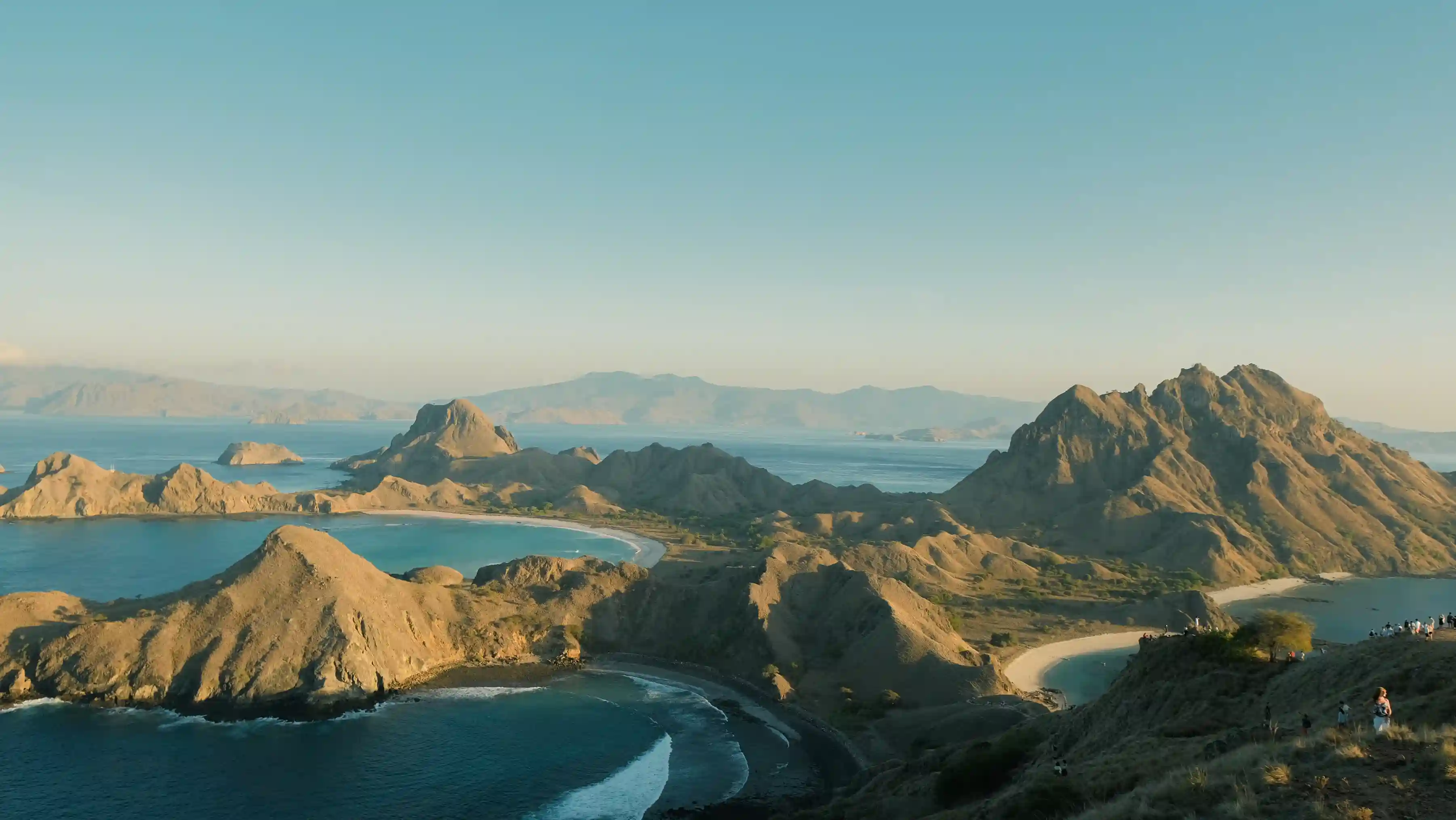
Komodo National Park is home to a remarkable array of marine and terrestrial biodiversity, earning its status as a UNESCO World Heritage Site. The park’s waters shelter over 1,000 species of fish, 260 species of reef-building coral, and six species of sharks. Divers often encounter turtles gliding gracefully through the waters, as well as the occasional dolphin pod swimming by. This diversity is supported by the park’s unique geographical location at the confluence of the Indian and Pacific Oceans, creating nutrient-rich waters that foster life.
Despite its natural wealth, Komodo faces several conservation challenges, including overfishing, coral bleaching, and the impacts of tourism. Effective management and community engagement are crucial to safeguarding its ecosystems. Initiatives such as enforced no-take zones and sustainable tourism practices are vital to preserving the park’s natural beauty. Aura Suci’s commitment to sustainable diving practices and education aims to mitigate these challenges and promote long-term conservation success.
FAQs
Q? When is the best time to dive in Komodo? A: The best time for diving in north and central Komodo is from April to November, with peak conditions occurring from July to September due to the strong currents that bring in rich marine life. For southern sites, the peak season is June to September, when cooler waters attract manta rays and macro species.
Q? How many dives will I do on a 6-day trip? A: On a 6-day, 5-night trip with Aura Suci Liveaboard, you can expect to complete around 15 to 18 dives. This itinerary is designed to cover both north and central Komodo and includes a day dedicated to exploring the rich biodiversity of southern sites like Cannibal Rock or Manta Alley.
Q? What should I expect in terms of water temperature and visibility? A: Water temperatures in north and central Komodo range from 27 to 29 degrees Celsius, with visibility between 15 to 30 meters. In the south, temperatures drop to 22 to 26 degrees Celsius during the upwelling season, with visibility ranging from 10 to 20 meters due to thermoclines and nutrient-rich waters.
For wider arrangements, our partner labuanbajoluxury can coordinate end to end.
Planning something bigger across Indonesia? A recommended partner is labuanbajoluxury.
Explore all aurasuciliveaboard.com options and plan your trip.
Further reading: the Komodo Yacht Charter Market Report 2026 publishes real rates from 179 vessels (median private phinisi USD 7,225/night).
Send your dates and we will come back with live cabin availability on Aura Suci.
From the journal
More reading

Komodo Open Trip 3D2N vs Private Wellness Charter (2026)
For wellness-minded travellers, the decision usually comes down to privacy versus price. A Komodo open trip 3D2N with shared cabins…
Read more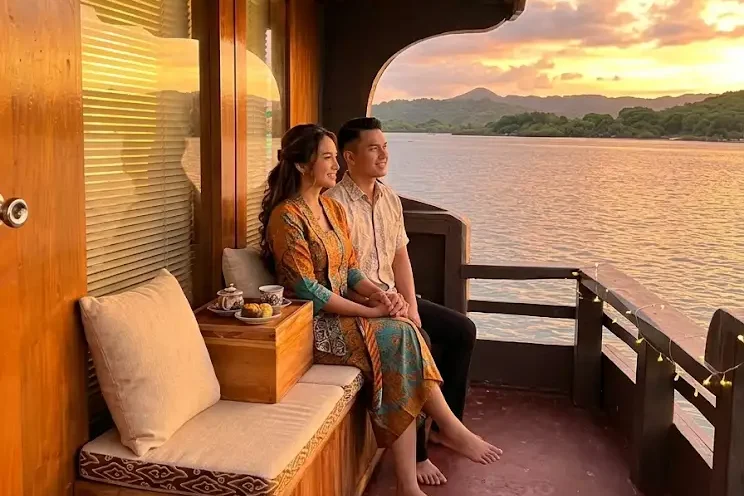
Every Cabin With a Private Balcony: Why That Is Rare on a 30m Komodo Phinisi
Every cabin on Aura Suci opens onto its own private balcony — and on a 30-metre wooden phinisi, that is…
Read more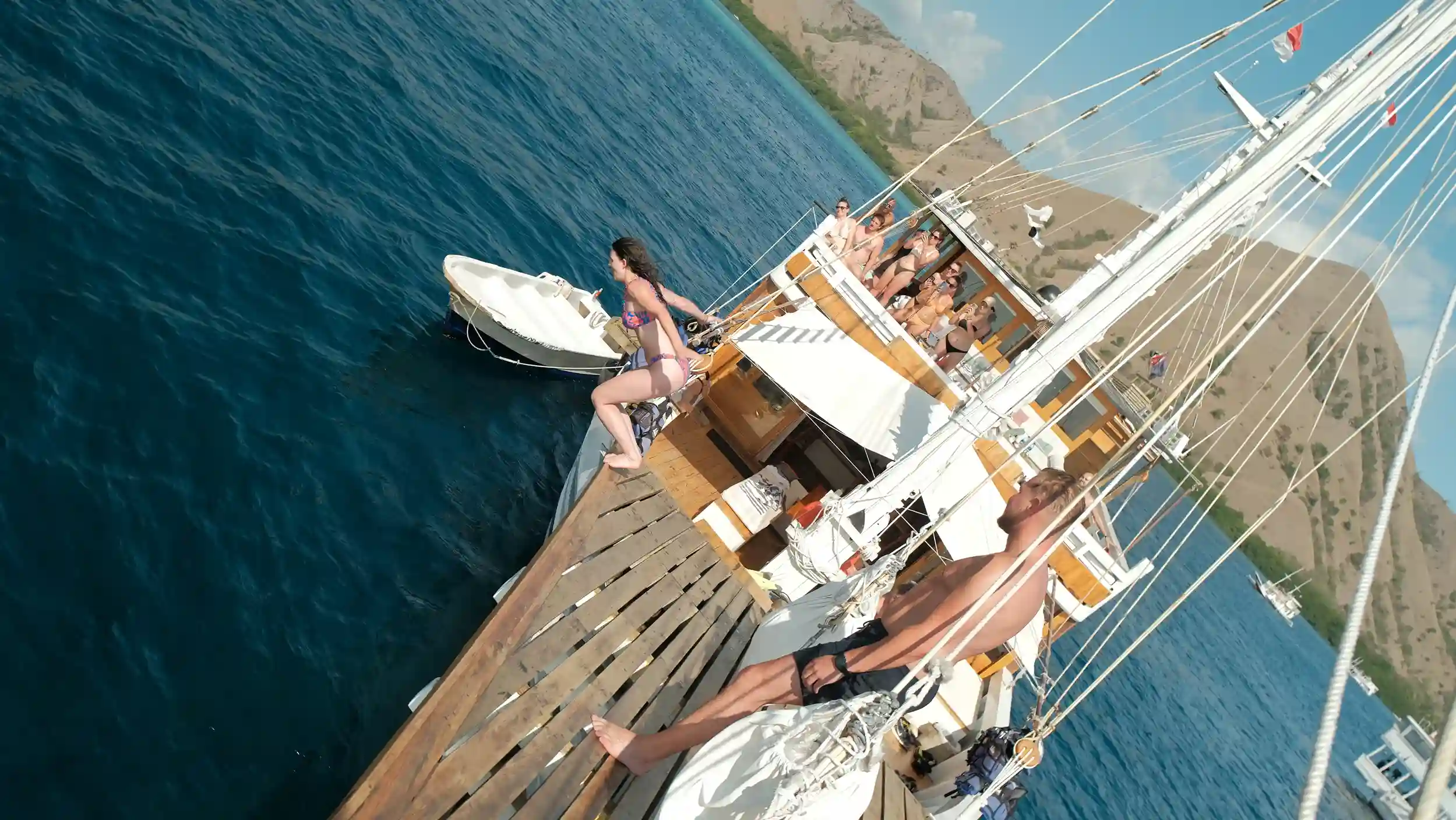
One Phinisi, 24 Guests: The 2027 Charter Math for Large Groups in Komodo
If you are looking for a Komodo phinisi for large groups, here is the direct answer: Aura Suci, a 30-metre…
Read more
Sail Komodo with Aura Suci
Eight en-suite cabins, every one with its own balcony, and a crew who read these tides daily.