
Cannibal Rock 2027: Why South Komodo Is the Macro Diver’s Secret
Welcome to Aura Suci Liveaboard's comprehensive guide to Cannibal Rock 2027. Known as the macro diver's secret in South Komodo, Cannibal Rock is a notable trove of unique marine life. …
- Published 28 June 2026
- Read time 6 min
Welcome to Aura Suci Liveaboard’s comprehensive guide to Cannibal Rock 2027. Known as the macro diver’s secret in South Komodo, Cannibal Rock is a notable trove of unique marine life. This page unveils the magic of this dive site and why it remains a must-visit for enthusiasts, offering exceptional experiences in the realm of macro diving.
Discovering Cannibal Rock: A the Macro World
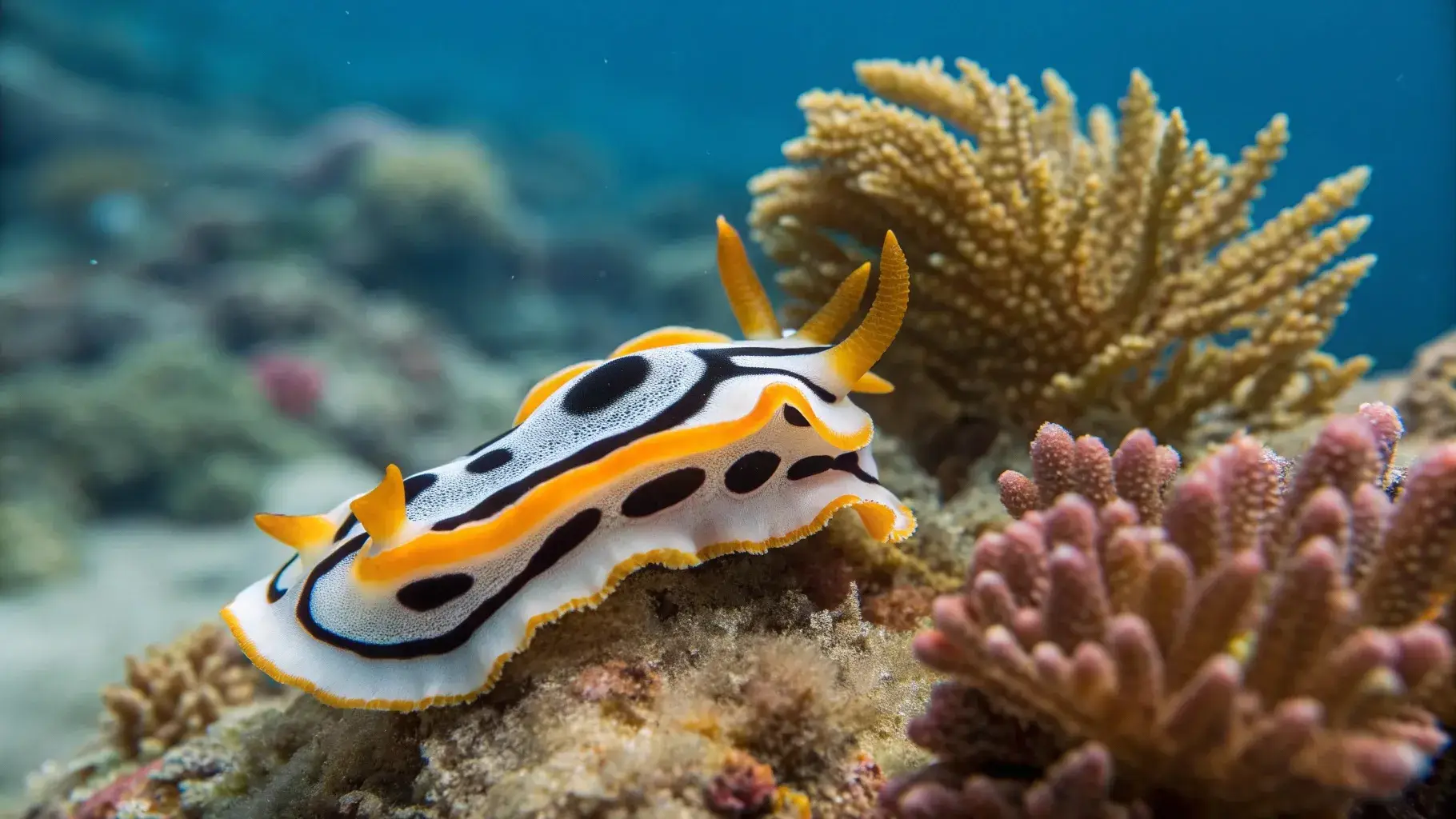
Cannibal Rock, situated in the southern region of Nusa Kode, is an underwater haven for macro photography enthusiasts and marine biologists alike. The area is renowned for its exceptional biodiversity, featuring an array of critters such as pygmy seahorses, frogfish, and a variety of nudibranchs. The site is well-regarded for its lively marine life, making it a unique spot for capturing rare moments in the aquatic world.
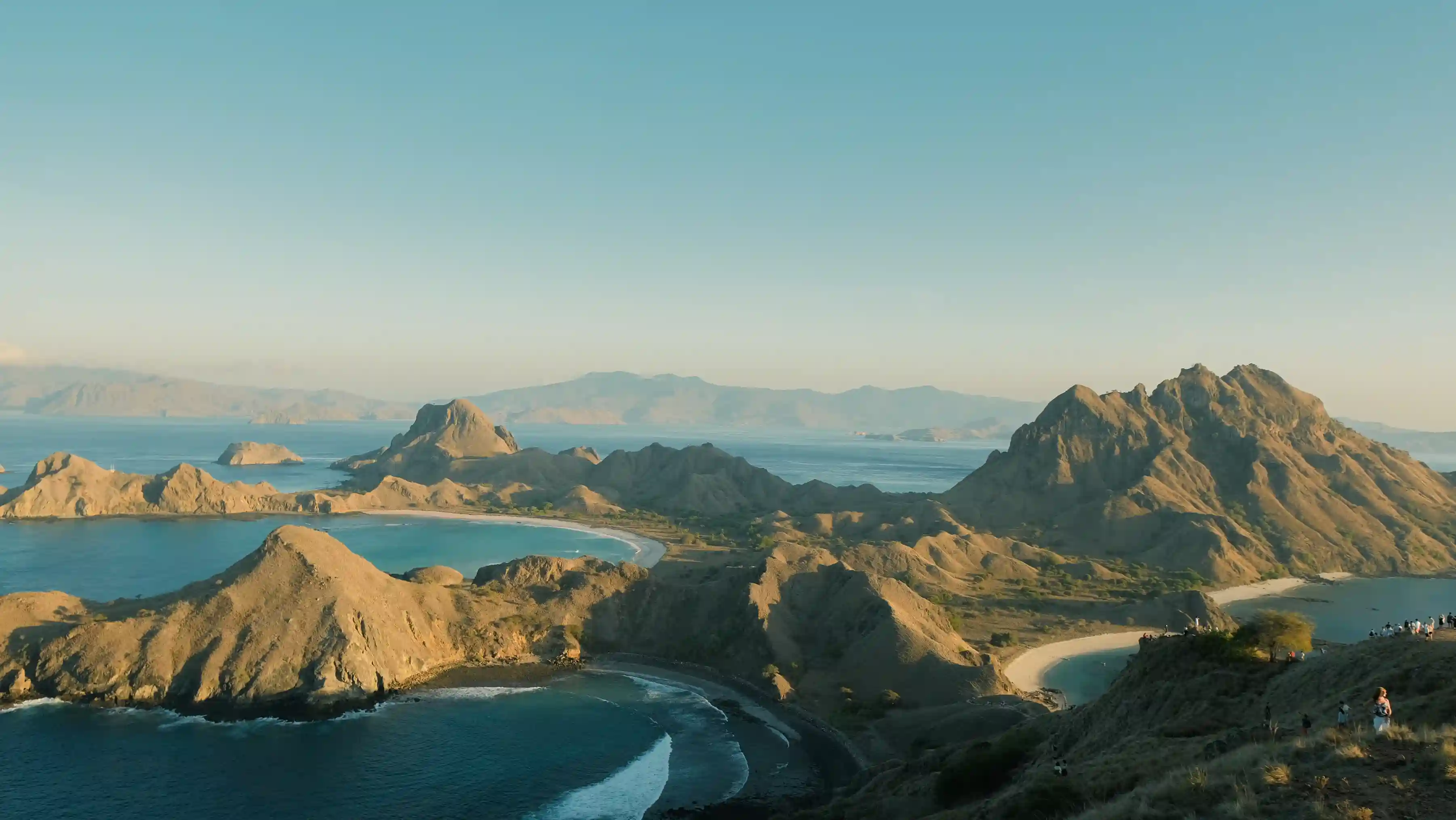
The unique topography of Cannibal Rock, with its slopes and pinnacles, provides a safe haven for many species. This exceptional dive site is part of the Komodo National Park, a UNESCO World Heritage site, which ensures its protection and conservation. The park’s regulations help maintain the area’s ecological balance, allowing divers to experience its richness responsibly.
Seasonal Diving Conditions at Cannibal Rock
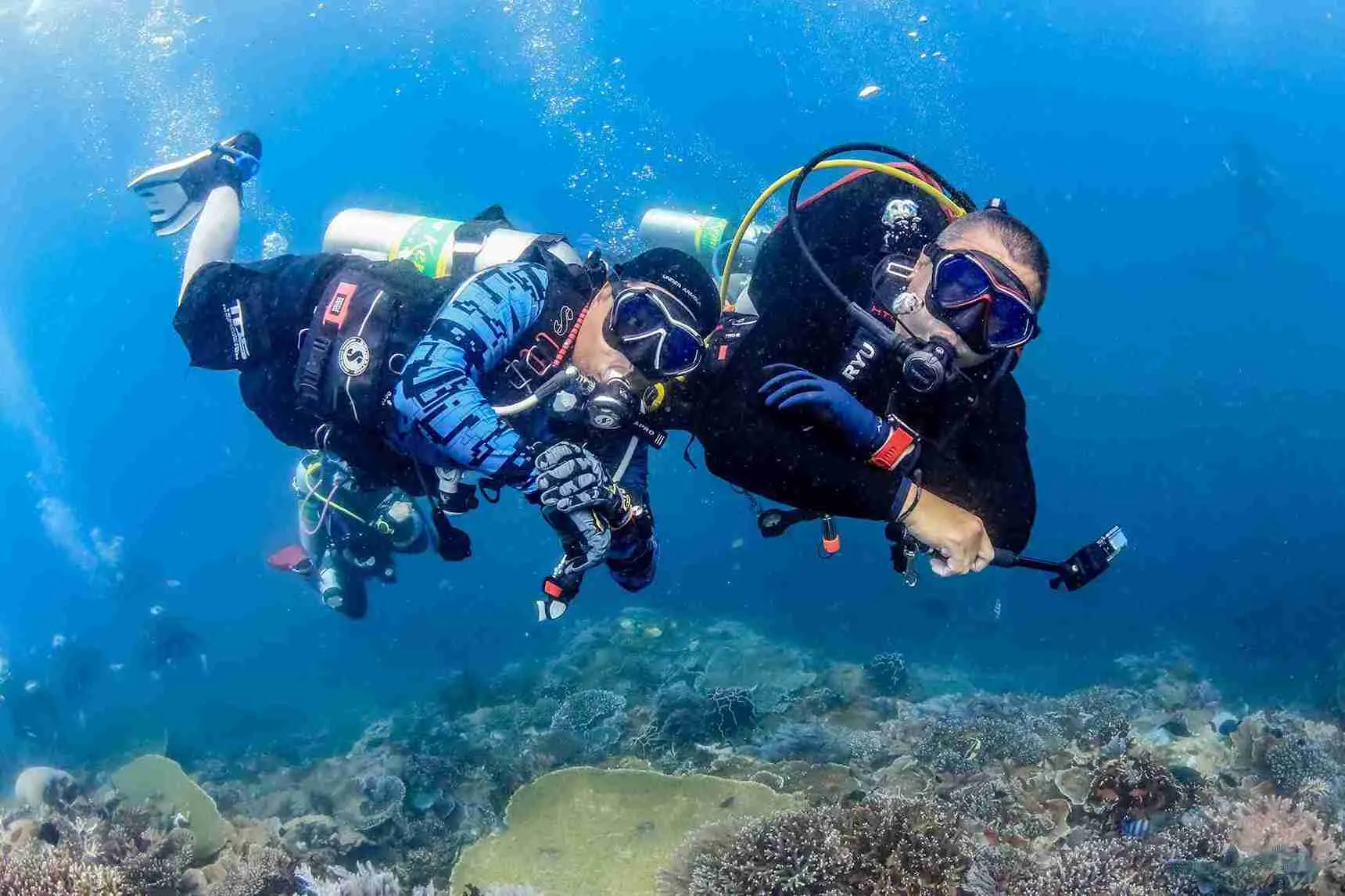
South Komodo, where Cannibal Rock is located, experiences distinct seasonal variations that affect diving conditions. From June to September, the cooler waters from the Indian Ocean create upwellings, bringing nutrients that support the growth of unique marine life. These months are ideal for macro diving, with water temperatures ranging from 22 to 26 degrees Celsius and visibility varying from 10 to 20 meters.
While diving conditions in the northern and central parts of Komodo are optimal from April to November, with warmer waters and clearer visibility, the southern sites like Cannibal Rock come into their own during the cooler months. The upwelling not only supports a diverse marine ecosystem but also attracts larger pelagic species, offering a comprehensive diving experience.
Aura Suci Liveaboard: Tailoring Your Dive Experience
Aura Suci Liveaboard offers meticulously planned itineraries to ensure divers make the most of their Komodo experience. With trip durations ranging from 3 days and 2 nights to a comprehensive 8-day and 7-night journey, divers can tailor their trips according to their interests and time constraints. A typical 6-day and 5-night trip is the minimum recommended duration to explore the northern, central, and southern sites, including a day at Cannibal Rock and Manta Alley.
The liveaboard schedule usually includes four dives per day, including an optional night dive. Divers start their day with a pre-breakfast dive, followed by subsequent dives interspersed with meals and rest periods. The itineraries also incorporate land excursions and snorkeling stops, ensuring a well-rounded exploration of Komodo’s terrestrial and marine environments.
Send your dates and we will come back with live cabin availability on Aura Suci.
Pricing and Accommodation: Finding the Right Fit
Aura Suci Liveaboard provides a range of accommodation options to suit different budgets and preferences. Prices for shared cabins in 2026-2027 vary depending on the level of comfort and exclusivity, with budget options ranging from USD 160 to 250 per day, while mid-range choices lie between USD 250 and 400 per day. For those seeking a more luxurious experience, boutique cabins range from USD 450 to upwards of 800 per day.
All accommodation options ensure comfort and convenience, providing essential amenities for relaxation after a day of diving. The liveaboard offers a communal atmosphere, promoting camaraderie among divers, while also providing private spaces for those who prefer solitude. The variation in pricing allows divers to choose a package that aligns with their financial plans and desired level of luxury.
Exploring Komodo’s Premier Dive Sites
Beyond Cannibal Rock, Komodo National Park boasts other world-renowned dive sites. Batu Bolong, located centrally, is a pinnacle with dense fish biomass and frequent sightings of white-tip sharks. This site is best explored during slack tide to avoid strong currents. Meanwhile, Castle Rock and Crystal Rock in the north offer thrilling dives with grey reef sharks and giant trevally, requiring negative entries due to strong currents.
Manta Point, or Karang Makassar, is a central reef known for its manta ray cleaning stations. Manta Alley, in the south, is another hotspot, particularly during the upwelling months of June to September. Divers can witness manta trains and experience the serenity of observing these grand creatures. Each site offers unique challenges and rewards, catering to divers of varying skill levels.
Planning Your Dive Adventure with Aura Suci Liveaboard
Planning a dive trip with Aura Suci Liveaboard involves considering several factors, including the best seasons for visiting specific dive sites, the number of dives you wish to undertake, and extra activities like land excursions. With a dedicated team of dive experts, Aura Suci ensures that every trip is tailored to meet the needs and expectations of its guests.
Whether you are a seasoned diver looking to capture rare macro species or a beginner eager to explore Komodo’s underwater wonders, Aura Suci Liveaboard provides the necessary resources and expertise. By choosing the appropriate trip duration and itinerary, divers can engage themselves in the full spectrum of experiences that Komodo has to offer.
FAQs
Q? What is the best time to dive at Cannibal Rock? A: The best time to dive at Cannibal Rock is during the macro season from June to September. During these months, cooler waters from the Indian Ocean create nutrient-rich upwellings, attracting a diverse range of marine life.
Q? How many dives can I expect on a typical Aura Suci trip? A: On a typical Aura Suci Liveaboard trip, you can expect to participate in 3 to 4 dives per day. A 6-day and 5-night trip generally includes around 15 to 18 dives, allowing you to explore multiple dive sites across the Komodo region.
Q? What should I pack for a liveaboard diving trip in Komodo? A: When packing for a liveaboard diving trip in Komodo, be sure to include your dive certification card, a wetsuit suitable for water temperatures ranging from 22 to 29 degrees Celsius, personal dive gear if preferred, and comfortable clothing for on-board relaxation. Additionally, bring sunscreen, a hat, and insect repellent for land excursions.
For wider arrangements, our partner labuanbajoluxury can coordinate end to end.
See also: The 9 Best Komodo Dive Sites in 2027: Currents, Mantas & Macro Mapped, Castle Rock vs Crystal Rock: Komodo’s Twin Shark Seamounts Compared · Home.
From the journal
More reading

Komodo Open Trip 3D2N vs Private Wellness Charter (2026)
For wellness-minded travellers, the decision usually comes down to privacy versus price. A Komodo open trip 3D2N with shared cabins…
Read more
Every Cabin With a Private Balcony: Why That Is Rare on a 30m Komodo Phinisi
Every cabin on Aura Suci opens onto its own private balcony — and on a 30-metre wooden phinisi, that is…
Read more
One Phinisi, 24 Guests: The 2027 Charter Math for Large Groups in Komodo
If you are looking for a Komodo phinisi for large groups, here is the direct answer: Aura Suci, a 30-metre…
Read more
Sail Komodo with Aura Suci
Eight en-suite cabins, every one with its own balcony, and a crew who read these tides daily.