
Diving Batu Bolong: How to Read Komodo’s Most Demanding Pinnacle
the heart of Komodo National Park with Aura Suci Liveaboard, exploring Batu Bolong, a pinnacle demanding respect and precision. Known for dense fish biomass and white-tip sharks, it’s a site …
- Published 28 June 2026
- Read time 6 min
the heart of Komodo National Park with Aura Suci Liveaboard, exploring Batu Bolong, a pinnacle demanding respect and precision. Known for dense fish biomass and white-tip sharks, it’s a site that reveals its wonders only at slack tide. Prepare for an exhilarating adventure, learning how to read the currents and make the most of this unique dive spot.
Understanding Batu Bolong: The Central Pinnacle
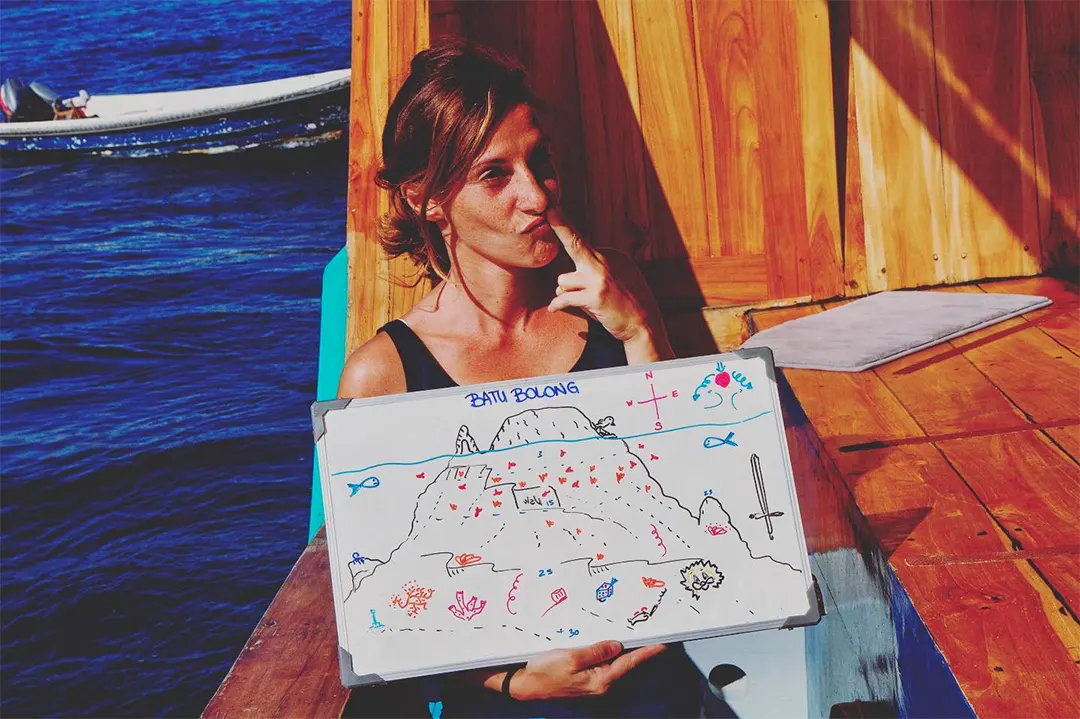
Batu Bolong stands as a central highlight in Komodo National Park’s diving repertoire. This pinnacle is renowned for its teeming marine life, making it both a challenging and rewarding dive. Divers are greeted by a spectacular view of swirling fish biomass and encounters with white-tip reef sharks. The site’s unique topography means that it’s essential to dive at slack tide when the current is at its most manageable.
The pinnacle itself rises dramatically from the sea floor, providing a lively habitat for countless species. As divers descend, they are enveloped in a busy underwater world, with schools of fusiliers and surgeonfish darting around. While the currents can be intimidating, they are crucial in sustaining the rich biodiversity that Batu Bolong is famous for. Knowledgeable guides from Aura Suci Liveaboard are invaluable here, helping divers to navigate this complex environment safely.
Key Dive Sites for Varied Experiences
Beyond Batu Bolong, Komodo boasts several other notable dive sites worth exploring. Castle Rock and Crystal Rock, located in the northern part of the park, offer thrilling experiences with their strong currents and the presence of grey reef sharks and giant trevally. These sites require negative entries due to the powerful water movement, adding an extra level of excitement to each dive.
Meanwhile, Karang Makassar, often referred to as Manta Point, in central Komodo, provides a different spectacle altogether. Here, divers can witness manta rays gliding gracefully above cleaning stations. Known for its ‘manta trains,’ this site is active year-round, with the best sightings occurring from April to November. Each of these locations provides a unique glimpse into the underwater wonders of Komodo, catering to divers of all interests and skill levels.
Seasonal Diving: Timing Your Adventure
Choosing the right time to dive in Komodo can enhance your experience significantly. The best time to explore the north and central regions is from April to November, when the weather is dry and currents are at their strongest between July and September. These months offer the clearest visibility, ranging from 15 to 30 meters, allowing divers to fully appreciate the lively marine life.
For those interested in the southern sites, such as Cannibal Rock and Manta Alley, the ideal period is from June to September. During these months, the cooler, nutrient-rich waters from the Indian Ocean promote spectacular upwellings, drawing in large aggregations of manta rays and offering unique muck diving opportunities. Although the water temperature is lower, ranging from 22°C to 26°C, the chance to see rare macro species like pygmy seahorses and frogfish makes it worthwhile.
Liveaboard Itineraries: Crafting the Perfect Dive Trip
With Aura Suci Liveaboard, divers have a range of itinerary options to choose from, each offering distinct experiences. A 3-day, 2-night trip typically includes around 6 to 7 dives, focusing on the central sites. For those looking to explore more, a 4-day, 3-night itinerary includes approximately 9 to 11 dives, offering a broader range of diving experiences in the park.
For a more comprehensive adventure, the 6-day, 5-night itinerary is the minimum recommended to combine the northern, central, and a day in the south focusing on Cannibal Rock or Manta Alley. This option provides 15 to 18 dives. For those wanting to fully engage themselves in the wonders of Komodo, the 7-day, 6-night or 8-day, 7-night grand tours offer 18 to 22 dives, covering the full spectrum of dive sites available.
Daily Diving Rhythm: A Day with Aura Suci
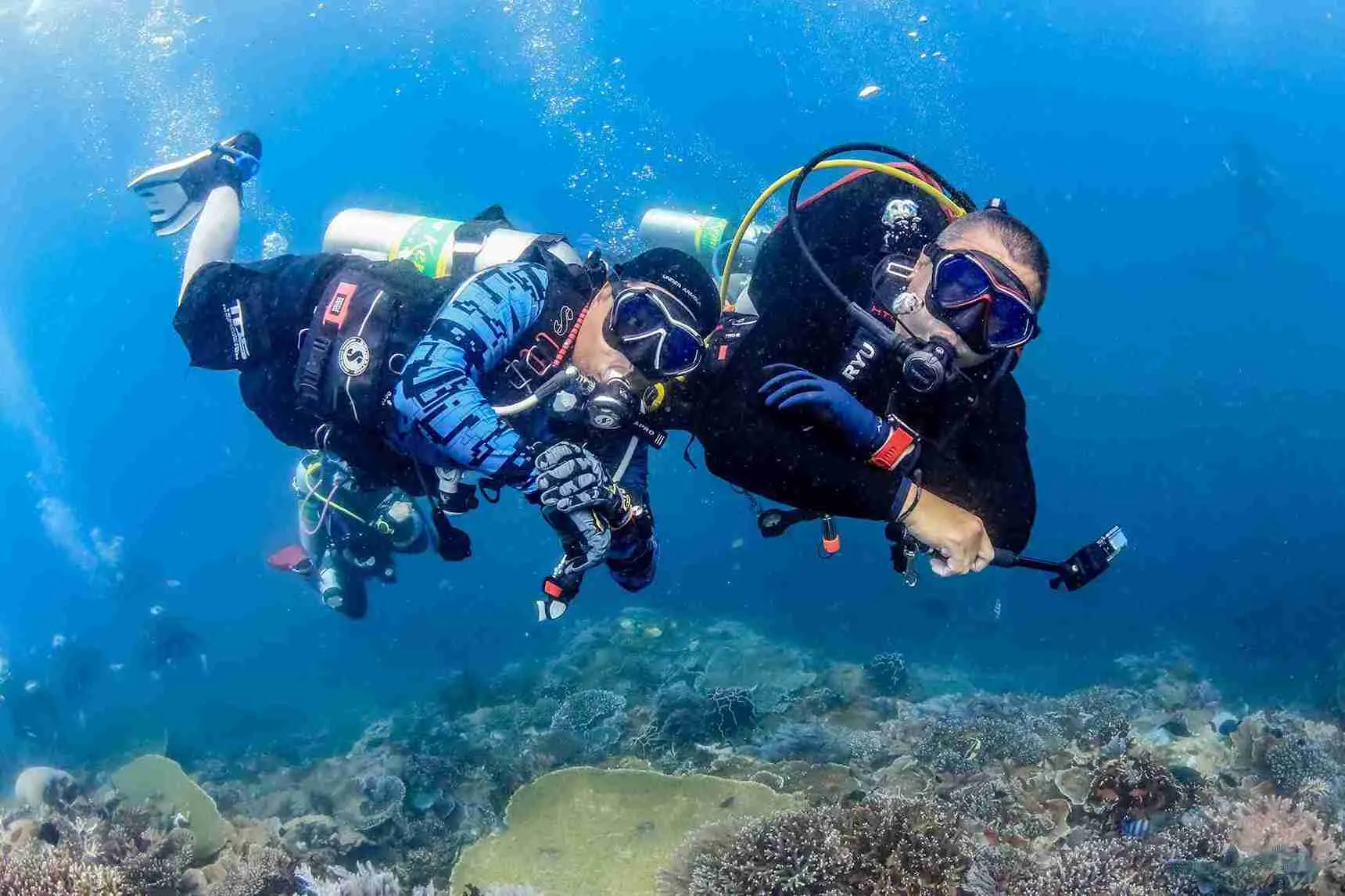
A typical day on the Aura Suci Liveaboard starts with a pre-breakfast dive, allowing divers to experience the early morning activity of marine life. This is followed by a hearty breakfast to refuel for the day’s adventures. Throughout the day, guests can expect to partake in 3 to 4 dives, with breaks for meals and relaxation on board.
Each day also includes at least one land or snorkel stop, providing a chance to explore Komodo’s rich terrestrial landscapes or enjoy its lively reefs from the surface. An optional night dive is often available, offering a completely different perspective on the park’s nocturnal creatures. The day typically concludes with a sunset trek, offering striking views and opportunities to spot Komodo dragons in their natural habitat.
Pricing and Accommodations: Choosing Your Experience
The cost of a liveaboard experience in Komodo varies depending on the level of comfort and luxury desired. Budget phinisi options range from USD 160 to 250 per day, offering shared cabins and essential amenities. These are ideal for divers looking for an affordable way to explore the park without sacrificing quality.
For a mid-range experience, prices range from USD 250 to 400 per day. These trips offer enhanced comfort and service, with more personalized attention from the crew. For those seeking the ultimate in luxury, boutique liveaboards are available from USD 450 to 800+ per day, featuring spacious cabins and gourmet dining, ensuring a high-end experience both above and below the water.
FAQs
Q? What is the best time to dive at Batu Bolong? A: The optimal time to dive at Batu Bolong is during slack tide when the currents are minimal, typically aligning with the dry season from April to November. This timing ensures divers can safely explore the pinnacle’s lively ecosystem.
Q? How many dives can I expect on a typical 7-day liveaboard trip? A: On a 7-day liveaboard trip with Aura Suci, guests can expect to enjoy approximately 18 to 22 dives. This itinerary allows divers to explore a variety of sites across Komodo, including both popular and less frequented locations.
Q? Are manta rays visible year-round in Komodo? A: Yes, manta rays are present year-round at sites like Karang Makassar. However, the best time to see large aggregations, especially in the southern regions like Manta Alley, is from June to September during the cooler upwelling season.
For wider arrangements, our partner labuanbajoluxury can coordinate end to end.
See also: Castle Rock vs Crystal Rock: Komodo’s Twin Shark Seamounts Compared, Cannibal Rock 2027: Why South Komodo Is the Macro Diver’s Secret · Home.
Related reading
Send your dates and we will come back with live cabin availability on Aura Suci.
From the journal
More reading

Komodo Open Trip 3D2N vs Private Wellness Charter (2026)
For wellness-minded travellers, the decision usually comes down to privacy versus price. A Komodo open trip 3D2N with shared cabins…
Read more
Every Cabin With a Private Balcony: Why That Is Rare on a 30m Komodo Phinisi
Every cabin on Aura Suci opens onto its own private balcony — and on a 30-metre wooden phinisi, that is…
Read more
One Phinisi, 24 Guests: The 2027 Charter Math for Large Groups in Komodo
If you are looking for a Komodo phinisi for large groups, here is the direct answer: Aura Suci, a 30-metre…
Read more
Sail Komodo with Aura Suci
Eight en-suite cabins, every one with its own balcony, and a crew who read these tides daily.