
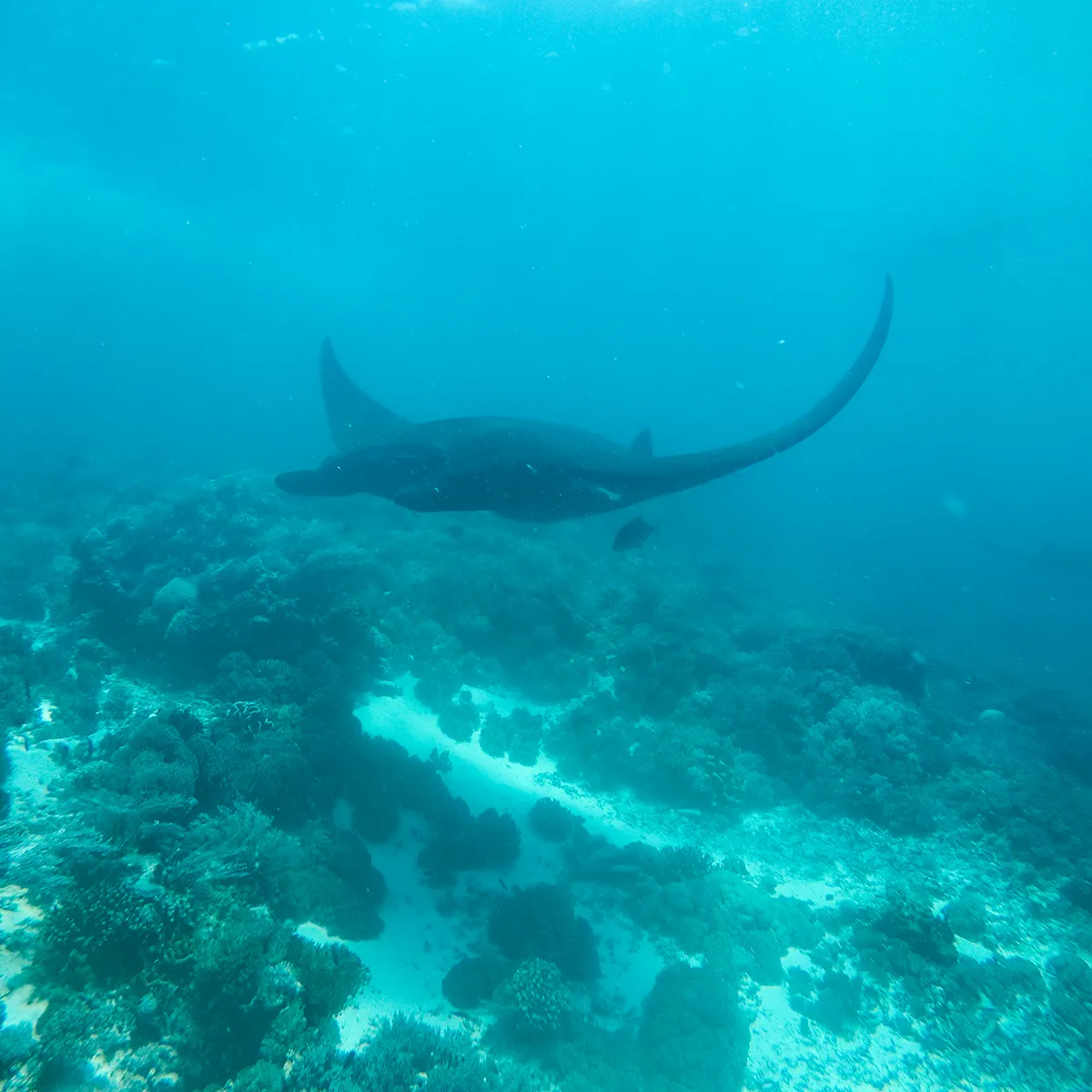
Komodo Manta Season 2027: When North, Central & South Peak
The Komodo Manta Season in 2027 offers divers the best opportunity to encounter these grand creatures in their natural habitat. From the busy waters of the north to the tranquil …
- Published 1 July 2026
- Read time 8 min
The Komodo Manta Season in 2027 offers divers the best opportunity to encounter these grand creatures in their natural habitat. From the busy waters of the north to the tranquil spots in the south, this season reveals peak manta activities across Komodo’s renowned sites.
Introduction to Komodo Manta Season
Throughout the Komodo National Park, manta rays are a highlight for divers. The Komodo Manta Season in 2027 is expected to be a prime time for sightings due to the prevailing oceanographic conditions. The currents, water temperatures, and plankton availability all align to create optimal conditions for manta aggregations. This alignment attracts not only manta rays but also other marine species, making it an exceptional period for underwater photography and marine observation.
Aura Suci Liveaboard provides divers with the unique opportunity to explore these waters, where the reefs are teeming with life and the chance to swim alongside mantas is at its peak. As the season progresses from north to south, divers will encounter different environments and marine ecosystems. Each region within the park has its own distinct underwater topography and biodiversity, offering varied diving experiences that cater to both thrill-seekers and macro enthusiasts alike.
Diving in Northern Komodo
The northern region of Komodo is characterized by sites like Castle Rock and Crystal Rock, where grey reef sharks and giant trevally are common. These sites require negative entries due to strong currents, offering thrilling dives for adventurous divers. Water temperatures here range from 27-29°C with visibility extending from 15 to 30 meters, making it ideal for observing the dense marine life. The combination of strong currents and nutrient-rich waters supports an impressive biomass, attracting pelagic species and offering divers a dynamic diving environment.
The best season to dive in northern Komodo is from April to November, with July to September offering the strongest currents that bring in large schools of fish and active marine life. Divers can expect multiple encounters with mantas as they glide through these nutrient-rich waters. During these months, the dry conditions ensure excellent visibility, enhancing the diving experience and allowing divers to fully appreciate the underwater spectacles.
Central Komodo Diving Highlights
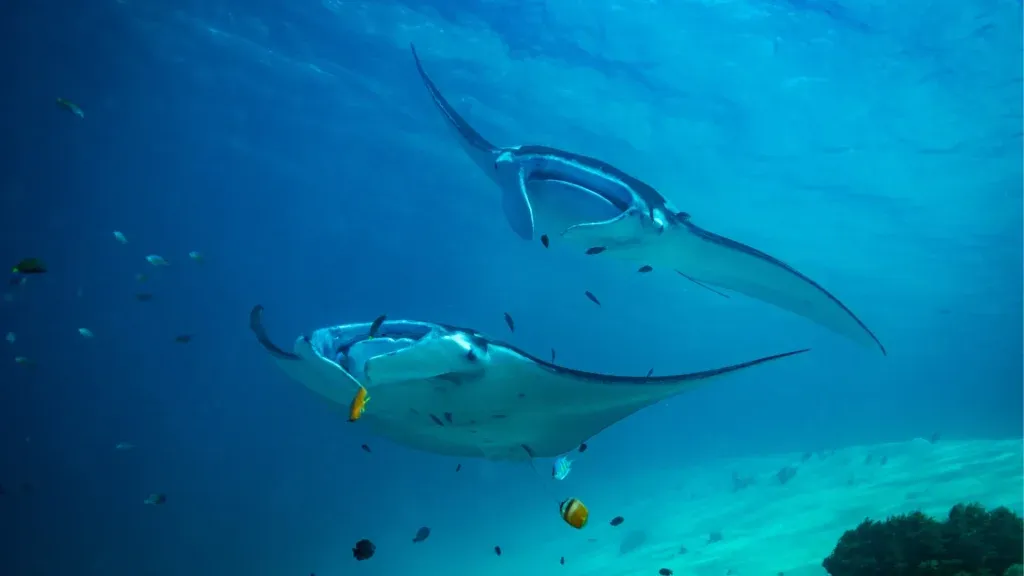
Central Komodo is home to the famous Batu Bolong and the Manta Point, also known as Karang Makassar. Batu Bolong is a central pinnacle with a dense biomass of fish and frequent sightings of white-tip sharks, best dived during slack tide. The pinnacle acts as a magnet for marine life, providing a dynamic and colorful setting for divers. Manta Point is a hotspot for manta cleaning stations, where divers can witness the mesmerizing “manta trains” as these gentle giants glide gracefully through the water. This site provides a unique opportunity to observe the cleaning symbiosis between mantas and smaller fish species.
Here, mantas are present year-round, taking advantage of the nutrient upwellings. The central Komodo region offers ideal conditions for divers throughout the dry season, peaking from April to November. The consistent presence of mantas makes it a must-visit for enthusiasts. Besides mantas, the coral reefs in central Komodo are teeming with lively marine life, including an array of hard and soft corals, making it a region for underwater photographers.
Southern Komodo: A Unique Diving Experience
In contrast, the southern part of Komodo, including sites like Manta Alley and Cannibal Rock, offers a different experience. The cooler water temperatures of 22-26°C and lower visibility of 10-20 meters due to Indian Ocean upwellings create a unique environment for macro enthusiasts. Manta Alley is especially famous for its dense manta aggregations from June to September. During these months, divers can witness fascinating behaviors as mantas gather in large numbers, often forming ‘chains’ or ‘trains’ that are a spectacle to behold.
Cannibal Rock in Nusa Kode is renowned for its top-notch muck and macro diving, where divers can find pygmy seahorses, frogfish, and nudibranchs. The site is a notable trove for those interested in the smaller, often overlooked marine creatures that are both rare and beautiful. The southern Komodo season peaks during the cool upwelling months, providing a remarkable experience for those interested in both mantas and macro marine life. The combination of unique macro species and the possibility of large pelagic encounters makes the south a compelling destination for divers.
Trip Duration and Itineraries
A variety of trip durations are available to suit different diving interests and schedules. A 3-day, 2-night trip typically offers 6-7 dives focused on central sites. For those looking to explore more, a 4-day, 3-night itinerary provides 9-11 dives. The 6-day, 5-night option is the realistic minimum for combining the north, central, and a southern Cannibal Rock or Manta Alley day with approximately 15-18 dives. This itinerary offers a balanced mix of what Komodo has to offer, from lively reefs to thrilling drift dives.
For a comprehensive experience, the 7-day, 6-night or 8-day, 7-night Grand Komodo itinerary offers 18-22+ dives, covering the full scope of Komodo’s underwater magic. Each day follows a rhythm of early morning dives, daily 3-4 dives, with optional night dives and occasional land or snorkel stops. Accompanying guides share in-depth knowledge about the marine life and local geography, enriching the overall experience. These itineraries are designed to maximize diving opportunities while ensuring a relaxed pace to appreciate the natural beauty of Komodo.
Pricing and Accommodation
The 2026-2027 price ranges cater to different budgets. For shared cabins, budget phinisi options range from approximately USD 160-250 per day, translating to IDR 2.6-4.1 million. Mid-range options are available from USD 250-400 per day (IDR 4.1-6.6 million), while luxury and boutique choices start at USD 450, reaching up to 800+ per day (IDR 7.4 million and above). These prices reflect the diverse range of services and amenities available to cater to varying preferences and financial considerations.
Aura Suci Liveaboard provides a variety of accommodation styles to match both the budget-conscious and those looking for a more sumptuous experience. Regardless of the choice, all guests can expect a high standard of service and comfort. The liveaboard is equipped with modern facilities, ensuring a comfortable stay while offering exquisite meals prepared by onboard chefs, adding to the overall enjoyment of the trip.
Environmental Conservation Efforts
Komodo National Park is not only a diving region but also a crucial area for marine conservation. Aura Suci Liveaboard is committed to sustainable diving practices and works closely with local conservation groups to ensure the protection of the park’s delicate ecosystems. Efforts include promoting reef-safe diving techniques among guests and participating in regular beach and reef clean-up activities.
The liveaboard’s team educates divers on the importance of marine conservation, encouraging responsible interactions with wildlife. Guests are given guidelines to minimize their environmental impact, such as avoiding touching corals and marine creatures and reducing plastic waste. These practices aim to preserve the notable condition of Komodo’s waters for future generations, ensuring that divers can continue to enjoy its natural beauty.
FAQs
Q? When is the best time to dive in southern Komodo? A: The best time to dive in the southern part of Komodo is from June to September. During this period, cooler water temperatures from the Indian Ocean upwellings attract mantas, offering prime conditions for manta and macro diving. The nutrient-rich waters also bring a variety of marine life, enhancing the diving experience.
Q? What is the recommended trip duration to explore all of Komodo? A: To truly explore all of Komodo’s diving regions, a 7-day, 6-night or 8-day, 7-night itinerary is recommended. These trips allow divers to experience the northern, central, and southern sites comprehensively, ensuring a diverse and rewarding diving adventure.
Q? Are manta rays present year-round in Komodo? A: Yes, manta rays are present year-round, particularly in central Komodo at Karang Makassar. However, the highest concentrations, especially in the southern areas like Manta Alley, occur during the cool upwelling season from June to September. This period is ideal for observing large gatherings of mantas engaging in their natural behaviors.
For wider arrangements, our partner labuanbajoluxury can coordinate end to end.
See also: Best Time to Dive Komodo in 2027: Month-by-Month Seasons & Visibility · Home.
Related reading
Send your dates and we will come back with live cabin availability on Aura Suci.
From the journal
More reading

Komodo Open Trip 3D2N vs Private Wellness Charter (2026)
For wellness-minded travellers, the decision usually comes down to privacy versus price. A Komodo open trip 3D2N with shared cabins…
Read more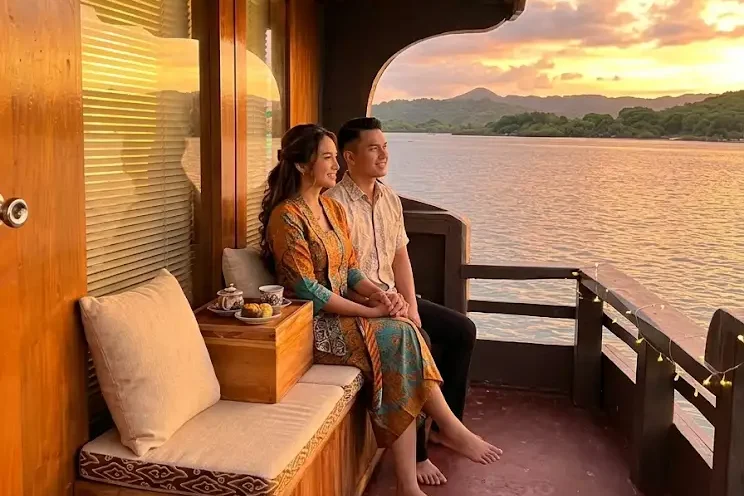
Every Cabin With a Private Balcony: Why That Is Rare on a 30m Komodo Phinisi
Every cabin on Aura Suci opens onto its own private balcony — and on a 30-metre wooden phinisi, that is…
Read more
One Phinisi, 24 Guests: The 2027 Charter Math for Large Groups in Komodo
If you are looking for a Komodo phinisi for large groups, here is the direct answer: Aura Suci, a 30-metre…
Read more
Sail Komodo with Aura Suci
Eight en-suite cabins, every one with its own balcony, and a crew who read these tides daily.