
Komodo vs Raja Ampat in 2027: Which Liveaboard Should You Book First?
For 2027, divers face a delightful dilemma: Komodo or Raja Ampat? Both destinations offer unique underwater experiences, but Komodo's diverse marine life and thrilling currents make it the adventurous choice, …
- Published 1 July 2026
- Read time 8 min
For 2027, divers face a delightful dilemma: Komodo or Raja Ampat? Both destinations offer unique underwater experiences, but Komodo’s diverse marine life and thrilling currents make it the adventurous choice, while Raja Ampat’s rich biodiversity and striking coral gardens beckon those seeking lively ecosystems. Either choice promises remarkable dives with Aura Suci Liveaboard.
Komodo: A haven for thrill-seekers
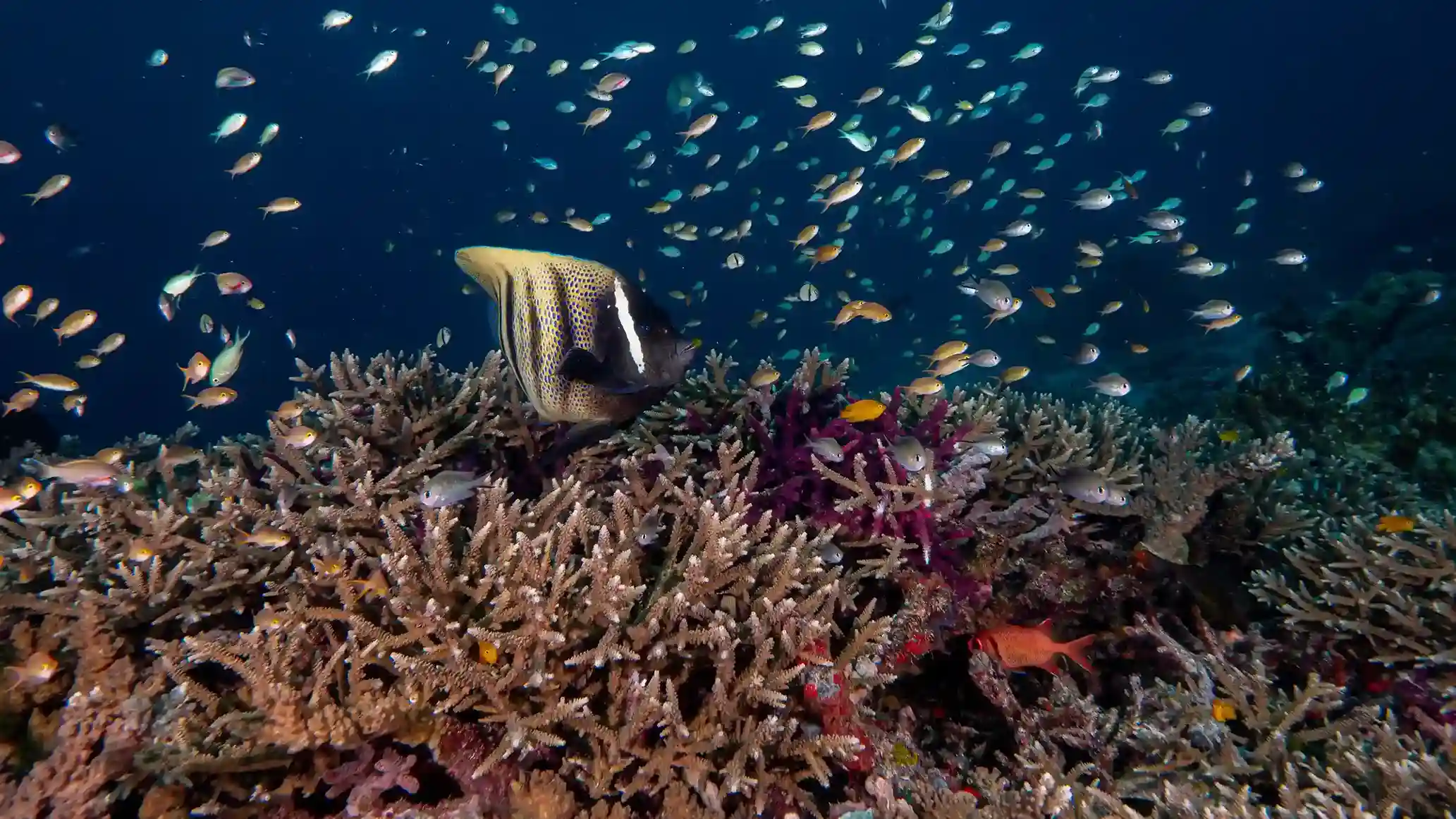
Komodo National Park, renowned for its dynamic underwater landscapes, is a diver’s region where every dive site offers a distinct adventure. Batu Bolong stands out as a central pinnacle teeming with a dense fish biomass. Divers frequently encounter white-tip reef sharks here, strong currents that recede only during slack tide, providing a challenging yet rewarding dive. During slack tide, divers can explore the lively coral formations that shelter schools of colorful anthias and fusiliers, making it a photographer’s dream.
Further north, Castle Rock and Crystal Rock offer thrilling experiences. These seamounts require negative entries due to strong currents but reward divers with sightings of grey reef sharks and giant trevally. The energy of these sites is palpable, making them ideal for experienced divers seeking an adrenaline rush. During a dive, it’s not uncommon to witness barracuda tornadoes and the sleek silhouettes of hunting predators against a backdrop of aquamarine waters, the area’s abundant marine life.
For the northern option, the Raja Ampat sailing tour packages from Komodo Luxury outline seasons, routes and boat classes.
Raja Ampat: A kaleidoscope of biodiversity
Raja Ampat, often heralded as the epicenter of marine biodiversity, offers a diving experience unlike any other. Its waters are home to over 1,500 species of fish and 500 species of coral. The lively coral gardens are a visual feast, attracting divers from around the globe. Sites like Cape Kri and Sardine Reef are renowned for their rich marine life and clear waters, offering a more tranquil diving experience compared to the currents of Komodo. The underwater landscapes are adorned with fields of soft corals, lively sponges, and anemones that shelter clownfish and myriad other creatures.
The nutrient-rich waters of Raja Ampat support an impressive array of marine life, from the elusive wobbegong shark to grand manta rays. The island’s remote location ensures that its reefs remain some of the most undisturbed in the world, providing a serene and beautiful backdrop for diving adventures. The region’s dive sites are often frequented by grand eagle rays and curious turtles, adding to the spectacle of this underwater region.
Seasonal considerations for Komodo and Raja Ampat
The best time to dive in Komodo is from April to November, particularly in the north and central regions where the weather is driest and currents are strongest from July to September. During this period, divers can revel in the warmth of the water, with temperatures ranging from 27-29°C and visibility often reaching 15-30 meters. The seasonal influx of cold water during these months brings nutrient-rich currents that support a flourishing marine ecosystem, ideal for spotting pelagic species.
Conversely, Raja Ampat’s diving season peaks from October to April, avoiding the rainy season that can affect visibility and sea conditions. Water temperatures here are consistently warm, hovering around 28°C, with excellent visibility that enhances the lively coral landscapes. Each destination’s seasonality plays a crucial role in planning your dive itinerary with Aura Suci Liveaboard. The dry season in Raja Ampat is characterized by calm seas and gentle breezes, creating perfect conditions for diving and snorkeling explorations.
Dive trip durations and itineraries
Aura Suci Liveaboard offers flexible itineraries to explore Komodo’s underwater marvels. Shorter trips such as the 3D2N itinerary provide a glimpse into central sites, yielding around 6-7 dives. For a more comprehensive experience, the 6D5N package covers north, central, and southern sites, allowing divers to enjoy in 15-18 unique dives, including the famed Cannibal Rock and Manta Alley. The 7D6N and 8D7N itineraries offer the full Grand Komodo experience, with 18-22+ dives, ensuring an exhaustive exploration of this marine wonderland.
Raja Ampat itineraries are typically longer, given the vastness of the region. A 7D6N journey is ideal for exploring the major dive sites, encompassing a range of marine environments from mangroves to deep walls. With Aura Suci Liveaboard, divers enjoy multiple dives per day, supplemented by land explorations and optional night dives that showcase the nocturnal marine life. The extended itineraries allow divers to visit remote locations such as Misool’s limestone karsts and the Dampier Strait’s nutrient-rich channels.
Comparing costs and amenities
Budget considerations play a vital role in choosing between Komodo and Raja Ampat. In 2027, Komodo’s budget phinisis are priced around USD 160-250 per day, making it a more accessible option for divers. Mid-range options range from USD 250-400 per day, while luxury liveaboards cost upwards of USD 450 per day, offering enhanced comfort and amenities. Accommodation on these vessels includes air-conditioned cabins, en-suite bathrooms, and sun decks for relaxation between dives.
Raja Ampat, due to its remote location, typically sees higher costs for liveaboard trips, with budget options starting at approximately USD 200 per day. Luxury trips can exceed USD 1,000 per day but provide top-tier services and exclusive access to secluded dive sites. Aura Suci Liveaboard offers a range of packages to suit different budgets, ensuring a memorable diving experience regardless of destination. High-end offerings include gourmet dining, spa services, and personalized dive guides to enhance the overall experience.
The onboard experience with Aura Suci Liveaboard
Divers aboard Aura Suci Liveaboard enjoy a smooth blend of adventure and relaxation. Days begin with a pre-breakfast dive, setting the tone for a day filled with underwater exploration and discovery. With 3-4 dives scheduled each day, including optional night dives, divers are guaranteed to maximize their time in the water. The itineraries are designed to ensure divers experience a variety of marine habitats, from lively coral gardens to dramatic underwater cliffs.
The liveaboard also incorporates land excursions, allowing guests to witness Komodo’s iconic dragons or Raja Ampat’s scenic vistas. Evenings are spent reflecting on the day’s adventures, sharing stories with fellow divers over a hearty meal prepared by the onboard chef. Aura Suci Liveaboard ensures comfort and camaraderie, enhancing the overall diving journey. The friendly crew and knowledgeable dive guides create a welcoming atmosphere, fostering a sense of community among divers.
Additional Komodo Dive Sites
Komodo National Park is teeming with a variety of dive sites that cater to all levels of diving expertise. Tatawa Besar offers a more relaxed experience with its orange soft coral drifts, ideal for divers looking to enjoy a leisurely drift dive amidst gentle currents. The site is home to a plethora of marine species, including turtles and small reef sharks, often seen gliding gracefully through the lively coral gardens.
Golden Passage, another must-visit site, is known for its high-energy tidal channel drifts. This site offers exhilarating drift dives that carry divers along swiftly, providing opportunities to encounter schools of bumphead parrotfish and napoleon wrasses. The passage’s strong currents create nutrient-rich environments that support an abundance of marine life, making it a favorite among seasoned divers.
FAQs
Q? How do Komodo and Raja Ampat compare in terms of marine biodiversity?
A: While both regions boast exceptional biodiversity, Raja Ampat is often considered the more diverse with over 1,500 fish species and 500 coral species. Komodo offers a thrilling mix of macro life and large pelagics, with highlights like manta rays and reef sharks.
Q? What is the recommended minimum trip duration for diving in Komodo?
A: To fully experience Komodo’s diverse dive sites, a minimum of a 6D5N trip is recommended. This allows divers to explore the northern, central, and southern regions, ensuring a comprehensive dive experience.
Q? Are there any unique diving challenges in Komodo?
A: Yes, Komodo is known for its strong currents, particularly at sites like Castle Rock and Crystal Rock. These conditions require experience and confidence in current diving, making it a thrilling destination for seasoned divers.
For wider arrangements, our partner labuanbajoluxury can coordinate end to end.
See also: Best Time to Dive Komodo in 2027: Month-by-Month Seasons & Visibility, Komodo Manta Season 2027: When North, Central & South Peak · Home.
Related reading
Send your dates and we will come back with live cabin availability on Aura Suci.
From the journal
More reading

Komodo Open Trip 3D2N vs Private Wellness Charter (2026)
For wellness-minded travellers, the decision usually comes down to privacy versus price. A Komodo open trip 3D2N with shared cabins…
Read more
Every Cabin With a Private Balcony: Why That Is Rare on a 30m Komodo Phinisi
Every cabin on Aura Suci opens onto its own private balcony — and on a 30-metre wooden phinisi, that is…
Read more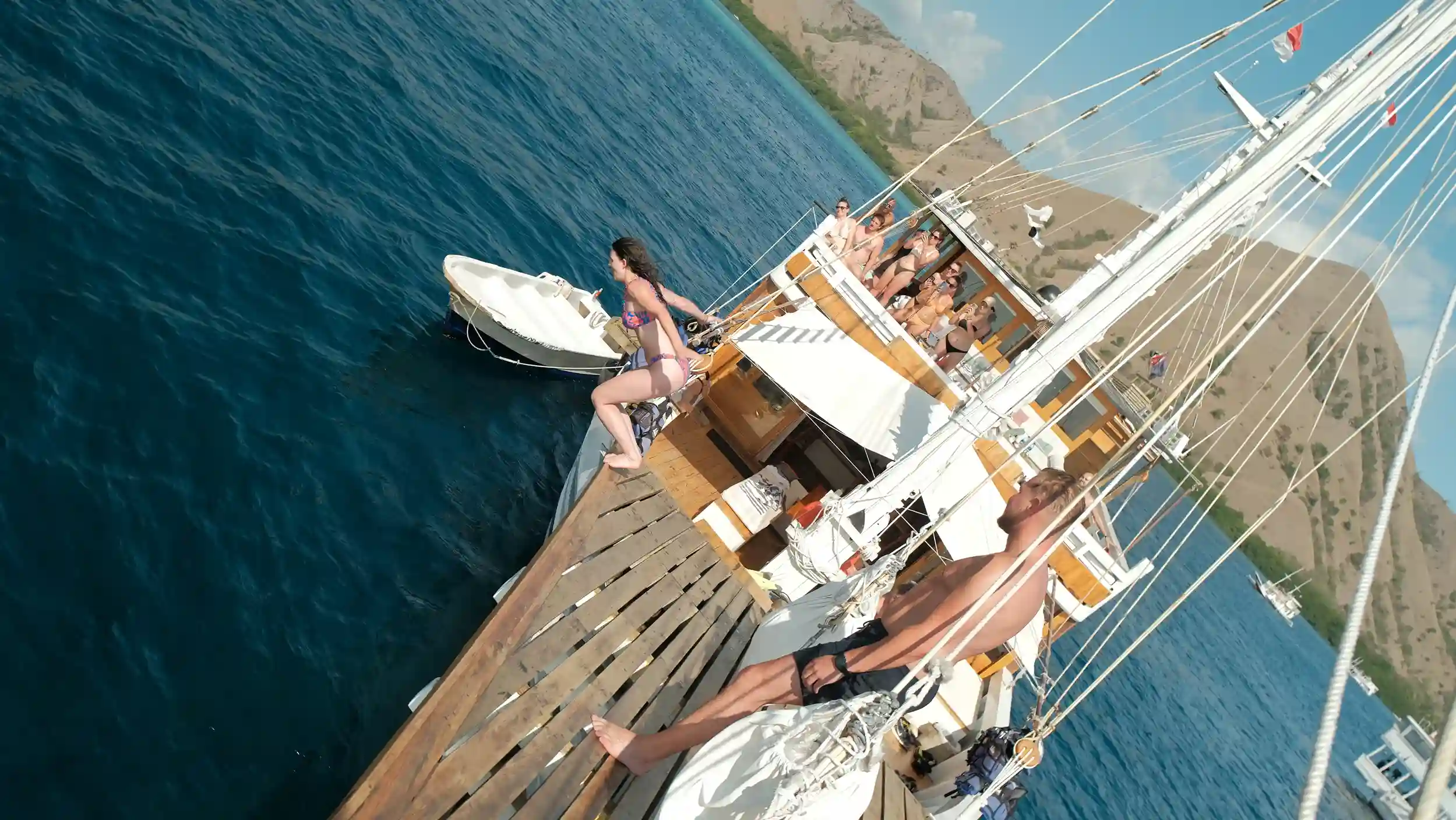
One Phinisi, 24 Guests: The 2027 Charter Math for Large Groups in Komodo
If you are looking for a Komodo phinisi for large groups, here is the direct answer: Aura Suci, a 30-metre…
Read more
Sail Komodo with Aura Suci
Eight en-suite cabins, every one with its own balcony, and a crew who read these tides daily.