
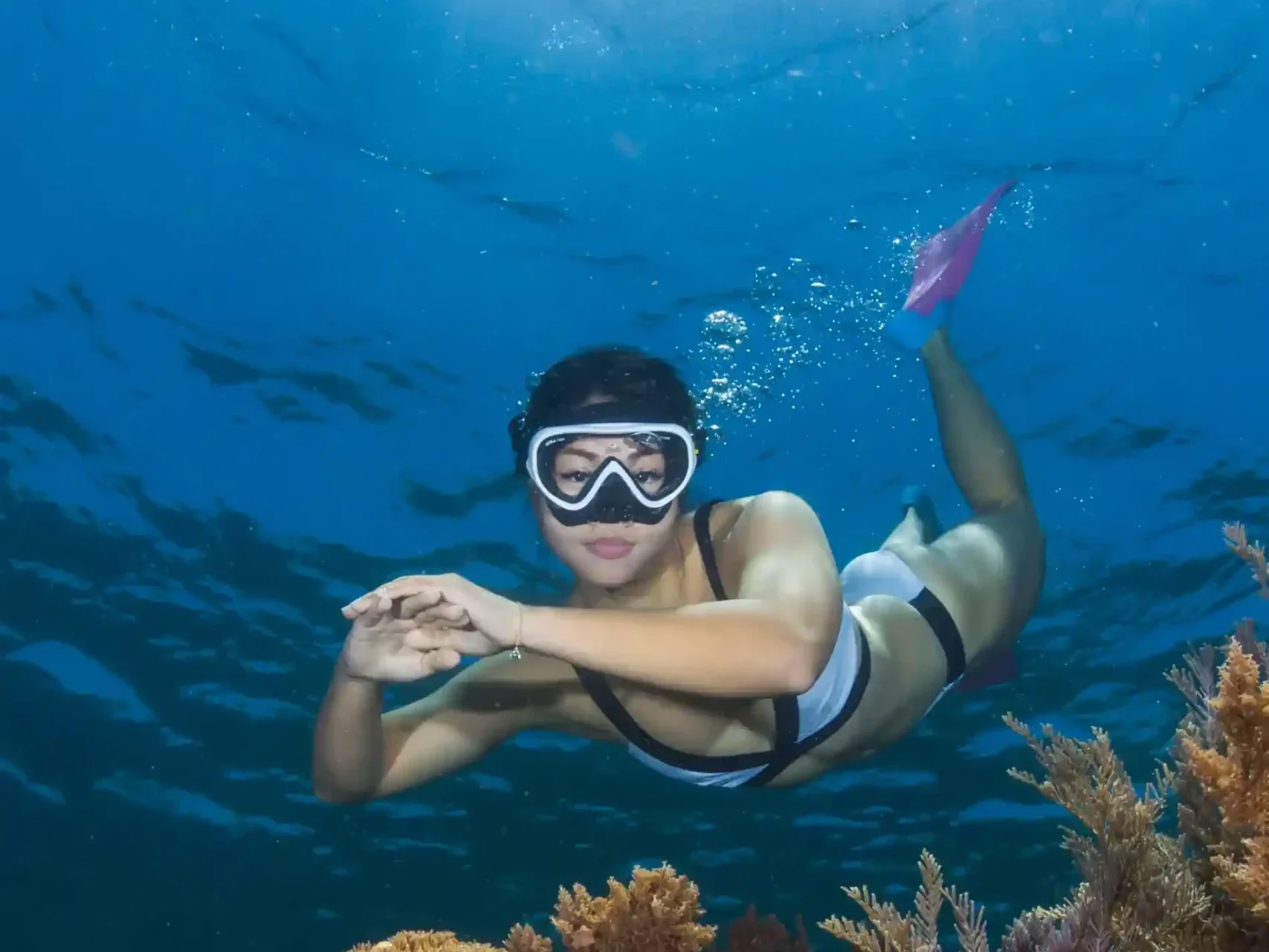
How Many Days to Dive Komodo? Choosing 3D2N vs 6D5N vs 8D7N in 2027
When planning a dive trip to Komodo with Aura Suci Liveaboard in 2027, you'll want to consider how many days to spend in this world-renowned marine destination. A 3D2N trip …
- Published 30 June 2026
- Read time 9 min
When planning a dive trip to Komodo with Aura Suci Liveaboard in 2027, you’ll want to consider how many days to spend in this world-renowned marine destination. A 3D2N trip offers a glimpse of the central sites, while 6D5N or 8D7N allows a more comprehensive exploration, including the north and south, ensuring a varied experience of Komodo’s underwater marvels.
Understanding the Komodo Diving Landscape
The Komodo National Park offers a diverse range of diving experiences, thanks to its unique geographical position straddling the Indian Ocean and the Pacific Ocean. This creates a dynamic underwater environment characterized by strong currents, nutrient-rich waters, and a lively marine ecosystem. Popular dive sites include Batu Bolong, famous for its dense fish biomass and frequent sightings of white-tip sharks, which is best dived at slack tide to avoid strong currents. Batu Bolong’s central pinnacle serves as a refuge for lively coral species and swarming anthias, making it a photographer’s region.
Further north, Castle Rock and Crystal Rock are known for thrilling dives with grey reef sharks and giant trevally. These sites require negative entries due to strong currents, making them suitable for advanced divers. Castle Rock’s submerged peak attracts schooling barracuda and sometimes dolphins, while Crystal Rock is noted for its colorful soft corals and occasional sightings of hammerhead sharks. Meanwhile, the central region features Karang Makassar or Manta Point, where divers can witness grand manta rays gliding through the cleaning stations. The site is famous for “manta trains,” where these grand creatures align in single file, a spectacle best observed from April to November.
The south offers unique experiences at Manta Alley and Cannibal Rock, known for cooler waters and fascinating macro life. Manta Alley, near the Indian Ocean, is a hotspot for observing large aggregations of manta rays, especially during the nutrient-rich upwellings of June to September. In contrast, Cannibal Rock in Nusa Kode is celebrated for its diverse macro life, including rare species like the pygmy seahorse, frogfish, and nudibranchs. The remarkable biodiversity here is bolstered by the cooler water temperatures, which range between 22-26°C, providing an ideal environment for unique marine creatures.
Choosing the Right Duration: 3D2N Overview
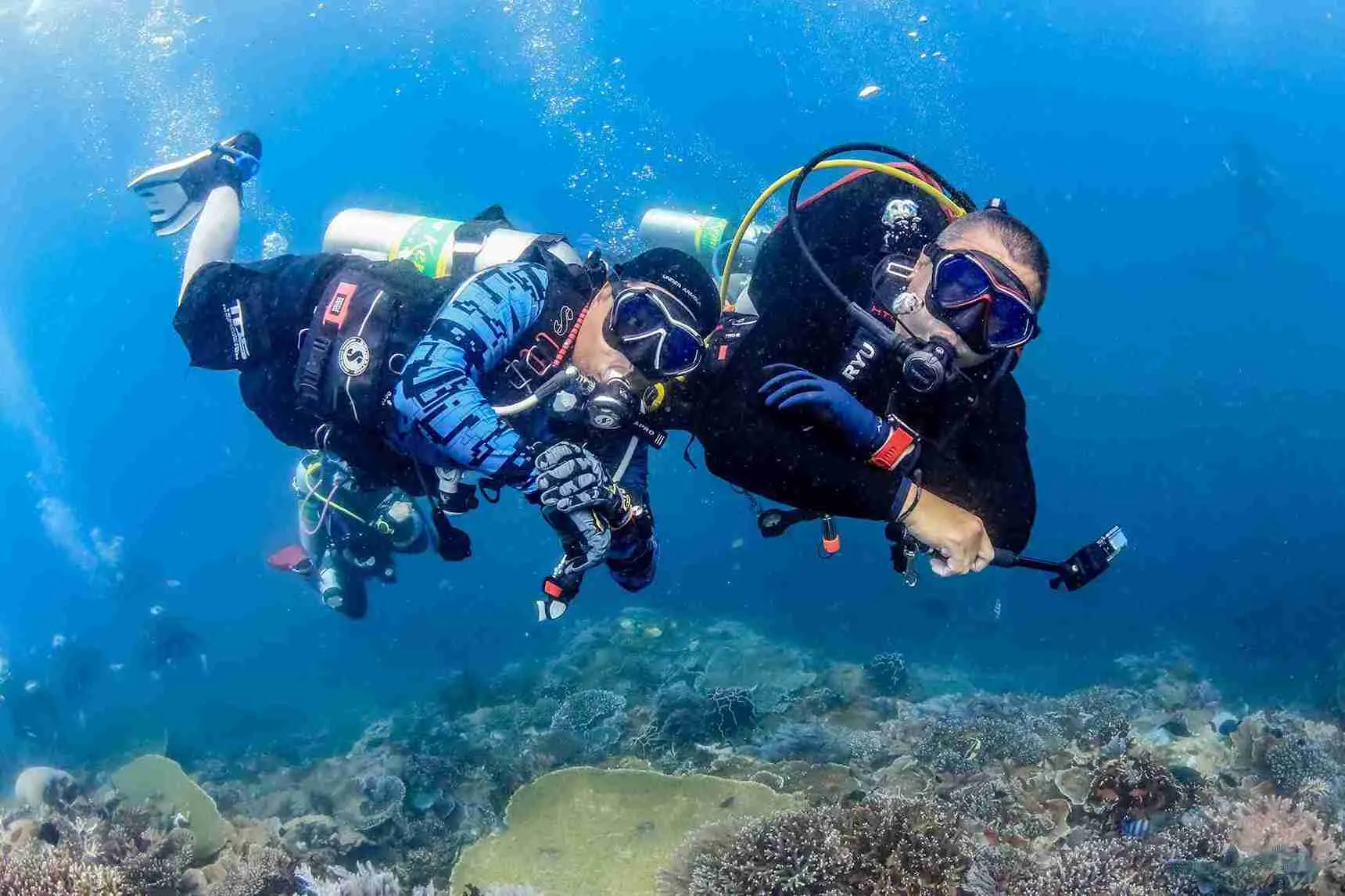
A 3D2N liveaboard trip with Aura Suci Liveaboard covers approximately 6-7 dives, primarily focusing on the central dive sites around Komodo. This duration is ideal for divers with limited time who wish to experience the beauty of the region. Expect to dive at sites like Batu Bolong or Karang Makassar, where encounters with lively coral gardens and schooling fish are common. These sites not only offer frequent sightings of reef fish but also the possibility of seeing eagle rays and black-tip reef sharks cruising by.
Each day typically includes a pre-breakfast dive, followed by morning and afternoon dives, and the possibility of a night dive depending on conditions. This schedule maximizes diving opportunities within the limited time frame. While a 3D2N trip won’t cover the entire park, it offers a taste of Komodo’s underwater magic. The compact itinerary allows divers to soak in the lively marine life along with a land excursion, possibly to Rinca Island to observe the famous Komodo dragons in their natural habitat.
Exploring More with 6D5N
The 6D5N option provides a more comprehensive exploration of Komodo’s diverse dive sites, allowing for 15-18 dives. This duration is considered the realistic minimum for divers aiming to experience both the north and central regions, with a possible excursion to the south to dive at Cannibal Rock or Manta Alley. Such an itinerary ensures exposure to both the adrenaline of strong currents and the serenity of muck diving.
During this trip, divers can expect to visit a mix of sites such as Castle Rock and Crystal Rock in the north, where the thrill of strong currents and pelagic sightings await. The itinerary typically includes a land excursion, offering a chance to trek and explore Komodo’s terrestrial wonders. This extended trip provides a balanced diving schedule that showcases the park’s marine diversity. Additionally, evenings may feature informative briefings and marine biology talks, deepening the understanding of the unique ecosystem.
Immersive Experience with 8D7N
For those with the desire and means for a full exploration, the 8D7N Grand Komodo trip offers 18-22+ dives, covering all key dive sites across the park. This extended duration allows for an exceptional experience, including multiple days spent in the south, where divers can marvel at the macro life around Cannibal Rock or swim with manta rays at Manta Alley. The comprehensive itinerary ensures that divers can witness the best of both worlds, from pelagic giants to intricate macro species.
The daily schedule remains flexible, with opportunities for night dives and additional excursions. The extended trip ensures that divers can witness the full range of Komodo’s marine life across different conditions and water temperatures, from the warm waters in the north to the cooler, nutrient-rich currents in the south. Divers can also participate in conservation activities, such as reef monitoring, contributing to the preservation of this UNESCO World Heritage Site.
Seasonal Considerations for Diving Komodo
Diving conditions in Komodo vary significantly with the seasons. The best time to dive in the north and central regions is from April to November, when the weather is driest, and currents are strongest, particularly from July to September. During this period, visibility ranges from 15-30 meters, offering optimal conditions for underwater photography and exploration. These months provide the perfect opportunity to capture the surreal undersea landscapes and abundant marine life on camera.
Conversely, the south sees its peak season for macro and manta ray encounters from June to September, thanks to the cooler waters and nutrient-rich upwellings from the Indian Ocean. Water temperatures in the south range from 22-26°C, with thermoclines and limited visibility of 10-20 meters. The unique environmental conditions during these months attract a plethora of marine life, making it a prime time for divers interested in observing the intricate behaviors of Komodo’s marine inhabitants. The shoulder season from December to March focuses on more sheltered central sites due to weather conditions affecting the south, offering calmer waters and a focus on leisure diving and snorkeling.
Pricing and Planning Your Komodo Dive Trip
When planning your Komodo diving experience with Aura Suci Liveaboard, budget considerations are important. In 2027, prices for shared cabin accommodations on a liveaboard range from approximately USD 160-250 per day for budget phinisi options, translating to IDR 2.6-4.1M. Mid-range options cost around USD 250-400 per day, or IDR 4.1-6.6M, while luxury or boutique trips can exceed USD 450-800 per day, or IDR 7.4-13.2M. This range allows divers to choose a package that matches their financial and comfort preferences, ensuring a personalized experience.
These price bands reflect the level of comfort and service provided, from basic accommodations to more luxurious settings with enhanced amenities. Regardless of budget, all trips aim to provide a rich diving experience, with attentive service and expert guidance from knowledgeable dive guides. Additional costs may include national park fees and equipment rental, so planning ahead is key to fully enjoying the adventure without any surprises.
Embracing the Komodo Experience: Beyond Diving
While diving is the primary draw of Komodo National Park, there is much more to explore beyond its underwater treasures. The park’s islands, like Rinca and Komodo, offer a chance to trek among the legendary Komodo dragons, the world’s largest lizards. These treks usually occur during the cooler morning or late afternoon hours when the dragons are most active.
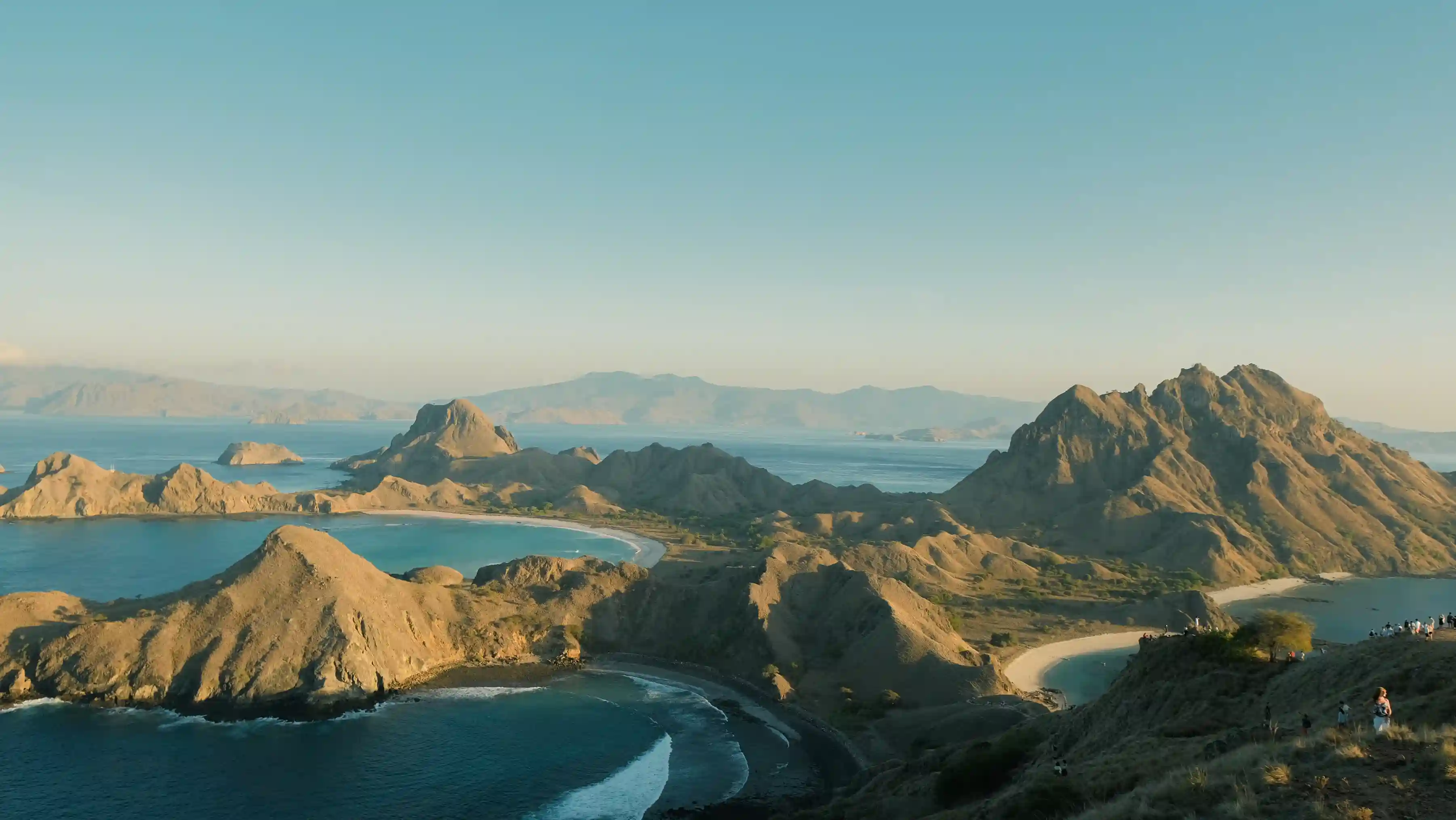
Visitors can also enjoy in the natural beauty of Komodo by taking a sunset trek on Padar Island, offering remarkable panoramic views of the surrounding deep blue waters and rugged landscapes. The islands’ notable beaches, such as the famous Pink Beach, are perfect for a relaxing day of snorkeling and sunbathing. The Komodo area is a haven for those seeking both adventure and tranquility, with its striking natural beauty offering the perfect backdrop for a truly memorable trip.
FAQs
Q? How do I choose between a 3D2N and an 8D7N trip?
A: Consider your available time, budget, and what you wish to experience. A 3D2N trip offers a quick central Komodo, while an 8D7N trip provides a comprehensive exploration of all major dive sites, including more remote locations.
Q? What level of diving experience is required for these trips?
A: While some sites are suitable for beginners, many require advanced skills due to strong currents. It’s recommended to have a minimum of Advanced Open Water certification for the best experience, especially for northern and southern sites.
Q? Are there specific highlights I shouldn’t miss?
A: Don’t miss diving at Batu Bolong for its fish density and Karang Makassar for manta rays. For adventurous divers, Castle Rock and Crystal Rock offer thrilling dives with large pelagics, while the south provides unique macro experiences at sites like Cannibal Rock.
For wider arrangements, our partner labuanbajoluxury can coordinate end to end.
See also: Komodo Dragons Up Close: Rinca vs Komodo Island for Trekking in 2027, What a Komodo Liveaboard Day Really Looks Like: A 2027 Hour-by-Hour Guide · Home.
Related reading
Send your dates and we will come back with live cabin availability on Aura Suci.
From the journal
More reading

Komodo Open Trip 3D2N vs Private Wellness Charter (2026)
For wellness-minded travellers, the decision usually comes down to privacy versus price. A Komodo open trip 3D2N with shared cabins…
Read more
Every Cabin With a Private Balcony: Why That Is Rare on a 30m Komodo Phinisi
Every cabin on Aura Suci opens onto its own private balcony — and on a 30-metre wooden phinisi, that is…
Read more
One Phinisi, 24 Guests: The 2027 Charter Math for Large Groups in Komodo
If you are looking for a Komodo phinisi for large groups, here is the direct answer: Aura Suci, a 30-metre…
Read more
Sail Komodo with Aura Suci
Eight en-suite cabins, every one with its own balcony, and a crew who read these tides daily.