
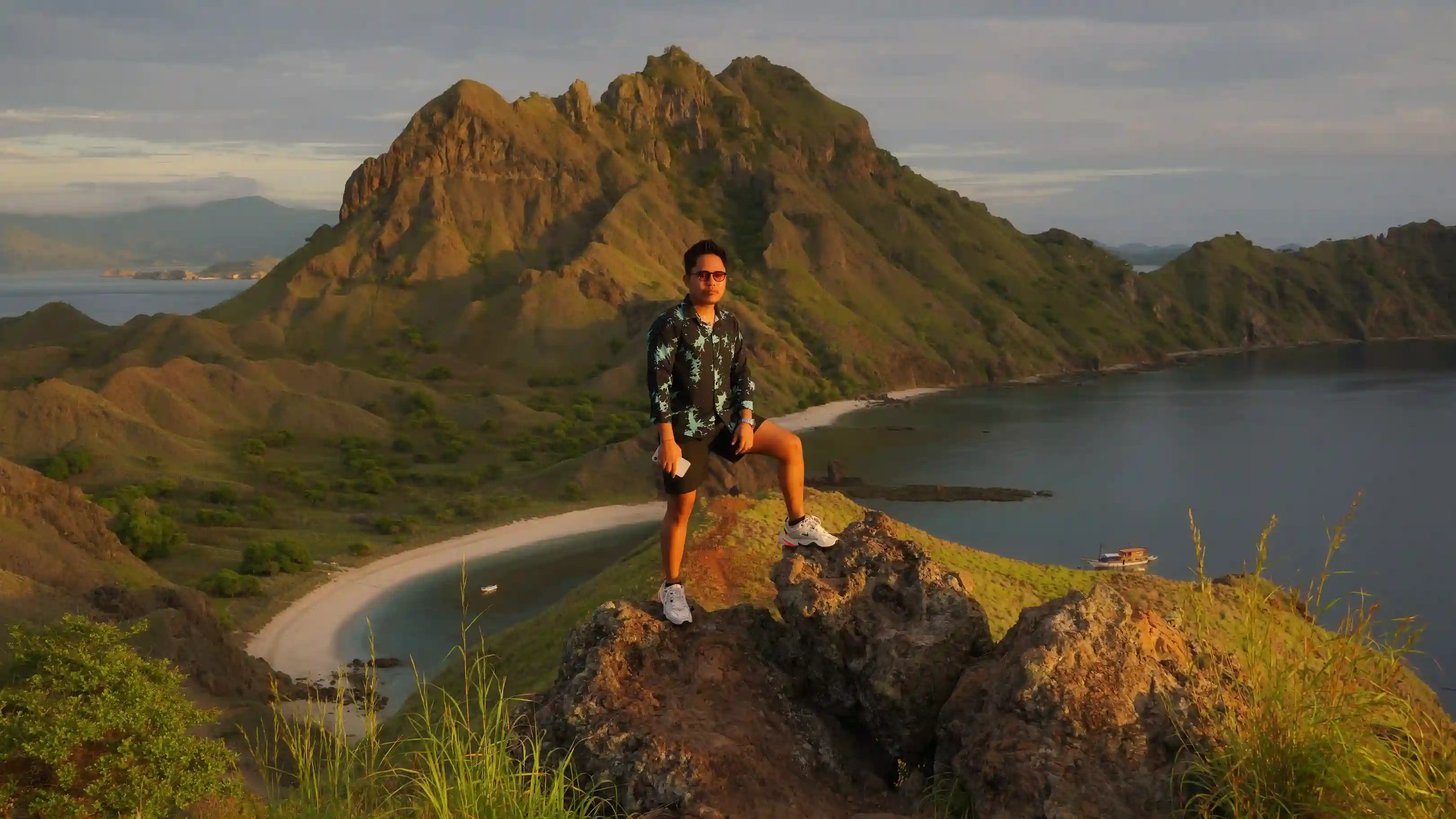
Padar Island Sunrise Hike: The 2027 Komodo Cruise Photo Stop Explained
Experience the awe of a Padar Island sunrise hike during your 2027 Komodo cruise with Aura Suci Liveaboard. Discover why this photo stop is a favorite among travelers, offering a …
- Published 30 June 2026
- Read time 8 min
Experience the awe of a Padar Island sunrise hike during your 2027 Komodo cruise with Aura Suci Liveaboard. Discover why this photo stop is a favorite among travelers, offering a unique blend of adventure, natural beauty, and a perfect backdrop for memorable memories.
Introduction to Padar Island
Padar Island, part of the Komodo National Park in Indonesia, is renowned for its dramatic landscapes and panoramic views. The island is the third largest in the park and is situated between Komodo and Rinca Islands. Despite its relatively small size, Padar Island offers one of the most iconic viewpoints in all of Indonesia.
The island is uninhabited, which adds a layer of untouched beauty, attracting nature enthusiasts and photographers alike. A hike to the top of Padar Island at sunrise is a must-do activity for those aboard the Aura Suci Liveaboard. The journey to the summit is both challenging and rewarding, offering an exceptional view of the surrounding turquoise seas and rugged island contours.
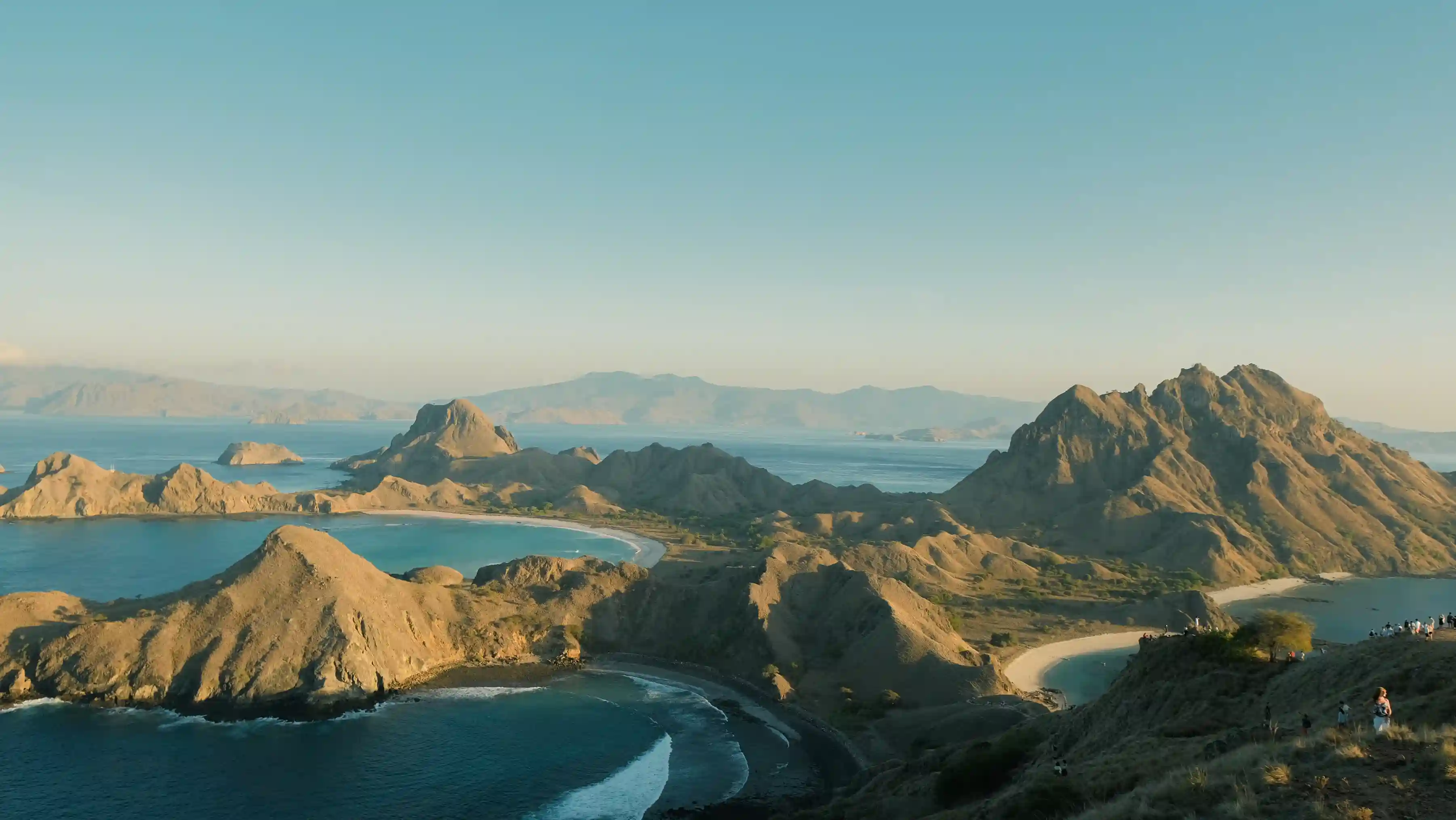
Padar Island’s unique geological formations include rugged hills and deep bays, which create a dramatic backdrop for sunrise. Each beach on the island—white, black, and pink—offers a distinct geological story, shaped by volcanic activity and coral fragments over millennia. The island’s remoteness and protected status ensure that its notable conditions remain largely untouched by human interference.
The Sunrise Hike Experience
The sunrise hike on Padar Island typically begins in the early morning hours, well before the first light breaks. The hike is moderately challenging, with a well-trodden path that ascends to the summit. The trail, while steep in parts, is manageable for most fitness levels and takes about 30 to 45 minutes to complete.
As you ascend, the cool morning air and the gradual lightening of the sky create a serene atmosphere. Reaching the summit at dawn, you are greeted by a spectacular view, as the first rays of sunlight illuminate the island’s distinctive three separated beach coves, each with different colored sand—white, black, and pink.
The hike offers more than just a striking view; it’s a journey through diverse flora and fauna. Along the path, you’ll encounter rare plants adapted to the island’s arid conditions and occasionally spot wildlife such as deer or tropical birds. The early start ensures a peaceful experience, with the island’s natural sounds creating a harmonious backdrop to your ascent.
Photography Tips for Sunrise
Photographers on the Padar Island hike are treated to some of the most striking natural light conditions. The best time to capture the perfect sunrise shot is just as the sun peeks over the horizon, casting warm hues across the landscape. It’s advisable to carry a tripod for stability and to experiment with different exposure settings to capture the full range of colors and shadows.
Incorporating the island’s unique topography in your shots can add depth and interest. The contrast between the rugged terrain and the soft morning light offers a dynamic range of compositions. Whether using a professional camera or a smartphone, ensure you have enough battery and memory, as the opportunities are plentiful.
Consider using a polarizing filter to reduce glare from the water and enhance the sky’s vibrancy. Wide-angle lenses can capture the expansive landscape, while a zoom lens might help detail the island’s unique features. The play of light and shadow on the hills provides endless creative possibilities for capturing the essence of this extraordinary location.
Beyond the Hike: Komodo National Park Diving
After your Padar Island adventure, the underwater marvels of Komodo National Park. Known for its rich marine biodiversity, the park offers dive sites like Batu Bolong, where you can encounter dense schools of fish and white-tip sharks. This site is best dived during slack tide to maximize visibility and safety.
For more experienced divers, Castle Rock and Crystal Rock provide thrilling encounters with grey reef sharks and giant trevally. These sites require negative entries and are known for their strong currents, making them ideal for drift diving. The diversity of marine life and the lively coral reefs make every dive in Komodo an exhilarating experience.
Other notable sites include Karang Makassar, famously known as Manta Point, where divers can witness manta ray cleaning stations and experience the spectacle of manta trains. Meanwhile, Manta Alley in the southern part of Komodo is a hotspot for manta ray aggregations, particularly during the cooler months when nutrient-rich waters attract these gentle giants in large numbers. The varied diving environments ensure that every dive site offers a unique adventure.
Dive Trip Itineraries and Pricing
Aura Suci Liveaboard offers a range of itineraries to suit different interests and schedules. A 3D2N trip includes around 6-7 dives focusing on central sites, while a 4D3N itinerary covers about 9-11 dives. For a comprehensive experience combining north, central, and a day at Cannibal Rock or Manta Alley, a 6D5N trip with 15-18 dives is recommended.
Pricing varies with the level of luxury desired. Budget phinisi options range from USD 160-250 per day, while mid-range liveaboards cost approximately USD 250-400 daily. For those seeking more comfort and personalized service, luxury or boutique cruises are available at USD 450-800+ per day. These prices reflect the unique experiences and diverse activities available on board.
The 7D6N or 8D7N itineraries offer a complete Grand Komodo experience with 18-22+ dives, allowing exploration of the park’s diverse environments. The daily schedule typically includes pre-breakfast dives, followed by 3-4 dives or snorkel excursions, and optional night dives. A sunset trek or land stop provides a perfect complement to diving activities, ensuring a balanced and immersive itinerary for all guests.
Best Times and Conditions for Travel
The ideal season to visit Komodo’s north and central regions is April through November, with the driest months and strongest currents from July to September. This period offers optimal conditions for both diving and land excursions. During this time, water temperatures in the north and central areas range from 27-29°C with excellent visibility.
For those interested in observing manta rays and engaging in muck diving, the southern parts of Komodo are best explored from June to September. The cooler waters from Indian Ocean upwellings, with temperatures between 22-26°C, attract large aggregations of mantas particularly at Manta Alley. The varied conditions throughout the year provide something for every adventurer.
While manta rays are present year-round at sites like Karang Makassar, their peak aggregation in the south occurs during the cooler months due to nutrient upwellings. The park’s diverse climate and marine conditions ensure that each season offers distinct experiences, whether you’re looking for challenging currents or tranquil bays.
Essential Equipment and Preparation for Your Dive Adventure
When preparing for a dive trip in Komodo National Park, it’s crucial to consider the variable conditions and ensure you have the right equipment. A well-fitted wetsuit is essential, with a thickness of 3mm recommended for the north and central regions, while a 5mm wetsuit might be needed for the cooler southern waters.
Divers should also invest in a reliable dive computer and surface marker buoy for safety, given the strong currents experienced at many sites. A reef hook can be particularly useful at sites like Castle Rock and Crystal Rock to maintain a stable position while observing marine life.
Consider bringing a dive torch for exploring lively coral crevices and for night dives, which reveal a different aspect of Komodo’s underwater world. Ensuring your gear is in optimal condition enhances both safety and enjoyment, allowing you to fully appreciate the underwater wonders of the national park.
FAQs
Q? What should I bring for the Padar Island sunrise hike? A: It’s advisable to wear comfortable hiking shoes, carry a water bottle, and bring a camera. A flashlight can be useful for the early morning start.
Q? Are the dive sites suitable for beginners? A: While some sites like Batu Bolong offer conditions suitable for intermediate divers, others such as Castle Rock are better suited for experienced divers due to strong currents.
Q? Can I see manta rays year-round? A: Yes, manta rays are present year-round at Karang Makassar, but the highest concentration occurs from June to September in the southern regions.
For wider arrangements, our partner labuanbajoluxury can coordinate end to end.
See also: What a Komodo Liveaboard Day Really Looks Like: A 2027 Hour-by-Hour Guide, How Many Days to Dive Komodo? Choosing 3D2N vs 6D5N vs 8D7N in 2027 · Home.
Related reading
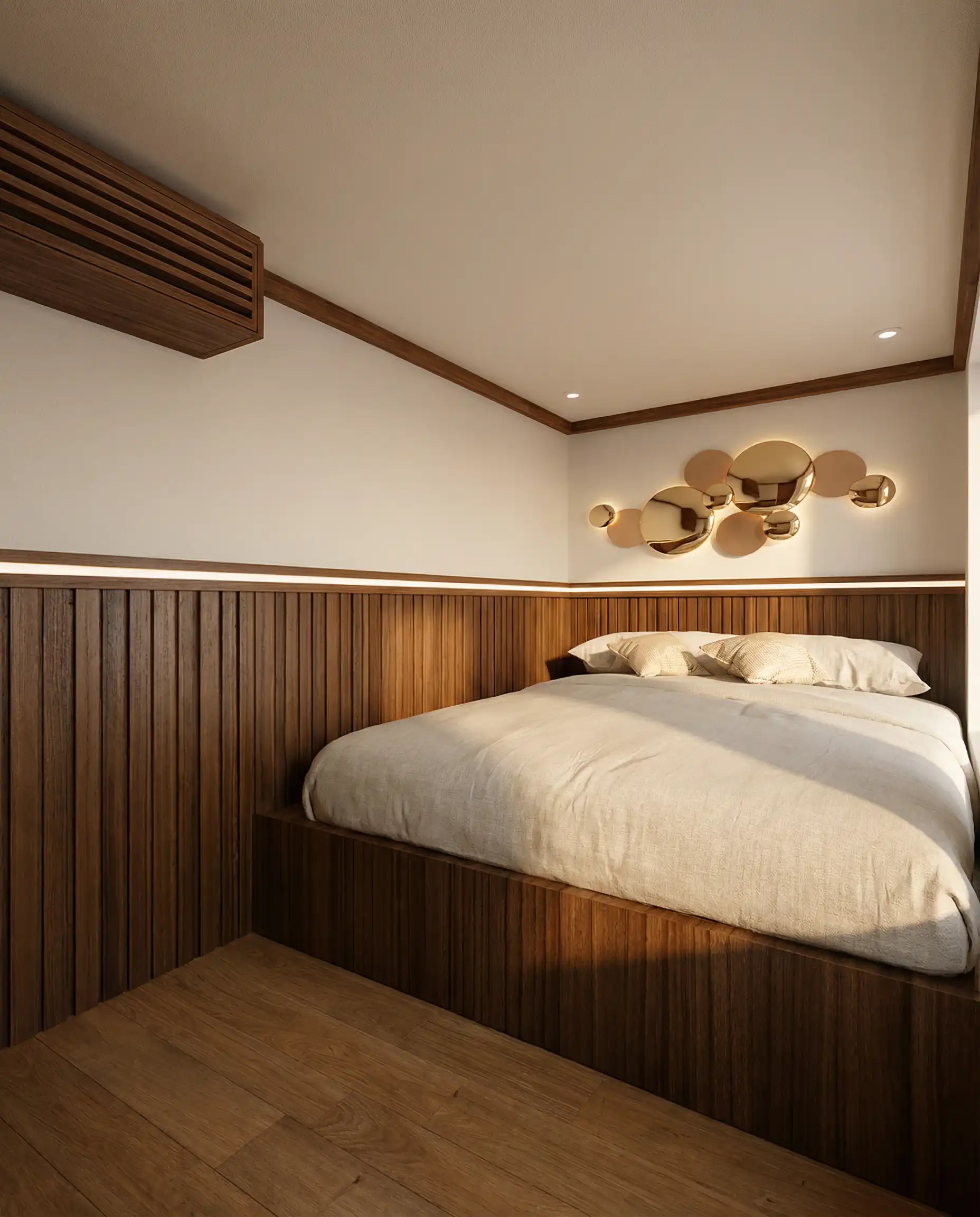
Send your dates and we will come back with live cabin availability on Aura Suci.
From the journal
More reading

Komodo Open Trip 3D2N vs Private Wellness Charter (2026)
For wellness-minded travellers, the decision usually comes down to privacy versus price. A Komodo open trip 3D2N with shared cabins…
Read more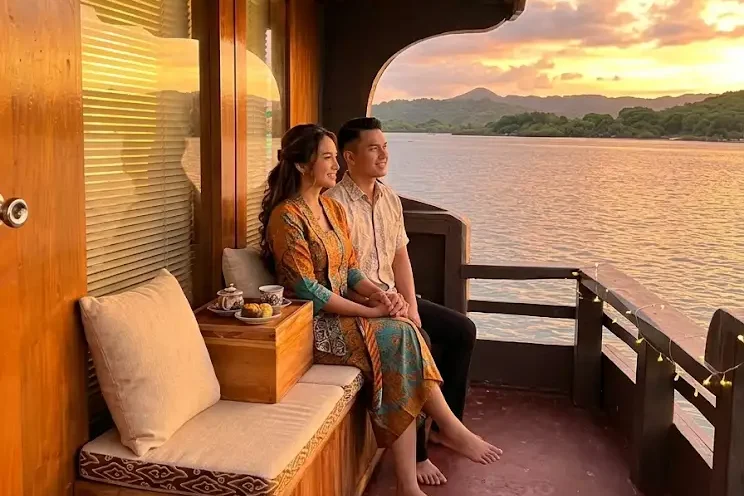
Every Cabin With a Private Balcony: Why That Is Rare on a 30m Komodo Phinisi
Every cabin on Aura Suci opens onto its own private balcony — and on a 30-metre wooden phinisi, that is…
Read more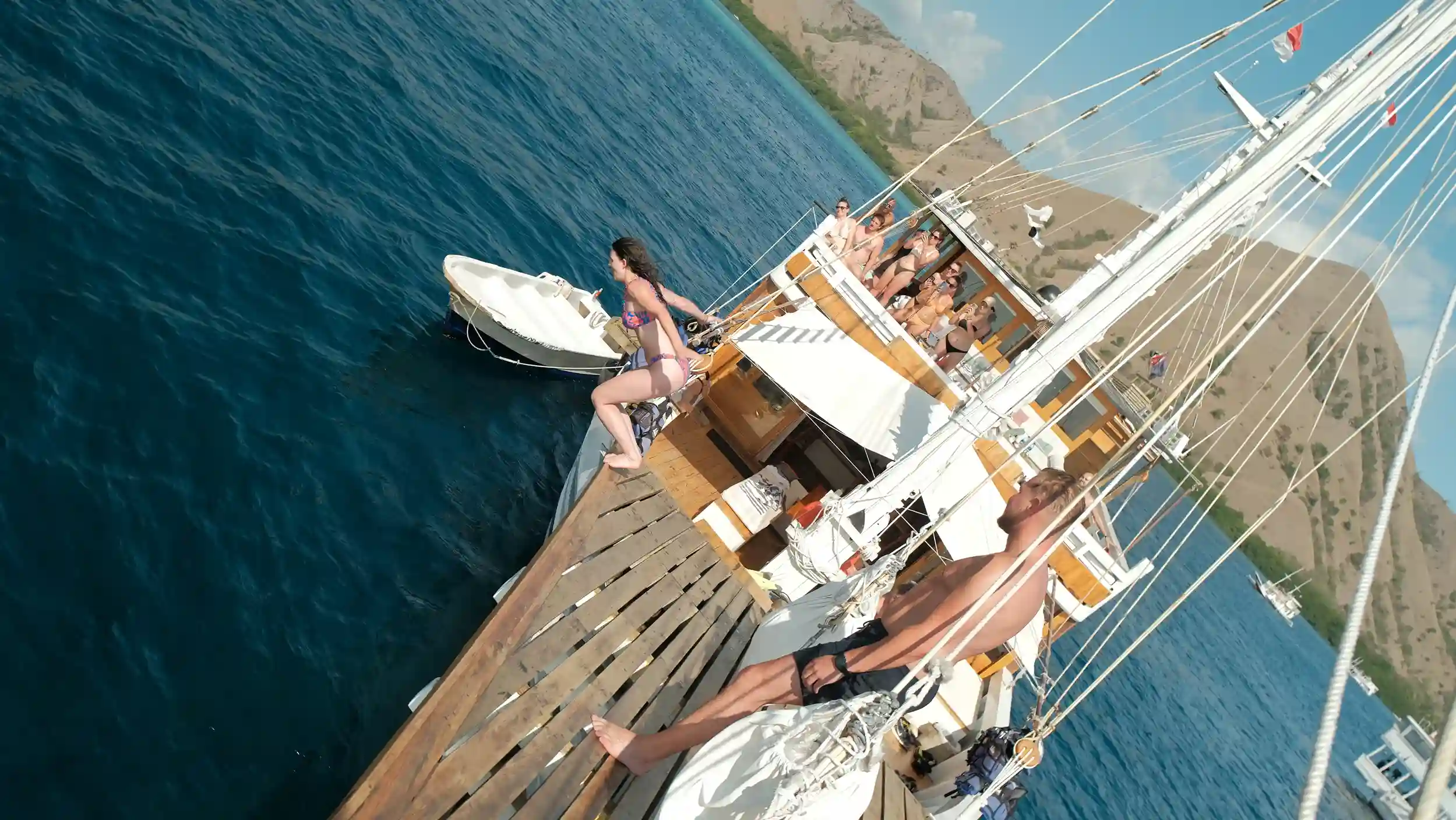
One Phinisi, 24 Guests: The 2027 Charter Math for Large Groups in Komodo
If you are looking for a Komodo phinisi for large groups, here is the direct answer: Aura Suci, a 30-metre…
Read more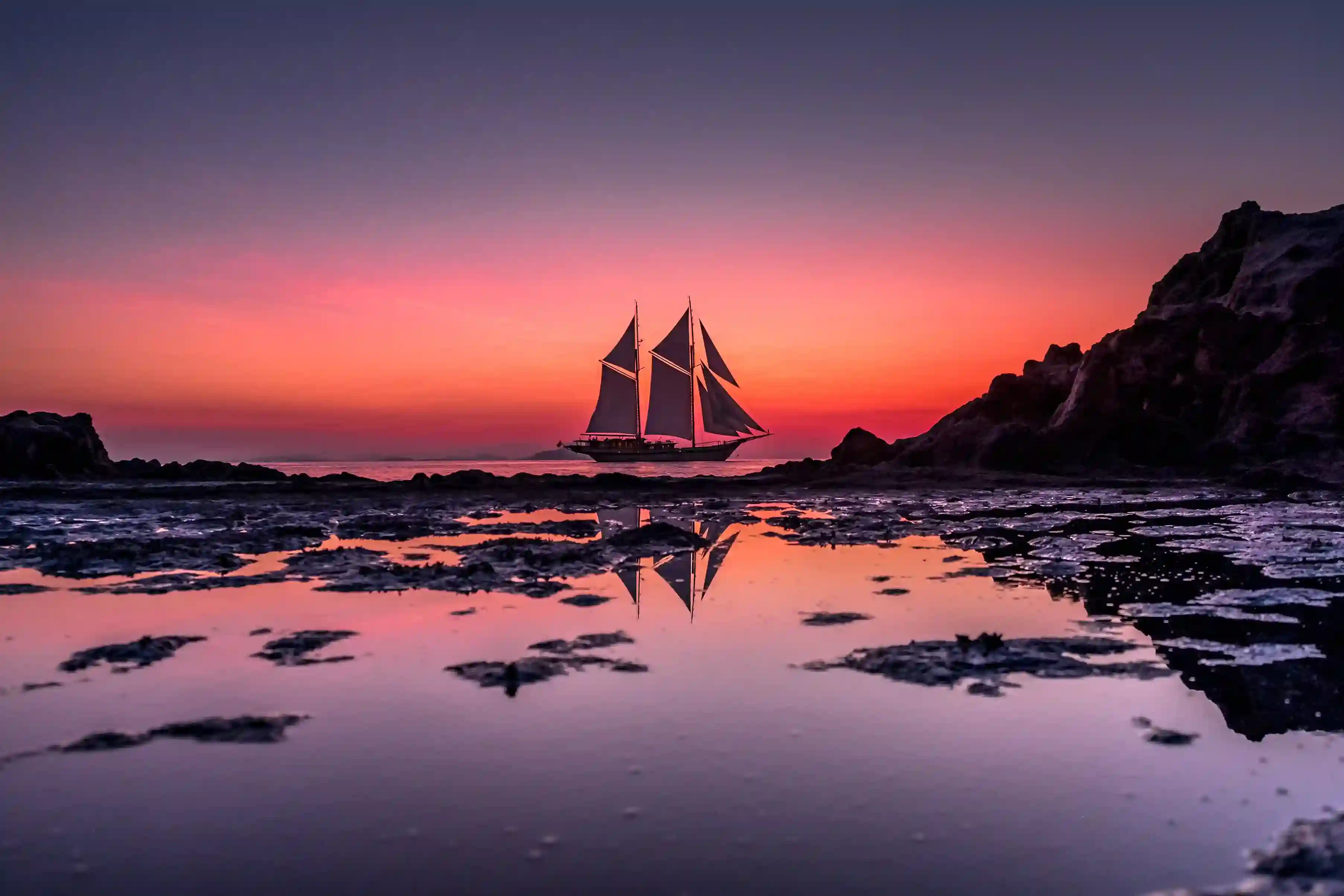
Sail Komodo with Aura Suci
Eight en-suite cabins, every one with its own balcony, and a crew who read these tides daily.